Wholesale High Quality Engine Rocker Arms CG125 Suppliers, Exporters

Product Description

Automotive Rocker Arm Overview

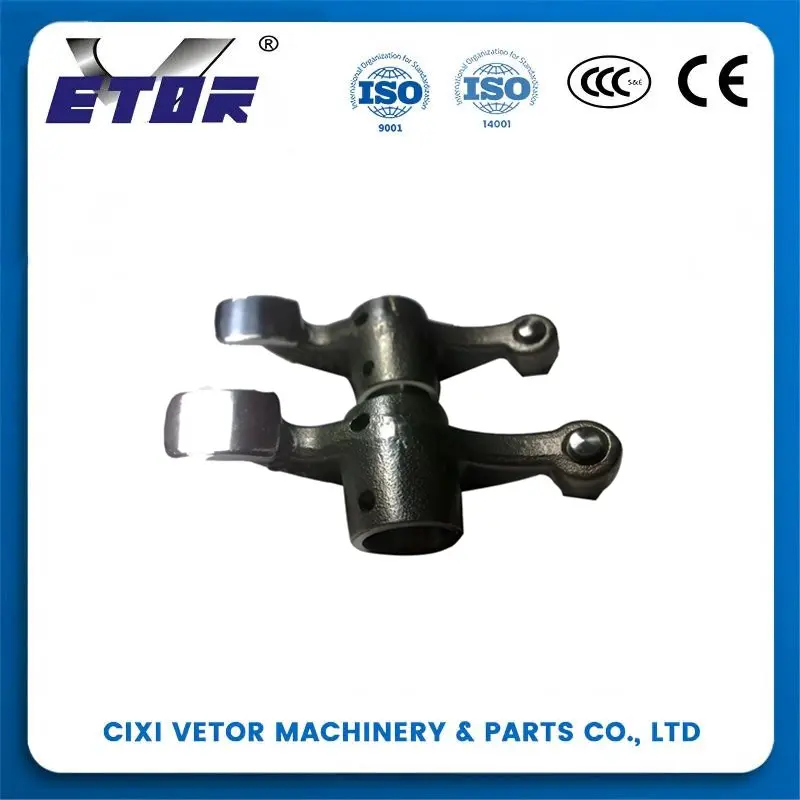
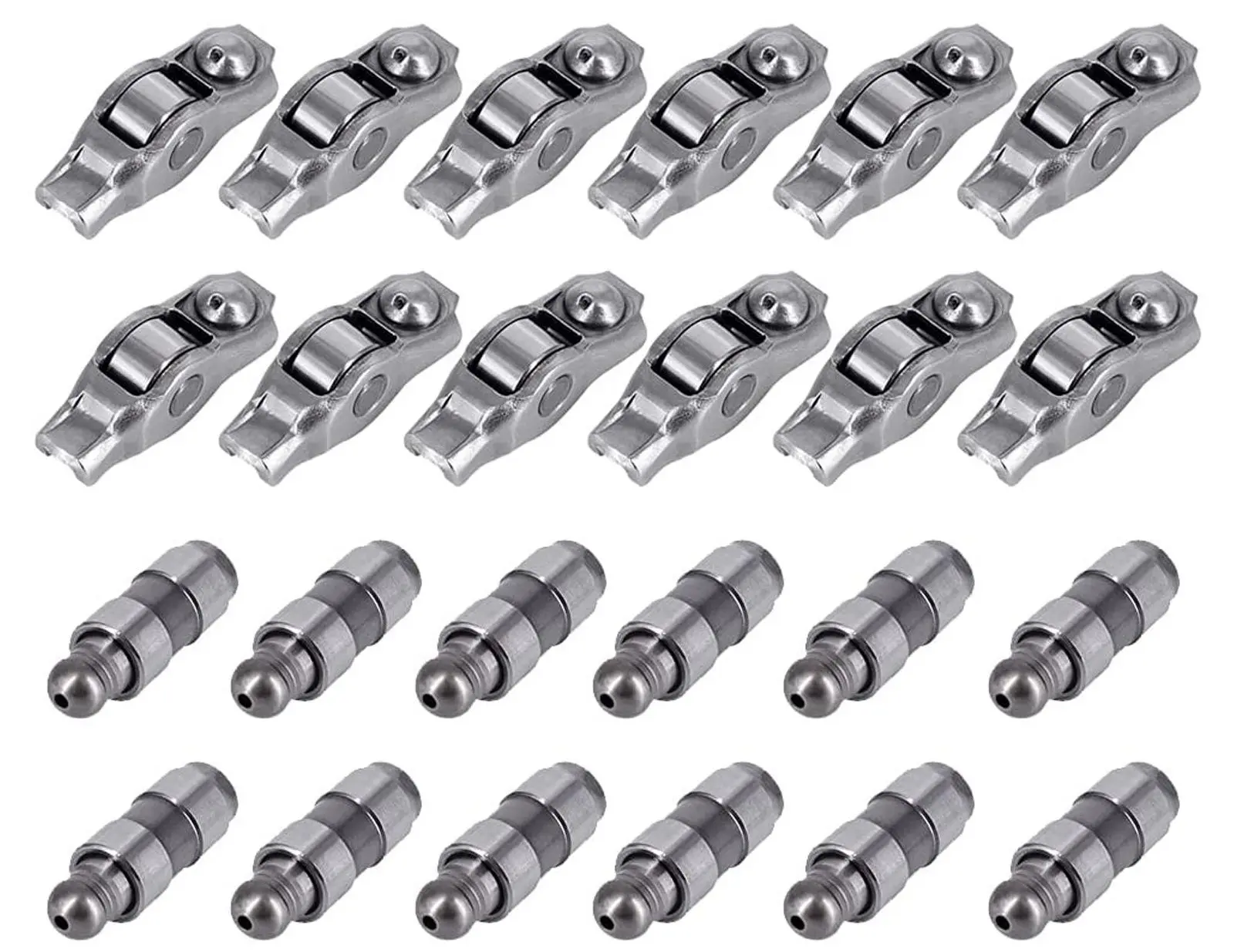
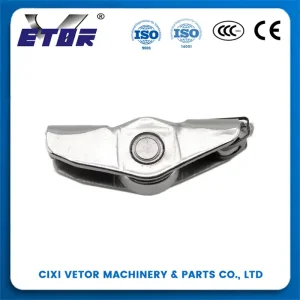
The automotive rocker arm is a key component in the engine's valve train, acting as a pivoting lever. It transmits the motion from the camshaft (via pushrods or directly) to open and close the engine's intake and exhaust valves, ensuring precise timing of air-fuel intake and exhaust gas discharge, which is vital for engine efficiency and performance.
High-Quality-Engine-Rocker-Arms-3

Automotive Rocker Arm Features

1. High Rigidity
Made of materials like forged aluminum alloy or cast iron, it resists deformation under repeated mechanical loads, maintaining stable valve actuation.
2. Precision Pivoting
Features a well-machined fulcrum (e.g., roller bearings or bushings) to minimize friction, ensuring smooth rotation and reducing wear during high-speed engine operation.
3. Lightweight Design
Aluminum alloy variants reduce overall valve train mass, lowering inertial forces and allowing the engine to operate at higher RPMs without valve float.

Automotive Rocker Arm Applications

  • Used in gasoline engines of passenger cars and hatchbacks, enabling precise valve control to optimize fuel efficiency for daily urban driving.
  • Applied in diesel engines of light trucks, with durable structures to withstand higher combustion pressures, supporting load-carrying tasks in logistics.
  • Employed in high-performance sports car engines, using lightweight, high-strength designs to handle high RPMs and deliver responsive power output.
  • Integrated into heavy-duty commercial vehicle engines (e.g., buses, semi-trailers), ensuring reliable valve operation under long-term, high-load working conditions.
  • Utilized in small-displacement utility vehicle engines (e.g., mini-vans, off-road buggies), balancing cost-effectiveness and durability for multi-scenario use.

Frequently Asked Questions

What is the primary function of an automotive rocker arm?
The rocker arm acts as a pivoting lever that transmits motion from the camshaft to open and close the engine's intake and exhaust valves, maintaining accurate valve timing necessary for optimal engine performance.
Why is rigidity important for a rocker arm?
High rigidity ensures that the rocker arm does not deform under constant mechanical stress, maintaining stable and reliable valve actuation during operation.
How does a precision pivoting design benefit the engine's valve train?
By utilizing precision bearings or bushings at the fulcrum, the rocker arm minimizes friction. This reduces internal wear and ensures smooth movement, especially during high-speed engine cycles.
What are the advantages of using lightweight aluminum alloy rocker arms?
Lightweight aluminum variants reduce overall valve train inertia. This enables the engine to operate efficiently at higher RPMs without suffering from valve float.
In what types of vehicles are these rocker arms typically applied?
They are used extensively across various segments, including passenger gasoline cars, logistics light trucks (diesel), high-speed sports cars, heavy-duty commercial vehicles (buses and semi-trailers), and utility vehicles.

Related Products