High-precision tapered bore components optimized for rapid maintenance cycles and minimal downtime under demanding operational conditions.
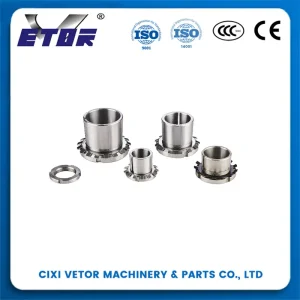
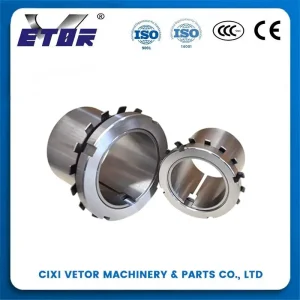
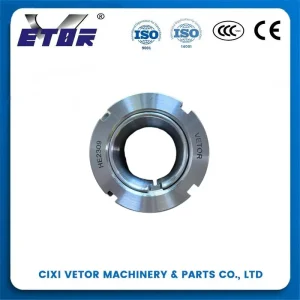
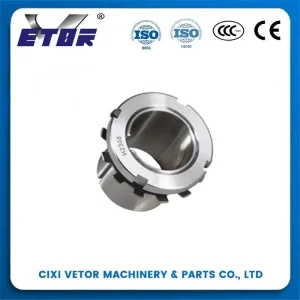
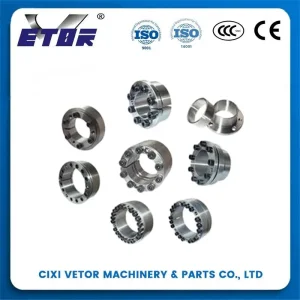
In modern mechanical engineering, the structural stability of rotating assemblies is paramount. Adapter sleeves represent one of the most critical elements in securing tapered-bore bearings onto plain or stepped cylindrical shafts. By transforming complex interference fits into manageable mechanical clamp operations, adapter sleeves minimize shaft damage, facilitate swift field installations, and ensure concentric alignment.
As Morocco positions itself as a premier industrial and logistics hub connecting Africa and Europe, the demand for high-reliability components is surging. The country’s industrial acceleration requires mechanical power transmission components that can withstand extreme environmental challenges—from the highly abrasive dust of phosphate mining zones to the humid, saline marine environments of coastal shipping hubs like Tanger-Med.
Morocco's economy is undergoing a massive structural transformation, guided by robust public infrastructure investments and specialized economic free zones. In analyzing the operational challenges faced by Moroccan industrial operations, we identify four critical sectors where bearing adapter sleeves play an indispensable role:
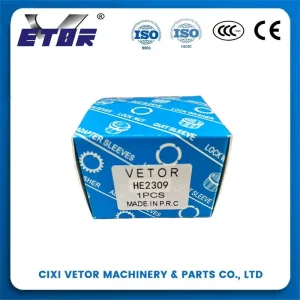
Morocco holds over 70% of the world’s phosphate reserves. Processing facilities at Jorf Lasfar and mining extraction sites at Khouribga, Benguerir, and Youssoufia require massive material handling machinery. Heavy-duty conveyor belts, drum pulleys, vibrating screens, and industrial crushers run continuously. In these environments, fine phosphate dust acts as a highly destructive abrasive. Standard bearing mounts often fail due to contaminant ingress or shaft slip. Precision adapter sleeves like the H2310 and H2309 provide the precise gripping force needed to prevent axial slippage under heavy vibrations and dust load.
With major construction projects spanning from Casablanca to Dakhla, cement plants operated by industry giants such as LafargeHolcim Maroc and Ciment du Maroc are running at maximum capacity. Rotary kilns, raw mills, and ball mill machinery require large-diameter bearings mounted securely via specialized adapter sleeves. The thermal expansion cycles in cement kilns demand sleeves made of high-tensile carbon steel with flawless thread profiles to prevent loosening over extended run periods.
The Tanger-Med port complex, the largest container port in the Mediterranean and Africa, relies on complex harbor cranes, portal loaders, and automated sorting conveyors. Coastal operations are constantly exposed to high humidity and salt spray, leading to galvanic corrosion. Supply lines in Tangier necessitate adapter sleeves with specialized corrosion-resistant surface coatings (phosphated or zinc-plated finishes) to avoid structural binding and permit easy removal during routine maintenance schedules.
The Kenitra and Tangier automotive manufacturing clusters produce hundreds of thousands of passenger vehicles annually. High-speed, high-precision assembly lines require EMQ (Electric Motor Quality) grade bearings and tight-tolerance adapter sleeves (such as H2303 and H2305) to ensure low vibration and high accuracy across automated robotic systems.
When standard cylindrical shaft mounting faces extreme structural constraints, engineering teams must decide between stepped shafts with threaded locknuts or smooth plain shafts with adapter sleeves. The adapter sleeve approach offers massive macroeconomic benefits:
Utilizing smooth hot-rolled or cold-drawn round bars simplifies raw material procurement. You don't need complex, expensive lathe-turning, grinding, and threading on long, heavy shafts. This saves significant manufacturing hours and reduces tooling wear in workshops.
Threaded shaft steps create natural notches that act as stress concentration areas, making the shaft vulnerable to fatigue cracking under cyclic bending stress. By utilizing a plain shaft with a tapered adapter sleeve, the stress distribution remains uniform, dramatically extending the mechanical lifespan of the main driveshaft.

The adapter sleeve relies on radial compression. As the sleeve is drawn into the tapered bore of the bearing (typically 1:12 taper for standard series, or 1:30 for wider series), it collapses elastically to clamp the shaft. The torque transmission capacity is highly dependent on the coefficient of friction and the axial tightening pressure. Properly calculated drive-up distances prevent bearing internal clearance reduction beyond design specs, eliminating heat build-up and premature bearing seizure.
Industrial buyers in Morocco face a common dilemma: sourcing locally from general distributors at inflated prices, or buying directly from global manufacturers with potential logistics headaches. VETOR GROUP bridges this gap by integrating comprehensive Chinese manufacturing efficiency with localized Moroccan support networks.
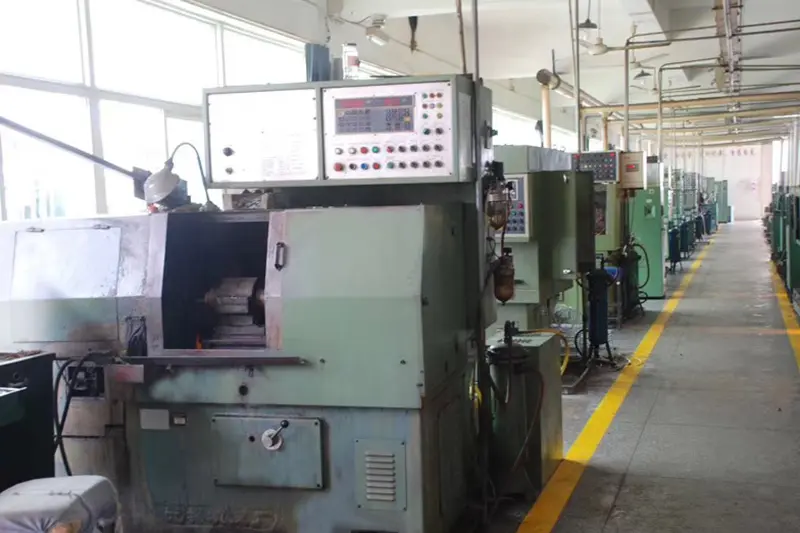
VETOR GROUP's adapter sleeves are produced using carefully selected structural steel alloys. This selection process prevents plastic deformation and structural splitting when under intense axial thrust. The manufacturing process involves precision lathing of the external taper, slitting with controlled-depth cutting discs, and thread rolling to enhance thread shear resistance.
Our tapered sleeves maintain a dimensional tolerance below 5 micrometers. An out-of-round or uneven taper surface will cause concentrated localized loading on the bearing inner ring, creating hot-spots and micro-spalling. In high-speed motor applications, this can cause premature system failure in under 1,000 running hours. Proper concentricity guarantees balanced dynamic loads across all rolling elements.
Importing mechanical components into Morocco requires strict adherence to customs regulations, including the mandatory Certificat de Conformité (CoC) under local import laws.
VETOR GROUP works alongside authorized testing bodies (such as Bureau Veritas, SGS, or TUV) to guarantee our shipments are pre-certified before departure. This prevents import holds at Casablanca Port. Furthermore, our heavy-duty sea freight packaging includes multiple layers of rust-inhibiting paper, heat-sealed foil barriers, and robust wooden crates to withstand marine humidity during ocean transport.
Industrial machinery is entering the era of predictive maintenance. The next generation of VETOR adapter sleeves will feature integrated RFID tags for instant retrieval of material grades and torque specifications directly on-site using handheld devices.
Furthermore, research into zinc-nickel and black oxide finishes is expanding, offering up to 500 hours of salt spray resistance for highly corrosive marine and chemical environments. These coatings prevent galvanic bonding between the adapter sleeve and the steel shaft, cutting down bearing removal times by up to 50% in demanding seaport environments.
Rigid quality control at every stage from raw material purchasing to final assembly packaging.
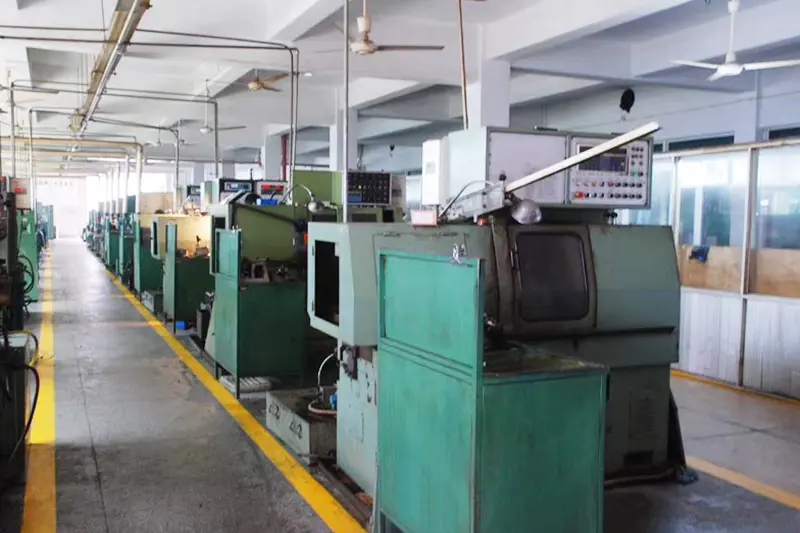
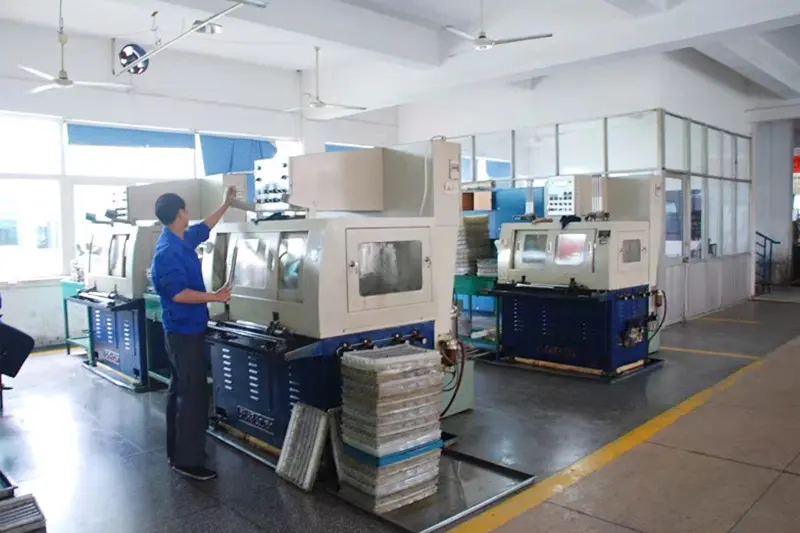
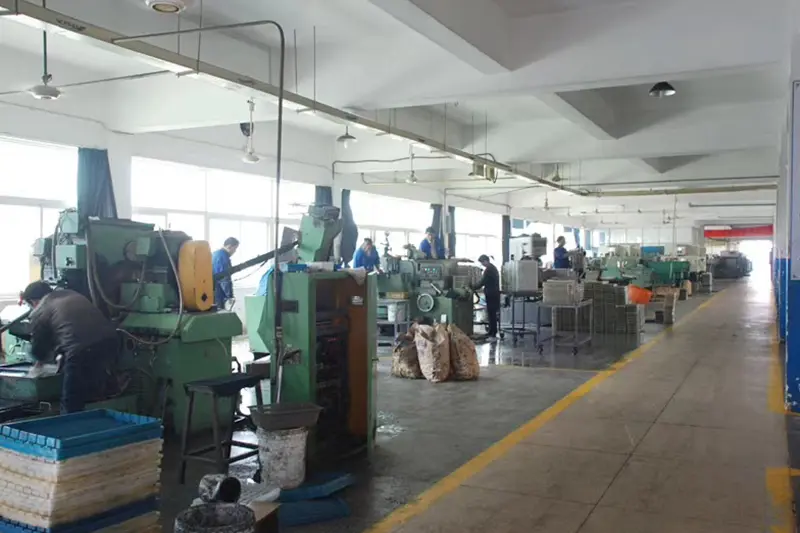
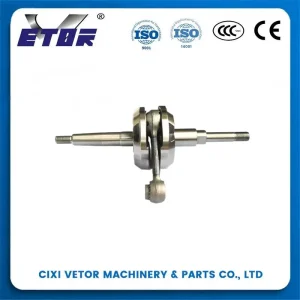
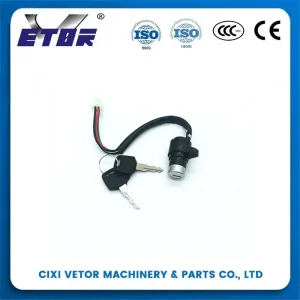
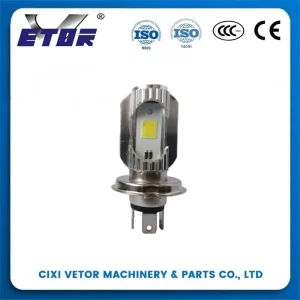
From precision ball bearings to heavy-duty motorcycle and auto spares, all components are manufactured under strict global standards.
 VETOR GROUP