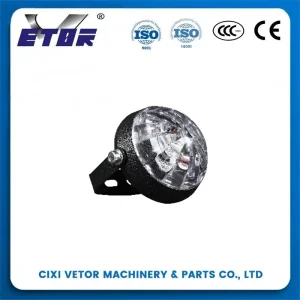
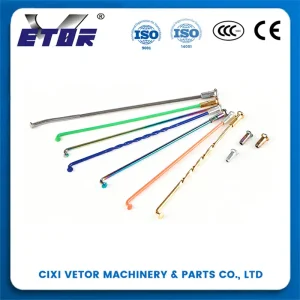
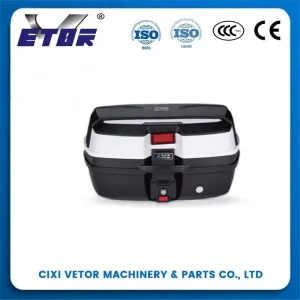
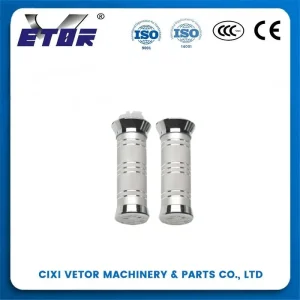
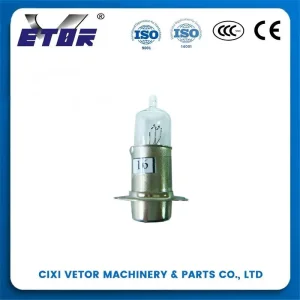
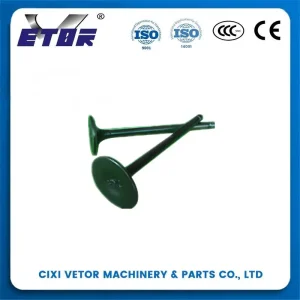
High-precision mechanical and electrical components engineered to the strictest ISO9001 quality guidelines.
Understanding the Macroeconomic Dynamics of Fluid Control in Combustion Technology
The industrial fuel cock (frequently addressed as the petcock valve) is an indispensable component in gravity-fed and vacuum-controlled fuel delivery systems for small-displacement internal combustion engines (ICE), powersports vehicles, power generators, and agricultural machinery. Globally, as light mobility, off-road recreation, and auxiliary mechanical power systems expand, the demand for precision engineered, zero-leakage fuel cocks is growing rapidly. Wholesale fuel cock procurement has evolved from simple transactional buying into a highly specialized partnership where material compatibility, pressure holding capacity, and sealing longevity define market competitiveness.
Historically, the Asia-Pacific region, led by major manufacturing hubs in China, remains both the largest production base and the highest volume market due to massive motorcycle fleets and agricultural automation sectors. In North America and Europe, the market driver shifts towards high-performance recreational vehicles (ATVs, UTVs, dirt bikes), lawn care machinery, and specialized emergency backup generator sets. These markets require strict adherence to environmental emissions standards, prompting fuel cock suppliers to integrate advanced evaporative emission control seals that prevent fugitive hydrocarbon emissions from escaping through the valve stem.
According to industrial supply chain metrics, the reliability of a small engine setup depends directly on fluid flow consistency. A micro-leak or flow restriction within the fuel cock assembly can lead to lean fuel-air mixtures, engine hesitation, or catastrophic hydro-locking of cylinder chambers due to fuel seepage during shutoff phases.
Consequently, professional manufacturers are adopting rigorous quality control steps and deploying multi-phase pressure leak testing. Advanced metallurgic purification, automated assembly lines, and severe fluid-aging trials have become standard requirements for Tier-1 automotive and motorcycle component suppliers. With industrial and commercial reliance on portable fuel-powered devices remaining firm despite electrification trends, the fuel cock market continues to prioritize specialized metallurgy, ethanol-resistant polymers, and precision machining.
The Evolution of Materials, Seal Chemistries, and Control Mechanisms
Modern fuel cocks must withstand high vibrational loads, external impacts, and chemical attack from corrosive fuels. Leading manufacturers employ high-grade corrosion-resistant materials such as zinc alloys (Zamak 3/5), forged brass (CW617N grade), and marine-grade anodized aluminum (6061-T6). Aluminum housings are ideal for weight reduction and thermal stability, whereas forged brass provides exceptional toughness and thread integrity for heavy-duty applications.
The introduction of bio-ethanol blends (E10, E15, up to E85) globally has changed the requirements for fuel valve seals. Standard Nitrile rubber (NBR) swells and degrades under modern oxygenated fuel compositions. Top-tier suppliers use fluorocarbon elastomers (FKM/Viton) and high-density polytetrafluoroethylene (PTFE) packings. Viton seals retain elasticity and dimensional tolerance in temperatures ranging from -30°C to 150°C, ensuring the valve remains drip-proof over thousands of operational cycles.
A primary failure point in small engine fuel delivery is particulate contamination from rusted metal tanks or dirty fuel. The fuel cock assembly is the primary line of defense. The integration of dual-stage, high-density polyethylene (HDPE) or brass wire mesh filters (ranging from 100 to 150 microns) directly on the intake tubes prevents micro-debris from entering the carburetor jetting, avoiding fuel starvation or overflow conditions.
Manual gravity-fed valves require user intervention to prevent gravity flow when parked. The industry has shifted toward automated vacuum-actuation systems. In a vacuum fuel cock, a spring-loaded diaphragm blocks the fuel path until intake manifold vacuum is generated during engine cranking. Looking forward, electronic solenoid-actuated fuel cocks integrated with engine control units (ECUs) are gaining market share, enabling smart fuel management and automated shut-offs linked to safety sensors.
Adapting Fluid Control Valves to Varied Environmental and Operational Contexts
For ATVs, dirt bikes, and utility vehicles, fuel cocks must resist continuous high-amplitude vibrations and impact forces. Sand, water, and mud require sealed rotating selector plates. The solution involves using heavy-duty zinc-aluminum alloys, reinforced Viton diaphragms, and mechanical locking detents in the "ON," "OFF," and "RES" positions to prevent accidental shifting under extreme terrain conditions.
In developing markets across Central America, Africa, and Southeast Asia, small tractors and water pumps operate in dusty, humid environments with variable fuel quality. Fuel cocks in these applications must feature cleanable sediment bowls built directly into the assembly. This allows field operators to drain water and sediment without removing the entire valve assembly, protecting the fuel system from corrosion.
Standby and prime power generators demand long operational lifespans and reliability. A fuel cock on a commercial generator must remain closed for long periods without sticking or cold-flowing. Precision machining of the internal ceramic or brass rotor ensures minimum friction and reliable operation during critical power outages, even after long periods of storage.
Founded in 2005, VETOR GROUP is an established international trade and manufacturing group specializing in automotive and motorcycle components. Based in Cixi City on Hangzhou Bay, we benefit from logistics advantages through close proximity to Shanghai Port and Ningbo Port, allowing for efficient shipping and distribution.
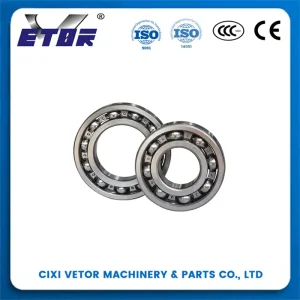
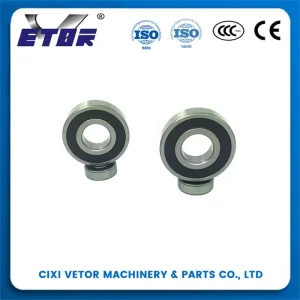
Our facilities specialize in deep groove ball bearings and EMQ grade bearings (with inner ring dimensions from 6mm to 90mm), auto parts, ATV parts, dirt bike accessories, and fluid control valves. We integrate precision machining, materials expertise, and quality control systems certified to the ISO9001 standard.
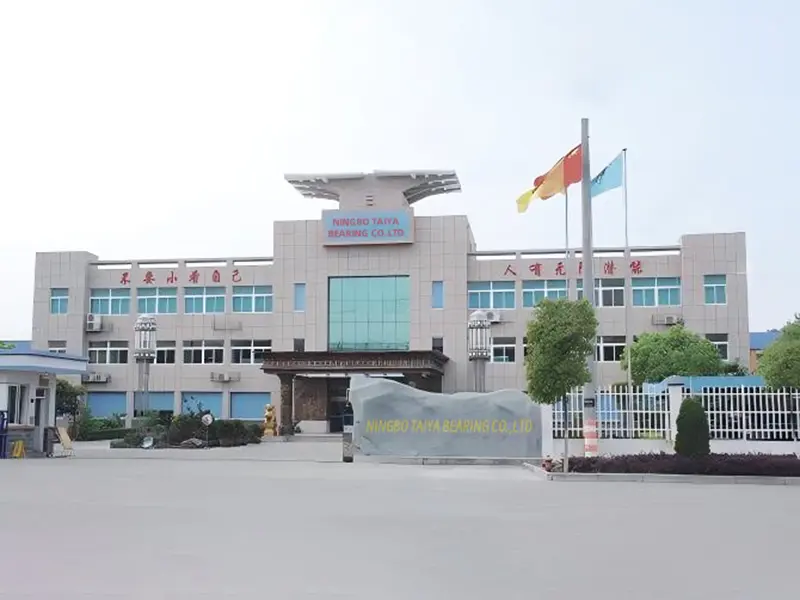
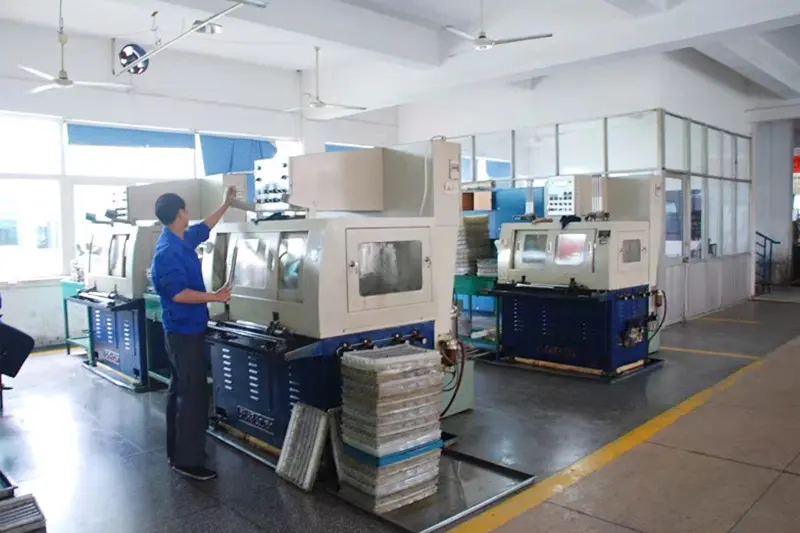
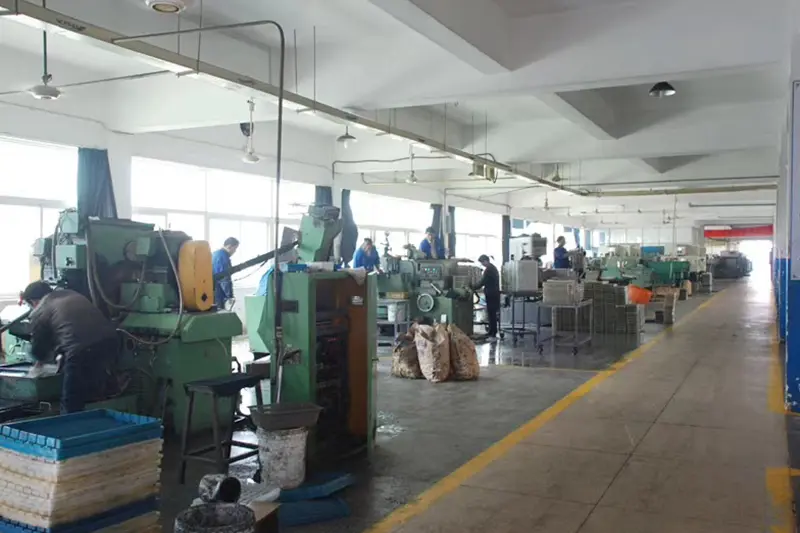
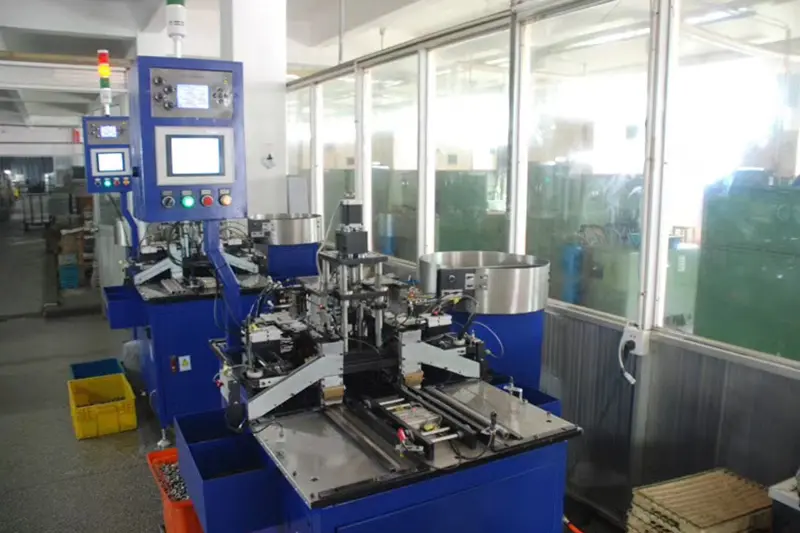
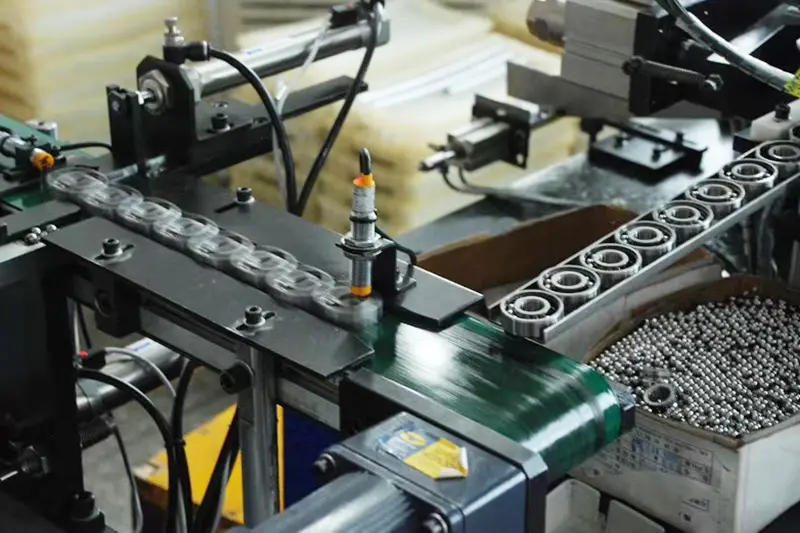
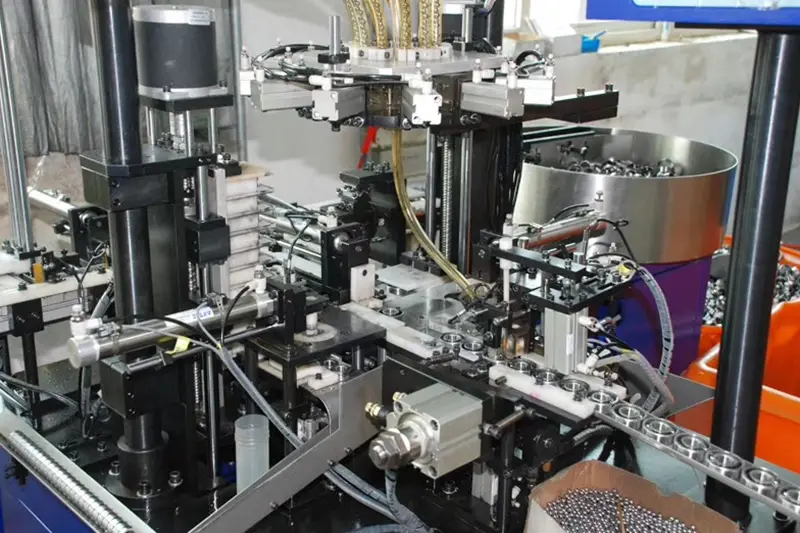
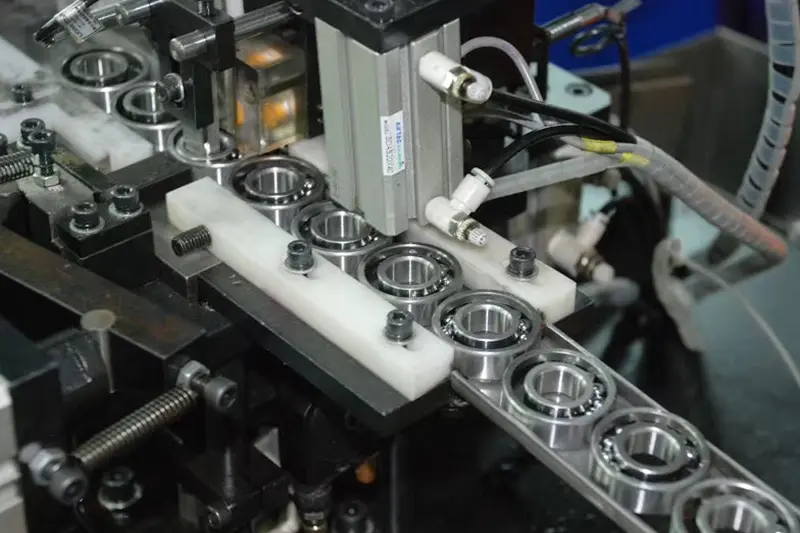
Inside our advanced manufacturing floors, featuring cleanrooms, automated assembly systems, and strict testing areas.
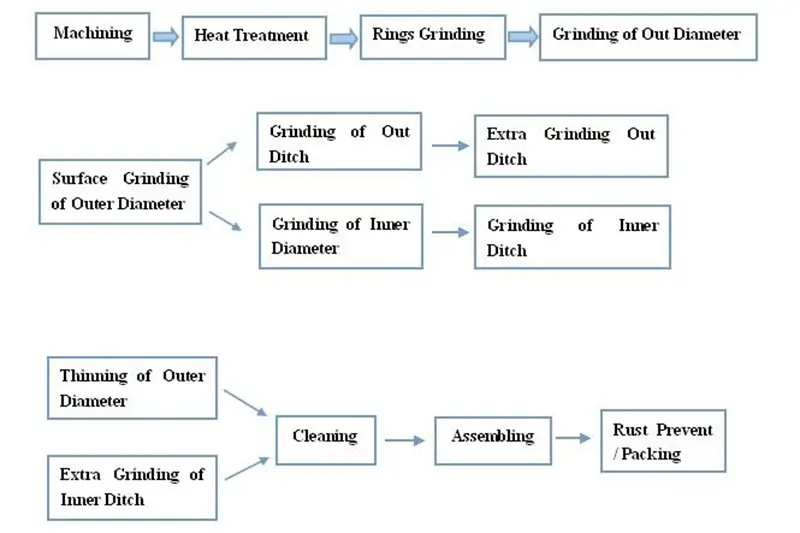
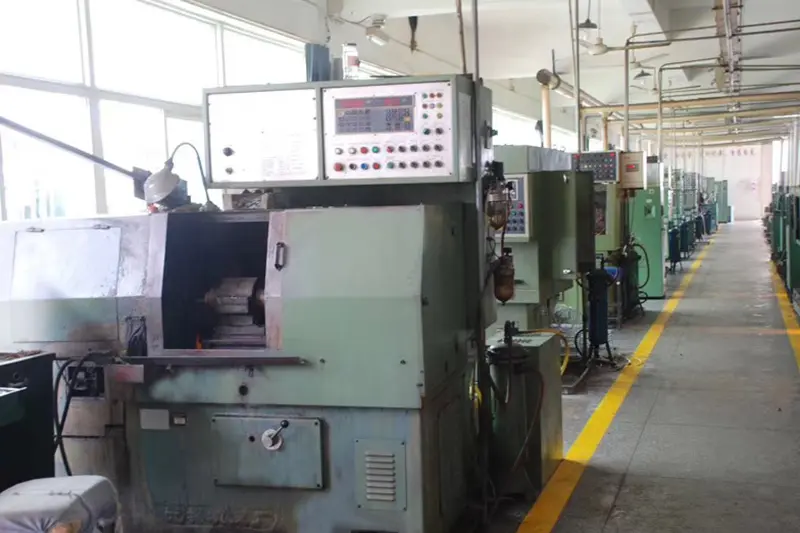
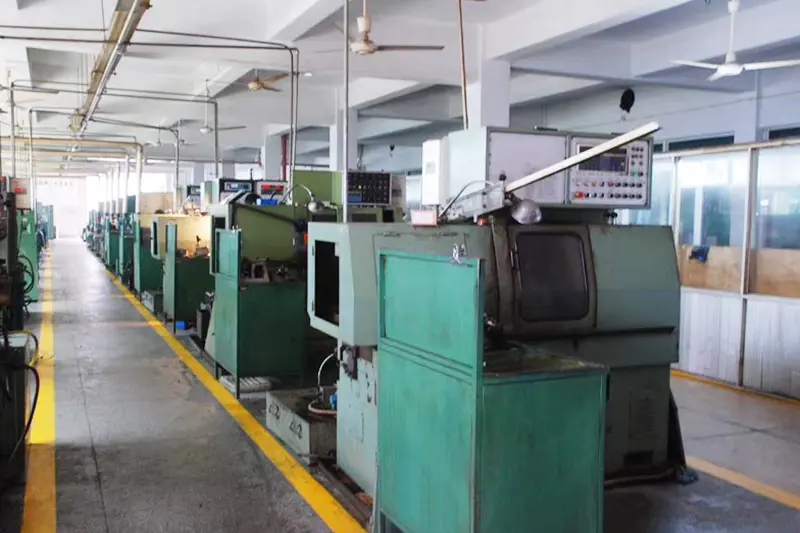
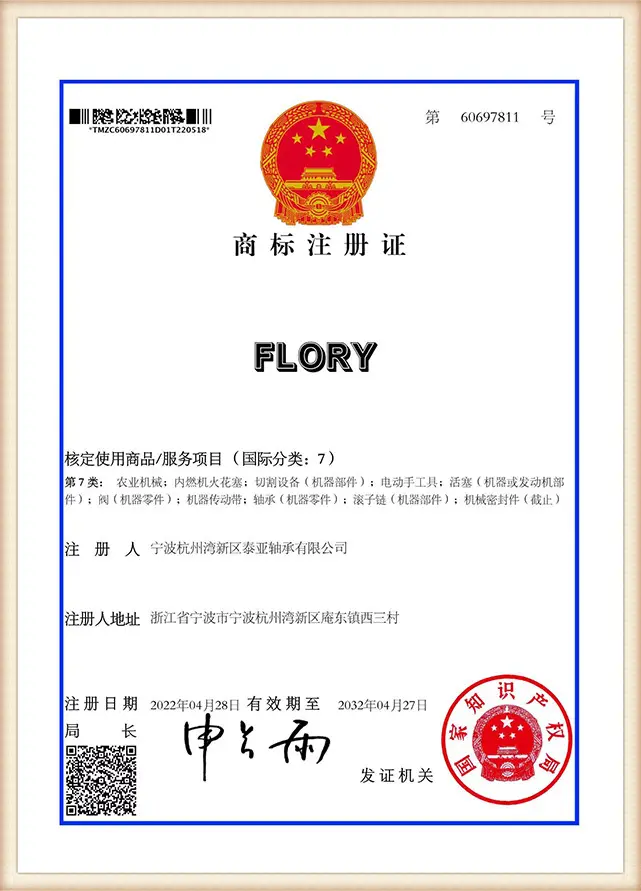
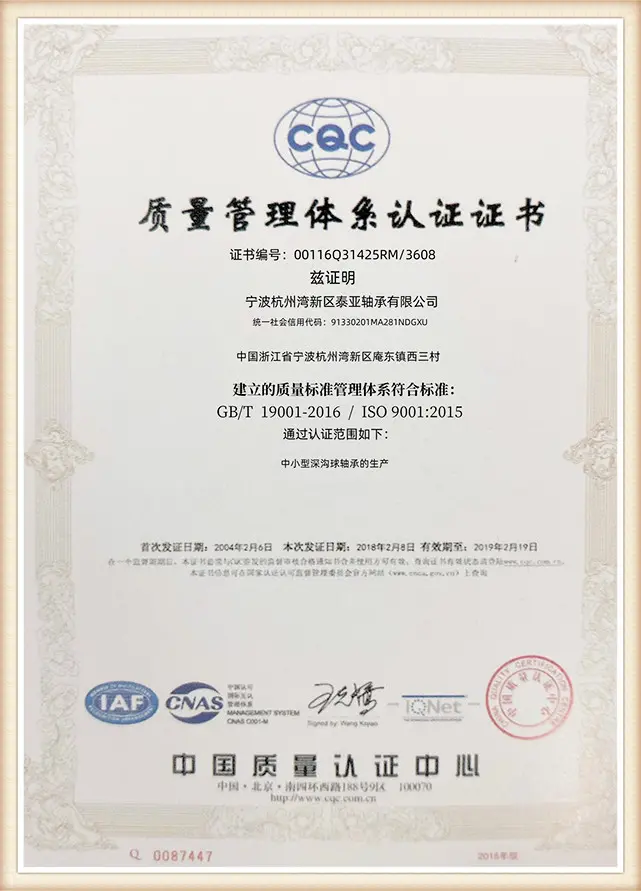
Compliance, traceability, and global standardization across all product lines.
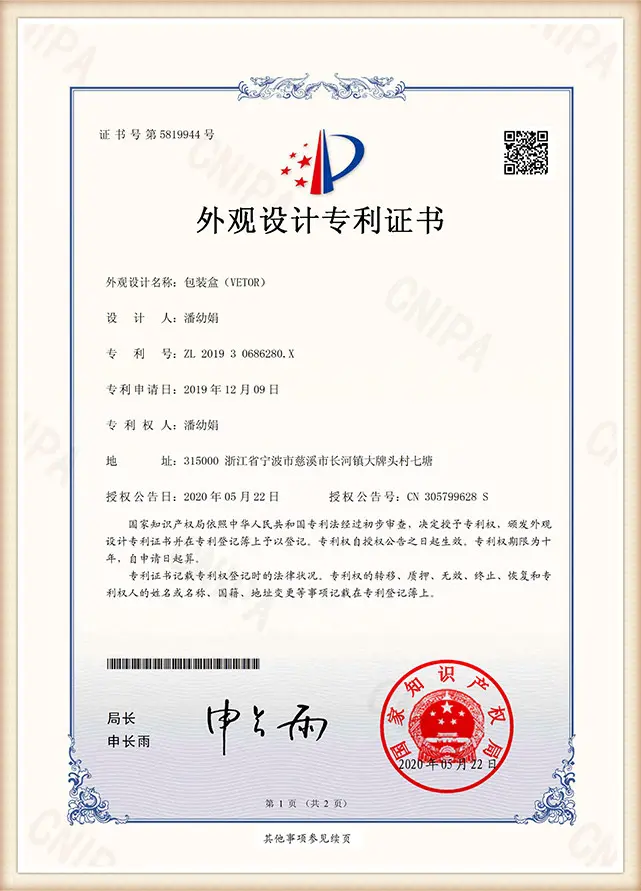
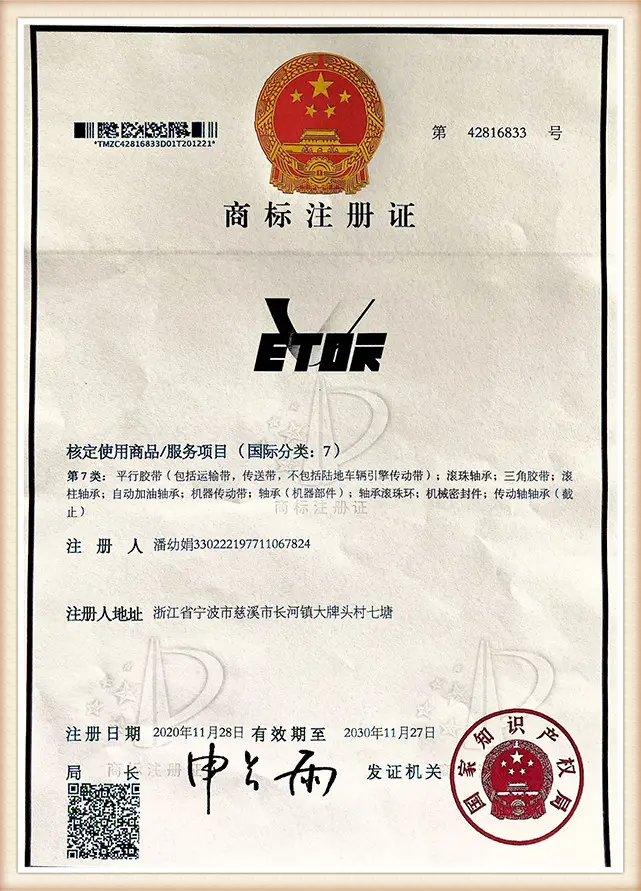
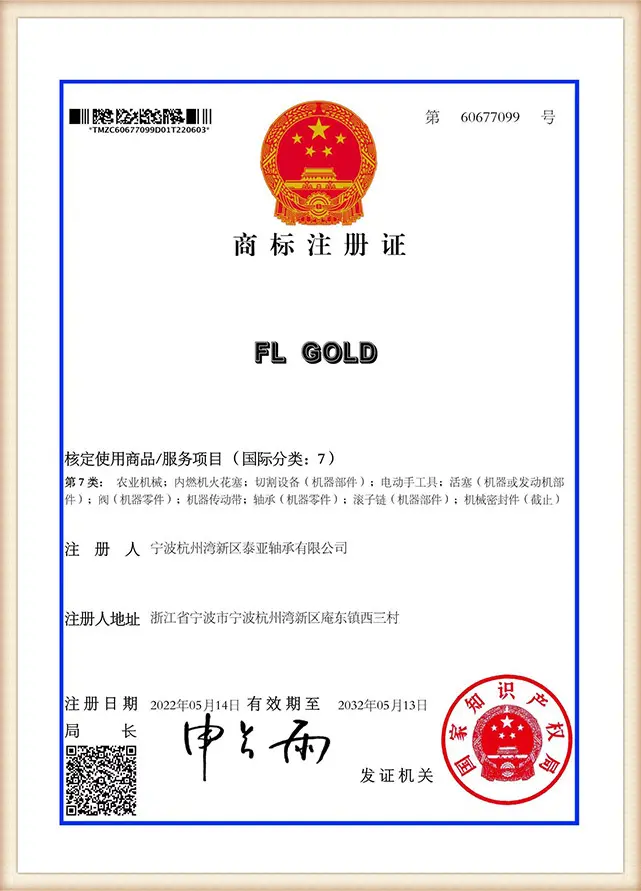
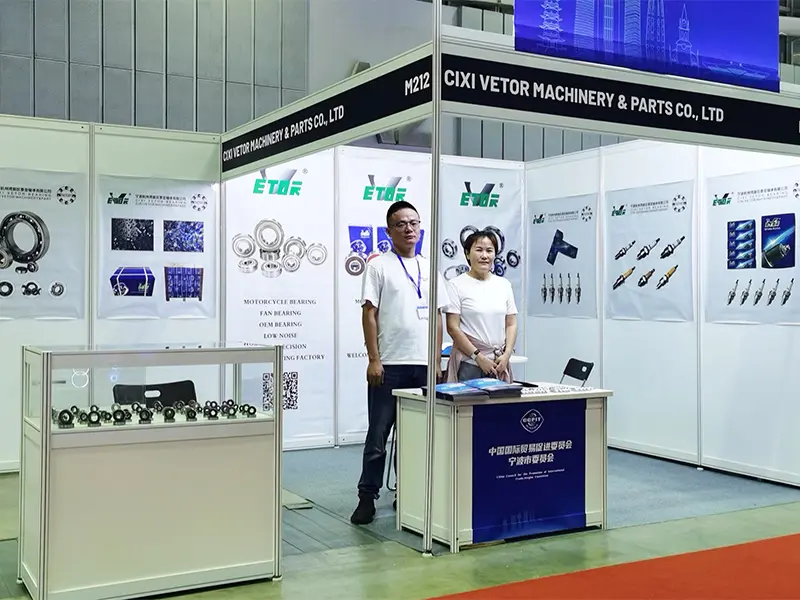
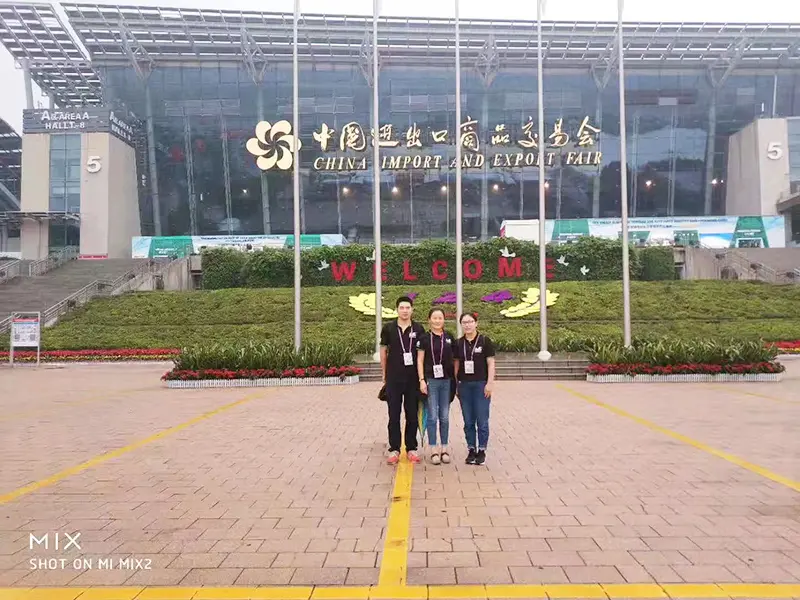
Participating in leading industrial exhibitions and connecting directly with global distributors and OEM buyers.
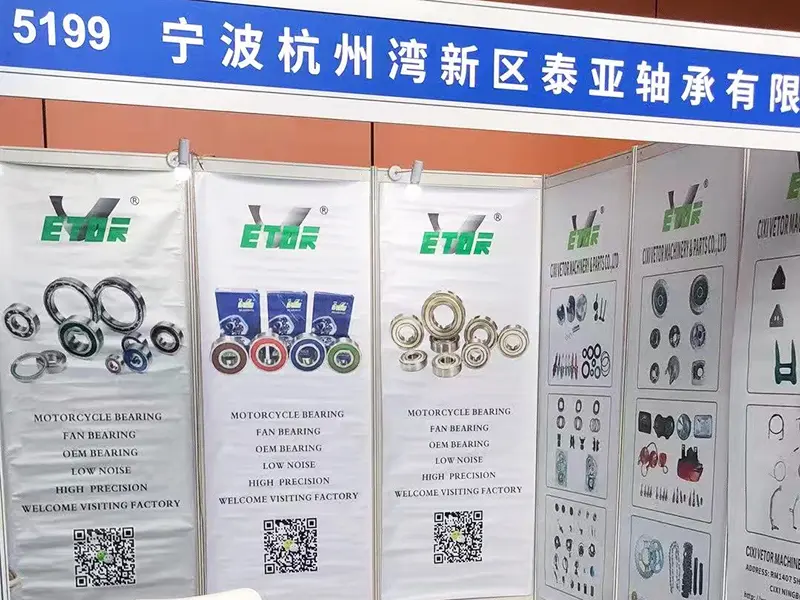
VETOR brand products engineered for reliability across sectors.
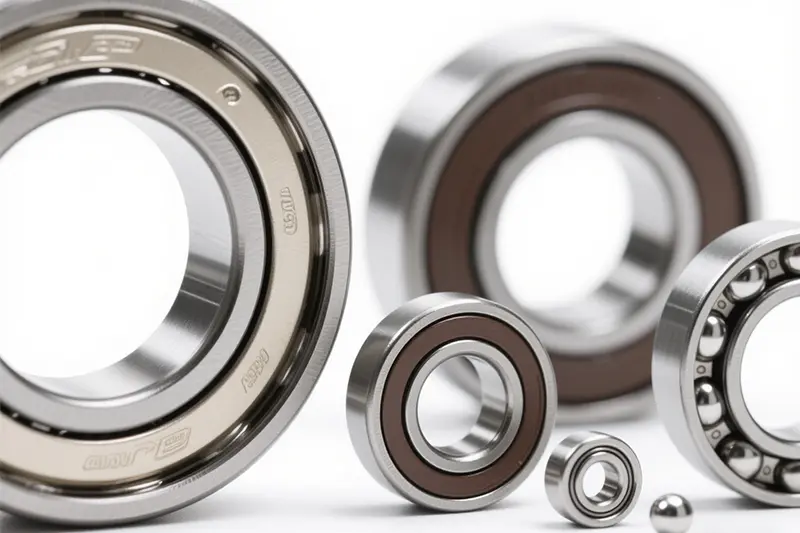
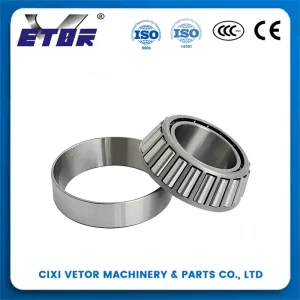
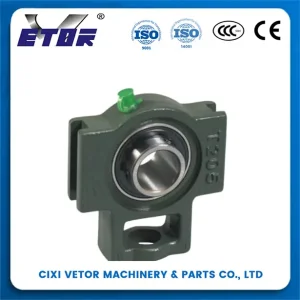
Deep groove ball bearings and EMQ grade bearings (6mm-90mm) engineered for low noise, low vibration, and extended operating life.
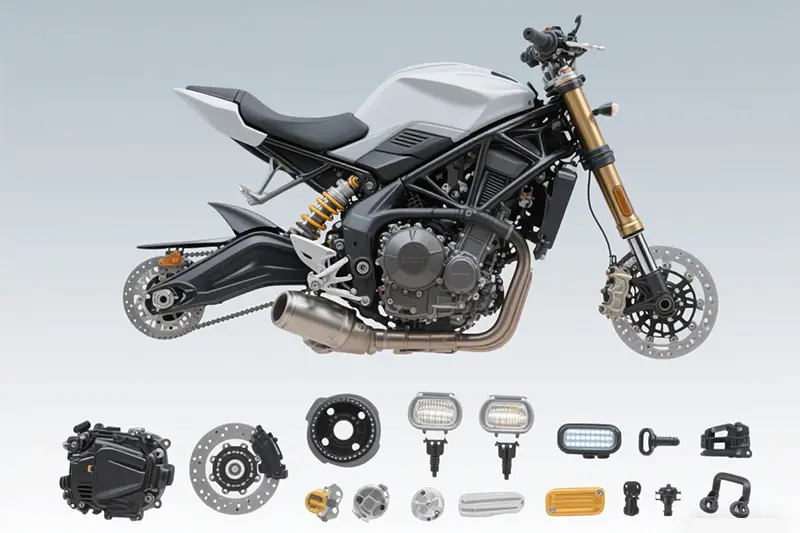
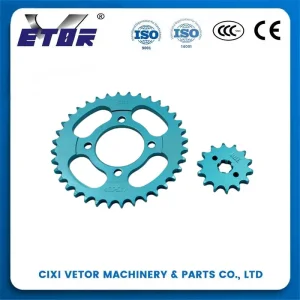
High-performance chain drives, sprockets, valves, and precision fuel management components built to meet strict OEM specifications.
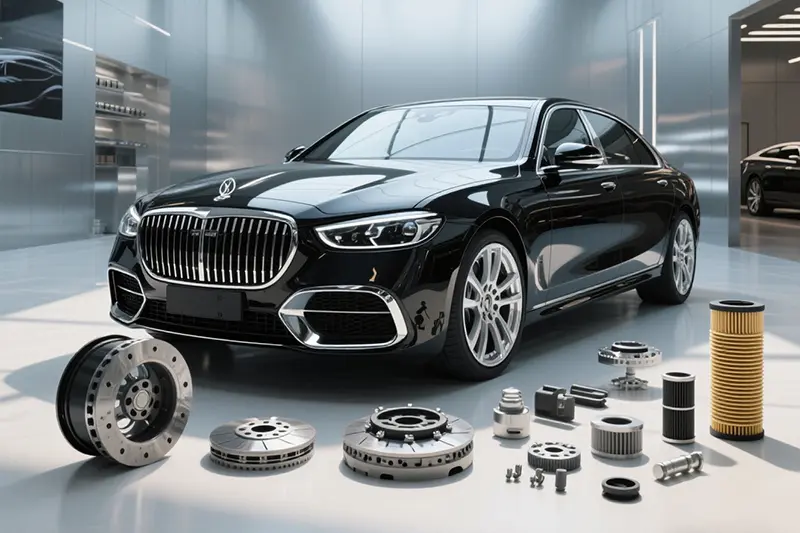
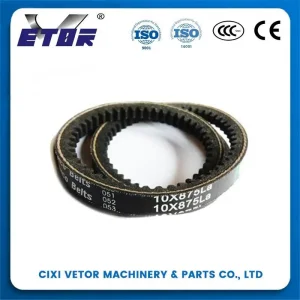
Reliable cooling systems, suspension mounts, transmission components, and drive belts designed to endure high thermal stress.
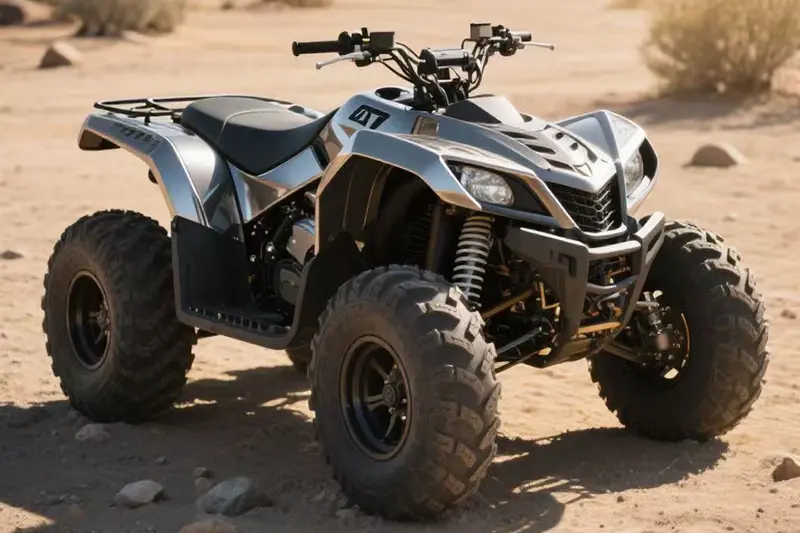
Heavy-duty suspension systems, off-road drive gears, protective structural parts, and water-resistant fuel petcocks.
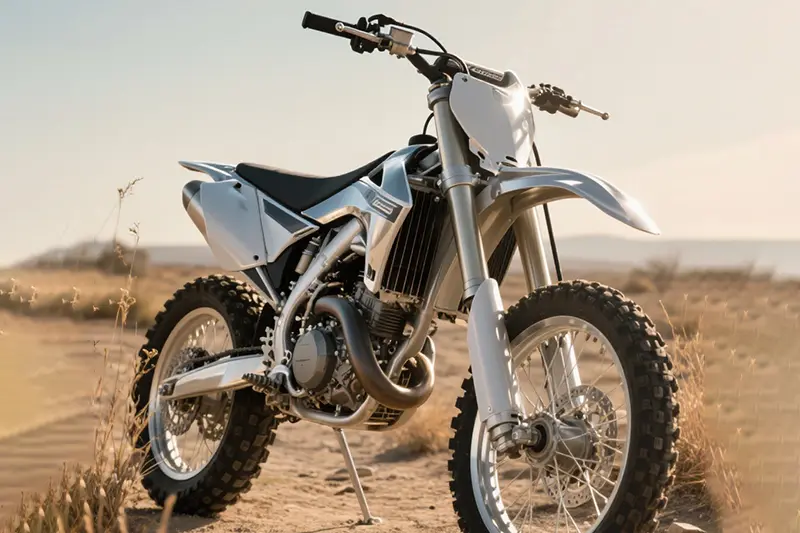
Lightweight frames, performance exhaust systems, suspension modification kits, and leak-proof fuel switches for competition use.
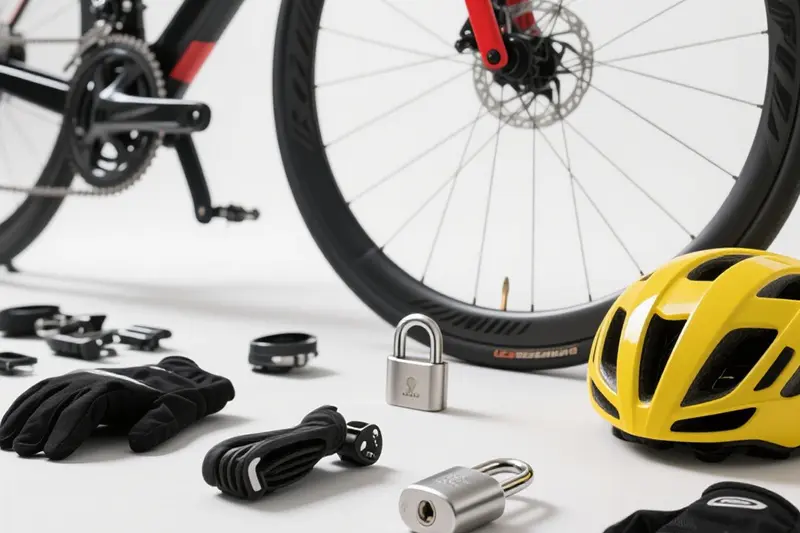
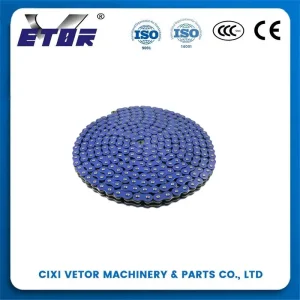
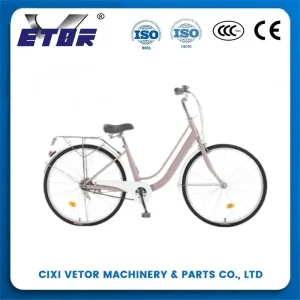
Robust alloy wheels, responsive mechanical braking systems, and lightweight drive chains designed for commuter and off-road bikes.
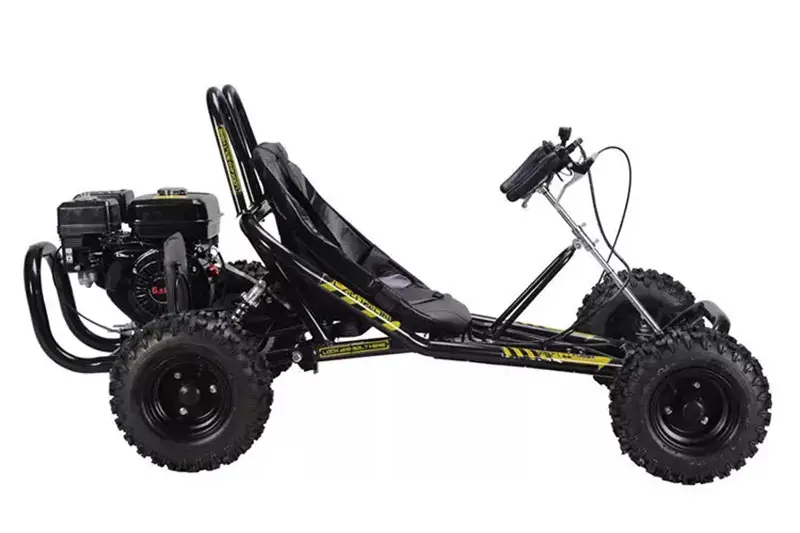
High-performance chassis components, braking configurations, and steering joints engineered for competitive racing disciplines.
Partnering with global buyers through responsive support, customization, and reliable logistics.

Our team is here to support you from 8:00 to 17:00, Monday to Saturday. We provide prompt technical consultations and clear pricing for inquiries.

We offer OEM partnerships, custom material specifications, personalized engraving, and specialized packaging structures to match local regulations.

We maintain contracts and deliver shipments within agreed timelines by coordinating with nearby logistics infrastructure in Shanghai and Ningbo.
Important Technical Criteria for Global Purchasing Managers and Distribution Networks
Sourcing industrial-grade fuel cocks in large volumes requires assessing more than simple unit costs. Sourcing managers must evaluate several technical performance parameters to ensure compatibility with localized market dynamics and long-term product reliability.
Ensure the inner passage diameter matches engine displacement to prevent high-speed starvation.
Specify Viton seals for countries using E10/E85 ethanol-blended petrol to prevent seal degradation.
Specify zinc or anodized aluminum casings with secure locking tabs for off-road setups.
Specify fatigue-tested synthetic rubber membranes for vacuum-operated petcocks.
As a leading supplier, VETOR GROUP addresses these issues directly. Drawing on the precision manufacturing practices developed for our EMQ-grade bearings, we maintain tight tolerances in our valve bodies, ensuring smooth rotation and reliable sealing over long-term use. We support custom thread patterns (e.g., M14, M16, flange attachments) to match different manufacturer fuel tank layouts.
Answers to common technical, manufacturing, and shipping inquiries.
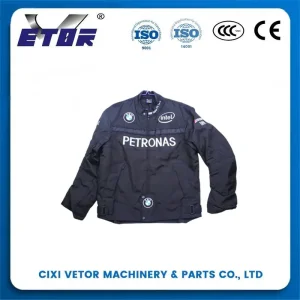
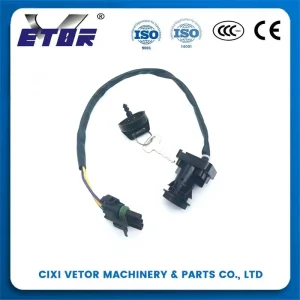
Explore our expanded inventory of precision engineering, safety gear, and engine components.
 VETOR GROUP