In the rapidly changing landscape of global transportation and heavy machinery, mechanical control cables—most notably brake cables—stand as critical safety components. Whether utilized in high-speed motorcycles, heavy-duty utility terrain vehicles (UTVs), performance mountain bikes, or precision agricultural machinery, the demands placed on mechanical brake cable assemblies have transitioned from simple tensile links to highly specialized, low-friction, and exceptionally durable engineering systems. Modern commercial entities seeking to optimize their supply chain must partner with manufacturers capable of delivering unmatched reliability, precision tolerances, and advanced material structures.
"Brake cable manufacturing is no longer just about drawing wire. Today, it incorporates molecular-level outer jacket treatments, precision-engineered low-friction inner liners, and structural terminal designs that must survive millions of fatigue cycles under extreme thermal ranges."
Today's industrial brake cable markets are shaped by several major trends: the integration of lightweight alloys, strict safety-compliance standardizations (such as ISO/TS 16949), and the rapid expansion of light electric vehicle platforms (LEVs). As global cities move toward sustainable micro-mobility, the reliance on high-performance mechanical control lines has expanded exponentially, driving manufacturers to innovate constantly in material performance, rust prevention, and structural longevity.
To understand the information gain that differentiates cheap aftermarket control cables from tier-1 industrial products, one must look at the specific anatomical layers of modern brake cables:
High-grade brake cables utilize a multi-layered outer casing structure. The outermost layer is typically extruded from UV-resistant, impact-resistant Polyvinyl Chloride (PVC) or Thermoplastic Polyurethane (TPU). This protects the inner steel structure from moisture, road salts, oil, and ozone degradation. Internally, a flat-wrap or longitudinal steel wire structure prevents compression under sudden braking pressures, maintaining consistent lever feel.
The secret to responsive, zero-lag braking is the inner liner. High-end cables feature a co-extruded Polyoxymethylene (POM) or Polytetrafluoroethylene (PTFE/Teflon) liner. These materials offer an incredibly low coefficient of friction against the inner wire, ensuring that input force is directly converted to mechanical stopping force with minimal mechanical loss.
The inner core consists of multi-strand high-tensile steel wire (typically 1x19, 7x7, or 7x19 configurations). We offer hot-dipped galvanized carbon steel for standard cost-effective applications, and premium Stainless Steel (SUS304 or SUS316) for extreme maritime, agricultural, or off-road situations where rust prevention is critical.
In addition, the termination terminals and end-fittings (die-cast zinc nipples, brass barrels, threaded steel adjusters) are subjected to strict pull-test verification. The interface between the cable and the terminal represents the most common failure point in sub-standard products. Advanced manufacturers utilize hot-chamber zinc die-casting directly onto the swaged wire end, ensuring the terminal is molecularly integrated and cannot slip or shear under emergency loads.
Procurement managers, supply chain directors, and engineers do not simply purchase "brake cables"; they purchase system reliability, liability mitigation, and consistent delivery pipelines. When evaluating a potential manufacturing partner, global buyers prioritize the following verification checkpoints:
For automotive-grade components, facilities must conform to the ISO 9001:2015 quality management system. This ensures comprehensive quality tracking from raw steel wire inspection to final mechanical performance testing.
Reliable partners supply comprehensive lab test reports, including tensile load tests (verifying breaking strength exceeding safety parameters), thermal cycle tests (-40°C to +120°C), and salt spray corrosion testing (ASTM B117 standards) exceeding 96 hours.
Every vehicle chassis and mechanical structure requires specific routing lengths, custom outer casings, rubber dust boots, and custom-molded metal brackets. Quick prototyping and tooling capabilities are essential to keep up with tight engineering timelines.
As global market dynamics shift, supply chain resilience has become just as critical as raw production capacity. Partnering with a manufacturer integrated into China's advanced industrial clusters offers unparalleled strategic advantages:
Modern Chinese manufacturing has transitioned to "Factory 4.0" automation. High-speed automatic wire winding machines, computer-controlled outer plastic extrusion lines, and robotic swaging units minimize human error, reduce cycle times, and guarantee that the one-millionth cable matches the first one down to the micron.
Located in Cixi City—a major economic hub along China's coastal corridor—VETOR GROUP leverages immediate access to two of the world's premier ports: Ningbo Port and Shanghai Port. This translates to reduced inland transit costs, streamlined customs clearance, and consistent ocean freight container availability, allowing for efficient global export cycles of 7 to 20 days.
The Chinese manufacturing ecosystem provides immediate, localized access to high-grade alloy steel suppliers, specialized plastic extruders, and surface treatment facilities. By minimizing the logistical overhead of sourcing materials, factories can maintain competitive factory-direct pricing without ever sacrificing material grade or performance.
Founded in 2005, VETOR GROUP has grown into a comprehensive foreign trade and industrial group specializing in high-performance mechanical control lines, automotive components, and precision bearings. Strategically based in Cixi City, China, we operate at the center of the world's most robust automotive and industrial component supply chains.
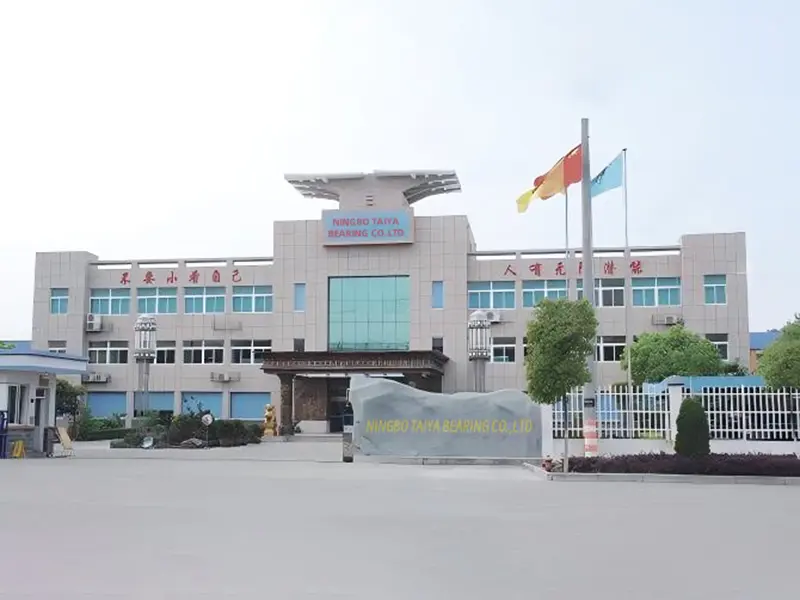
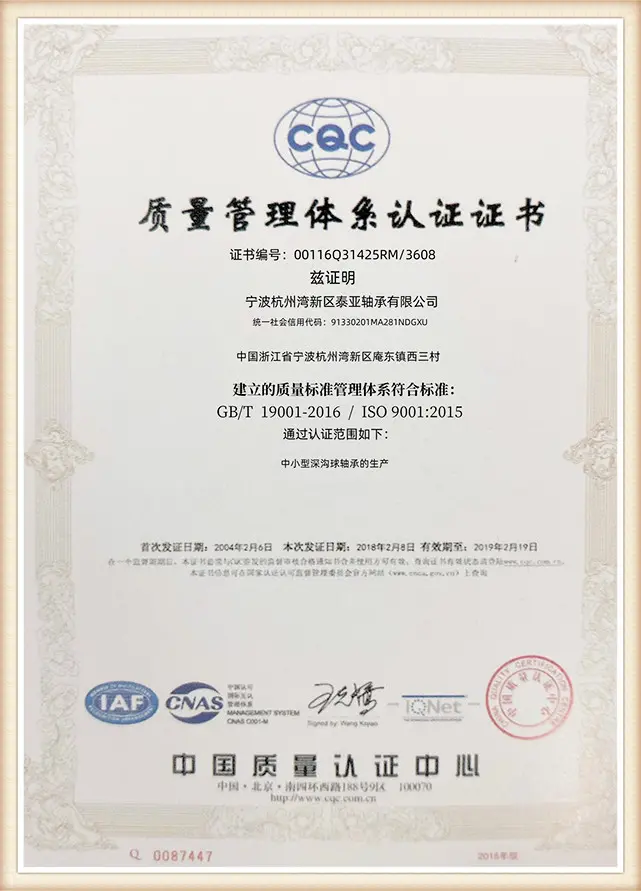
With close proximity to major shipping terminals (Shanghai Port and Ningbo Port) and close reach to Hangzhou Xiaoshan and Ningbo Lishe airports, we guarantee streamlined global distribution. Our operations are certified under the ISO9001 international quality management standard, demonstrating our commitment to quality, efficiency, and industrial excellence.
In addition to our extensive mechanical control components, VETOR GROUP operates a specialized, state-of-the-art manufacturing facility dedicated to deep groove ball bearings and Electric Motor Quality (EMQ) grade bearings (inner ring dimensions ranging from 6mm to 90mm). Engineered for high precision and stability, our VETOR brand bearings are globally recognized for:
Low noise, vibration, and friction coefficients for ultra-smooth power transmission.
Superior sealing designs preventing dust ingress and ensuring lubricant retention.
Exceptional structural stability and extended wear life under high rotational speeds.
These premium bearings are utilized widely in household appliances, micro-motors, electric fans, motorcycle engines, medical devices, fitness equipment, textile apparatus, and agricultural implements.
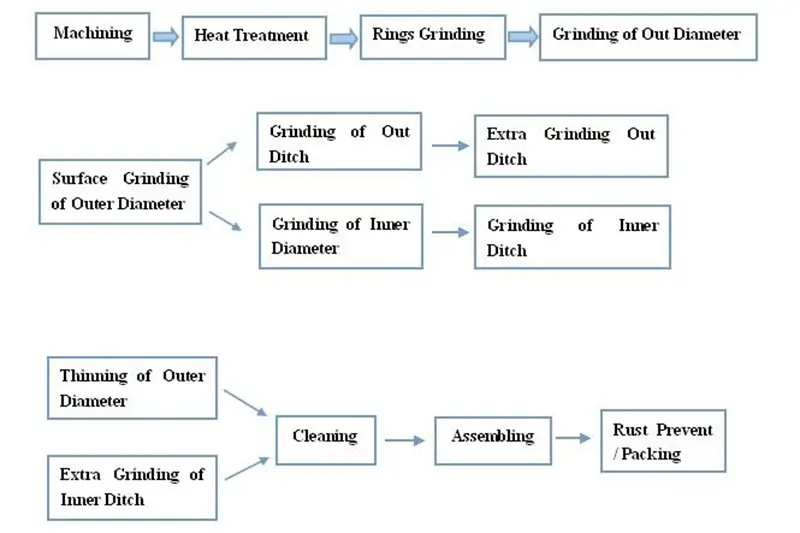
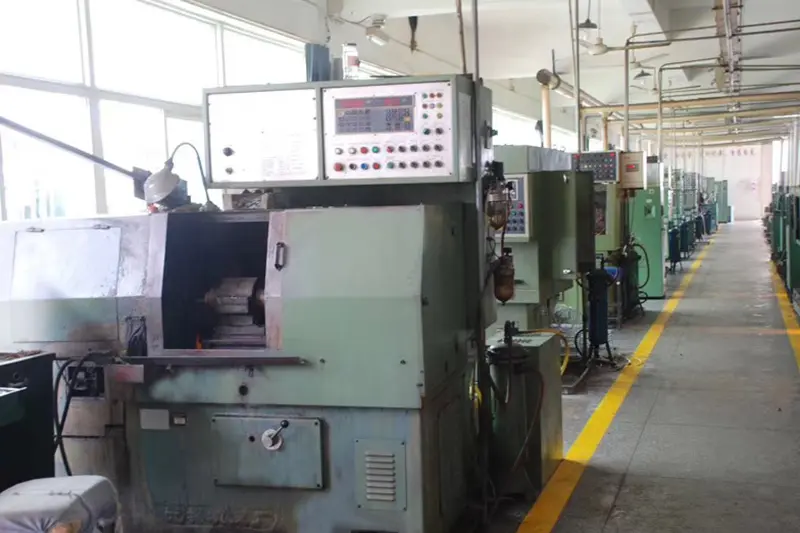
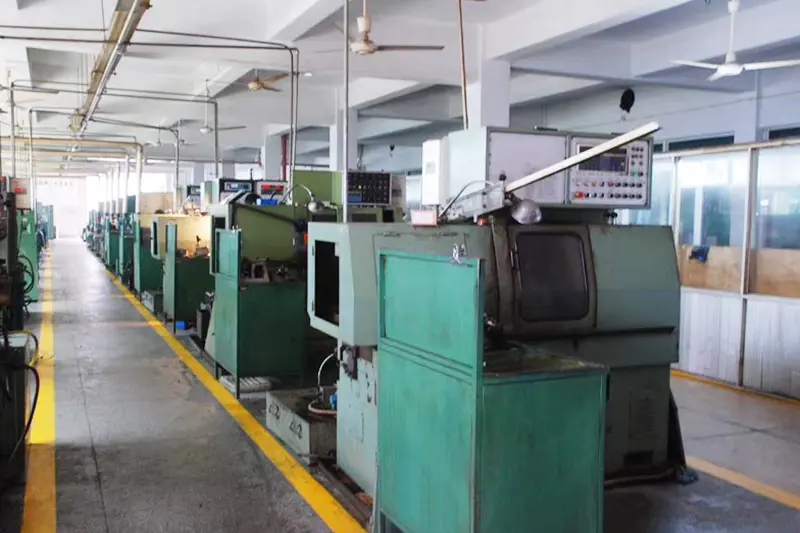
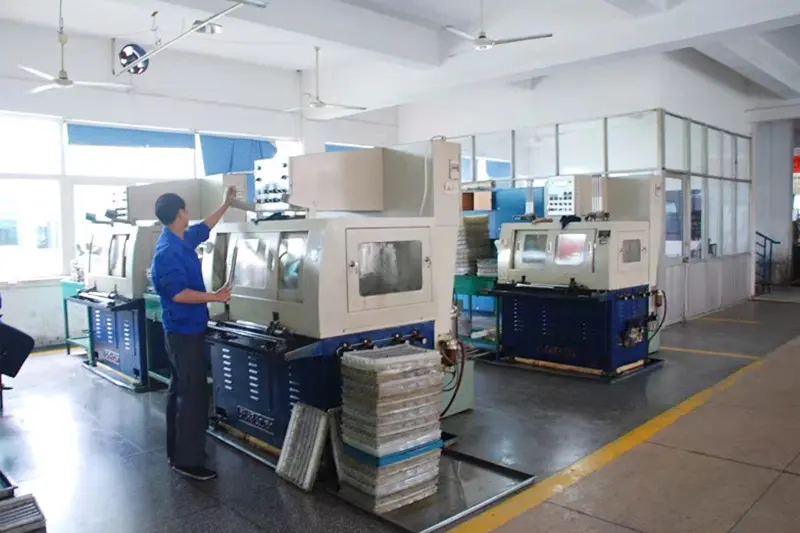
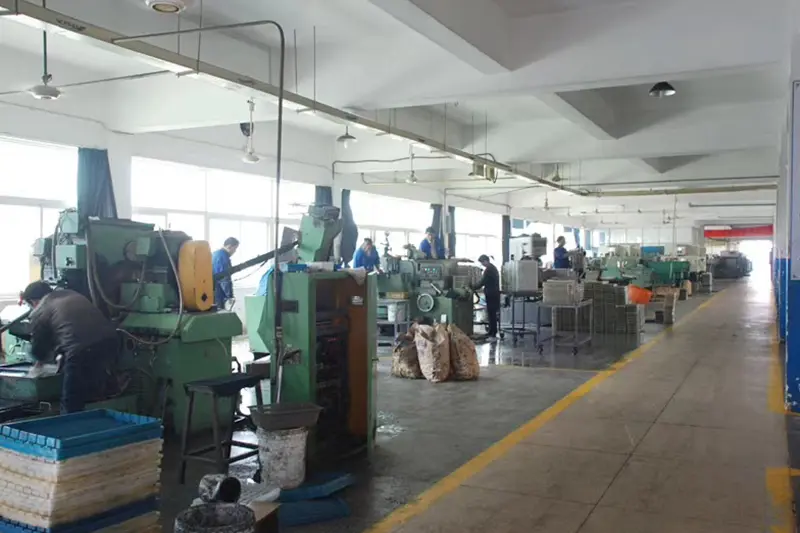
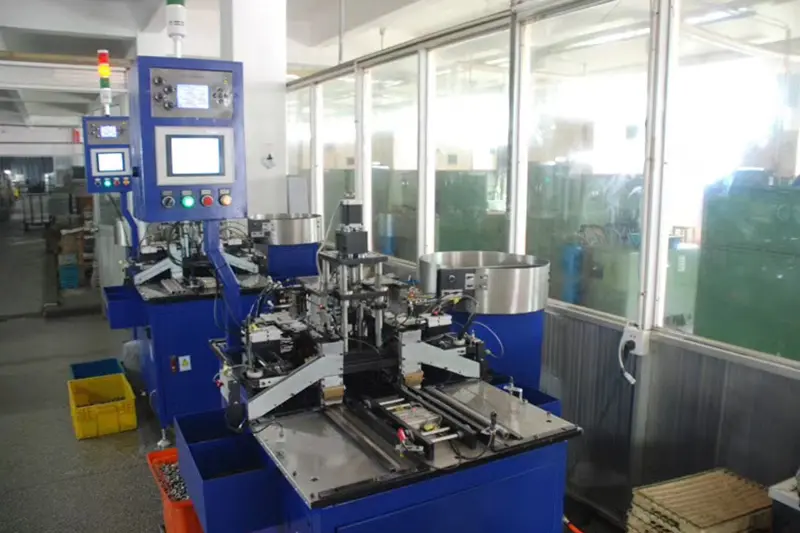
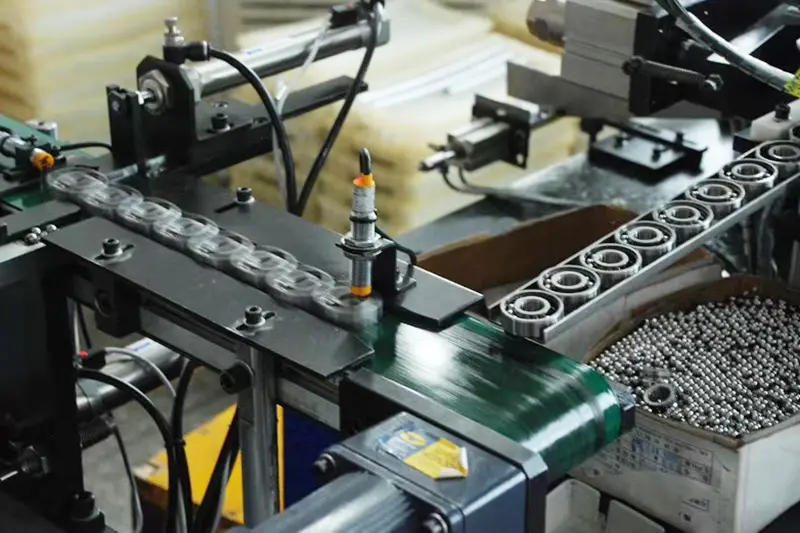
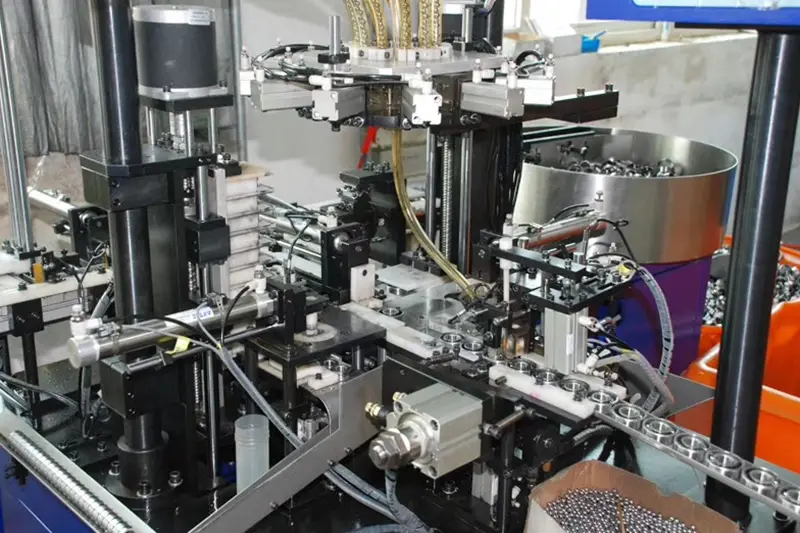
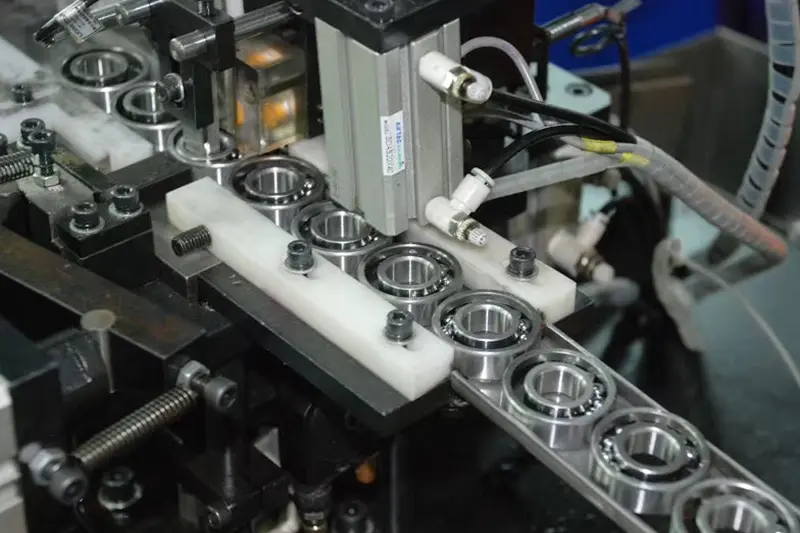
All of our processes are meticulously governed by strict ISO-certified operations. We maintain state-of-the-art inspection machinery to verify concentricity, tensile limits, metallurgy structure, and operational noise thresholds.
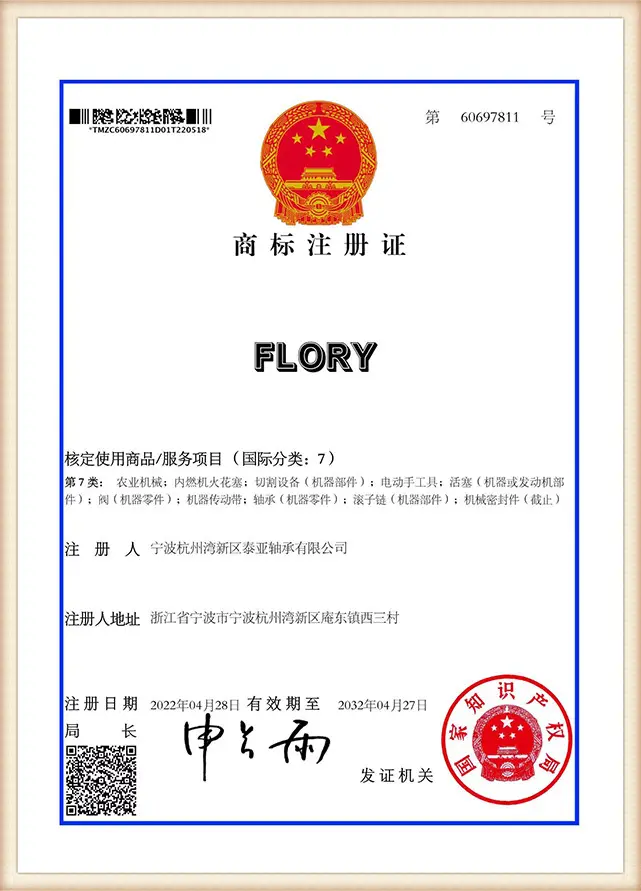
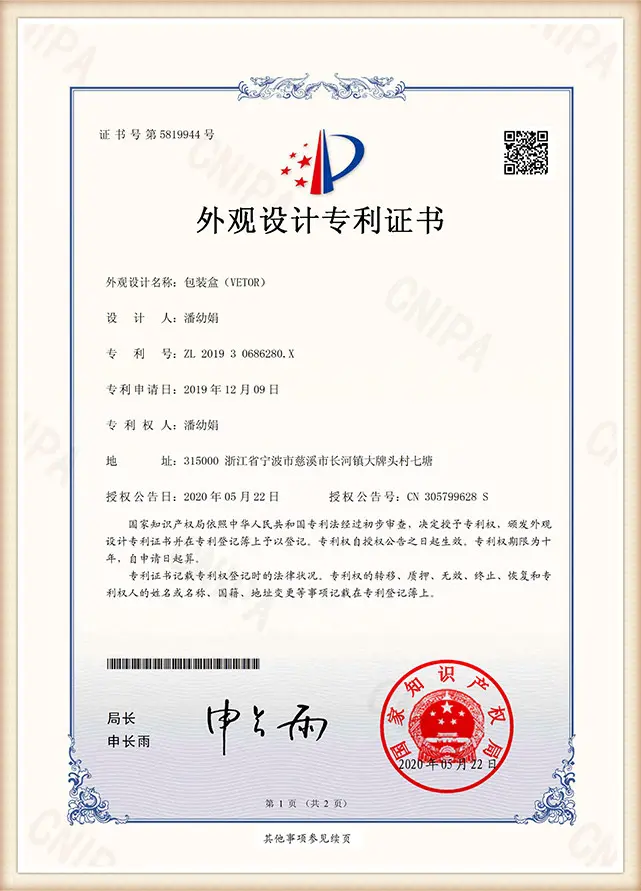
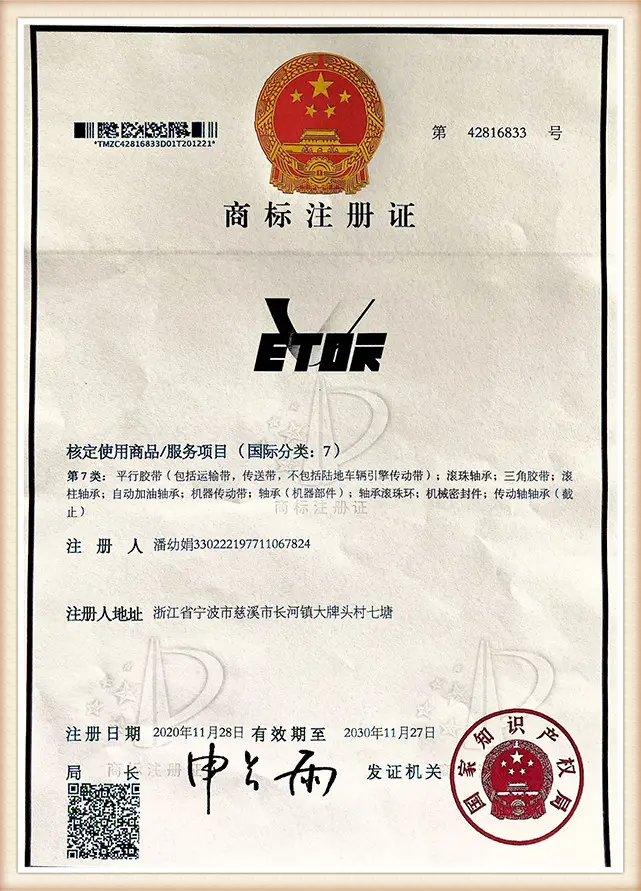
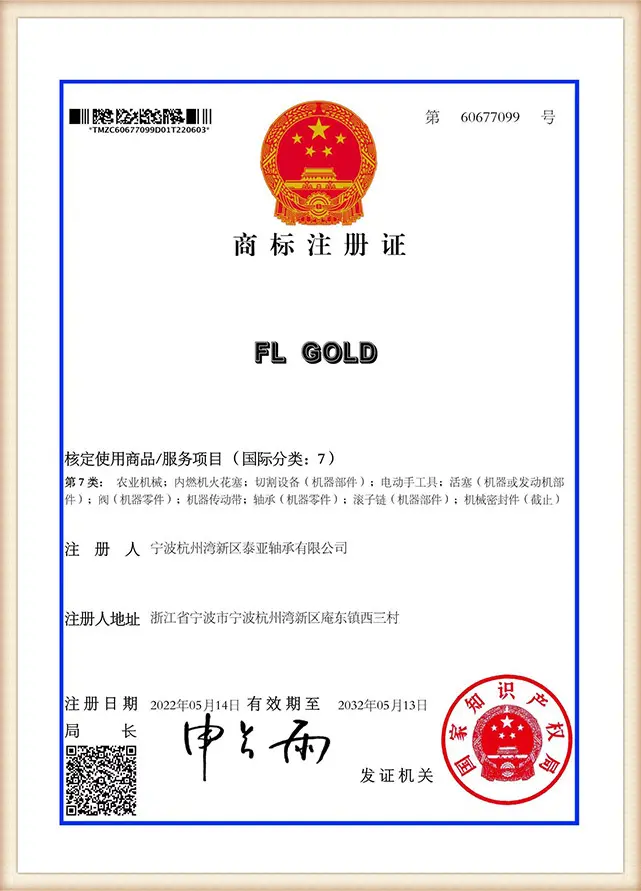
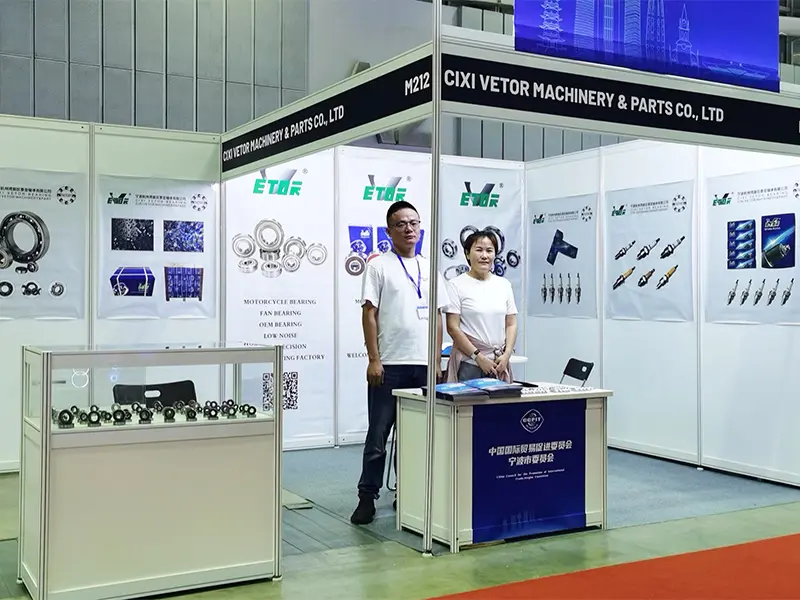
VETOR GROUP actively connects with our global customers at international trade exhibitions, showing our new products, discussing material innovations, and reinforcing relationships with distributors across Europe, South America, and the Middle East.
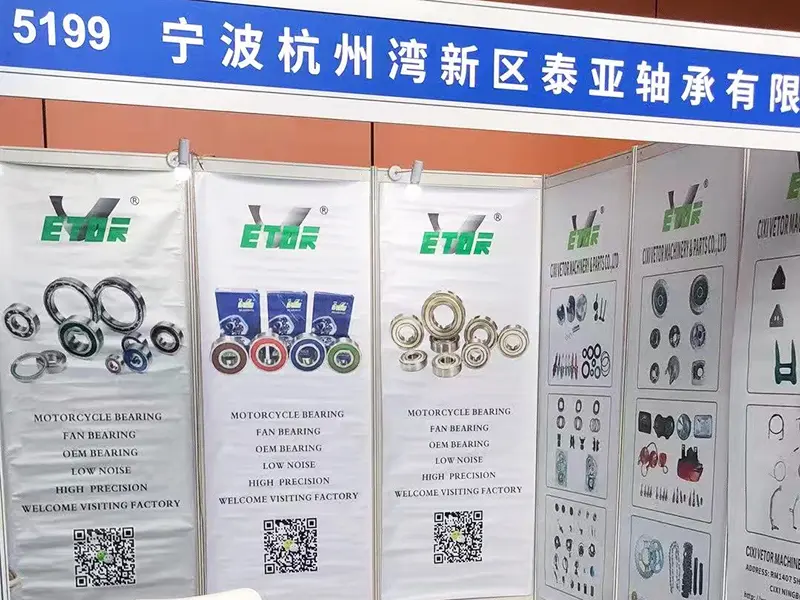
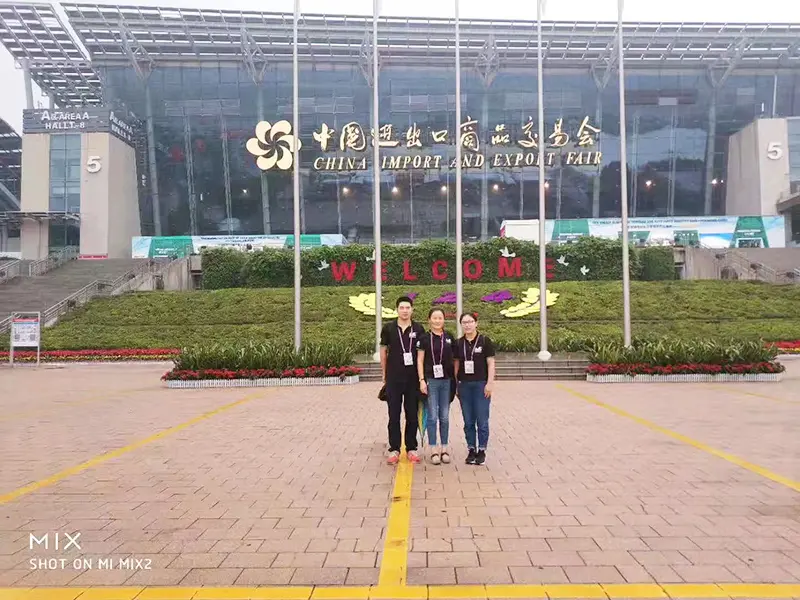
As a comprehensive supplier, VETOR GROUP structures its engineering capabilities across several core mechanical divisions. Explore our main product lines designed to support vehicle manufacturers and aftermarket networks worldwide:
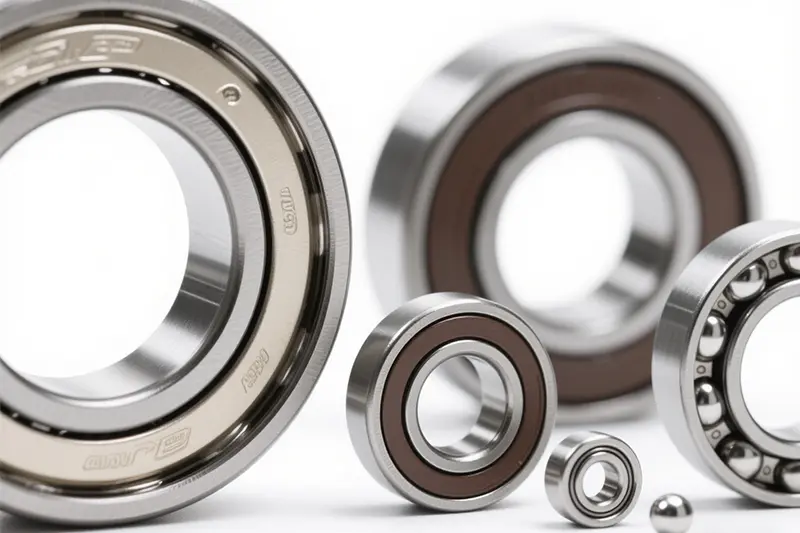
Featuring deep groove configurations and EMQ specifications, our VETOR bearings minimize noise, vibration, and mechanical losses in electric motors, power tools, automotive systems, and medical gear.
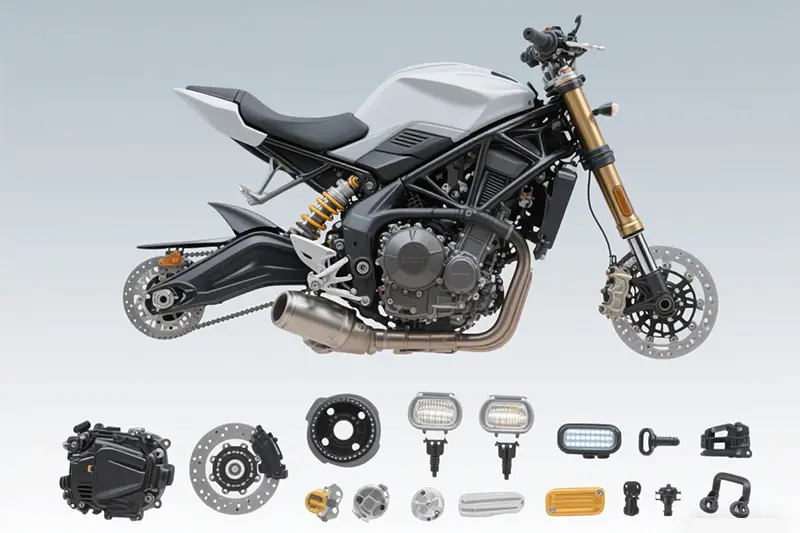
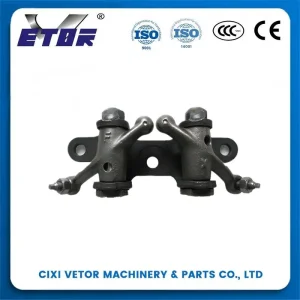
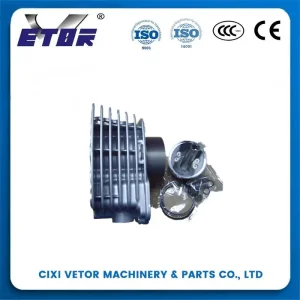
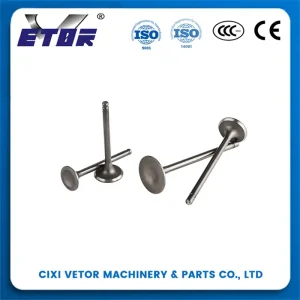
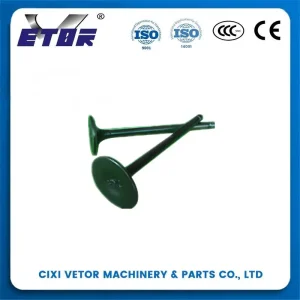
Engineered for high performance, this range includes heavy-duty mechanical brake cables, wear-resistant engine valves, drive chains, cylinder assemblies, rocker arms, and custom suspension elements.
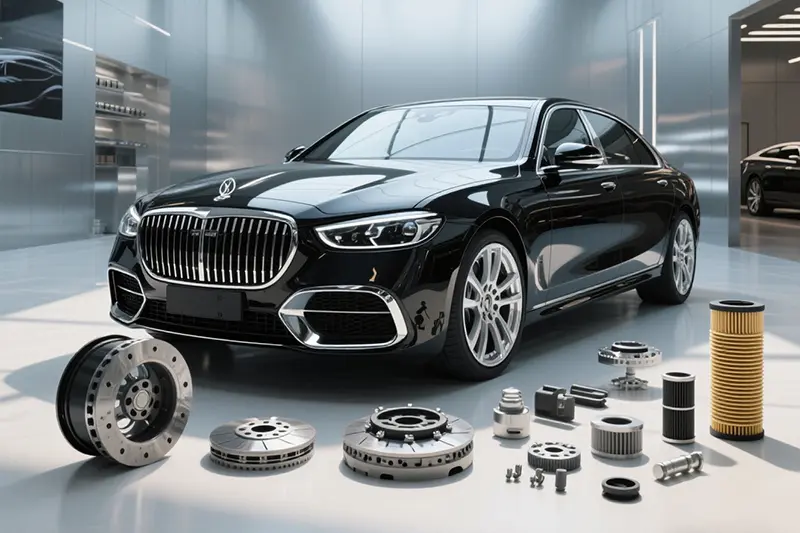
Our automotive catalog features cooling systems, mechanical throttle and brake control lines, steering links, and chassis components built to meet rigorous OEM dimensional standards.
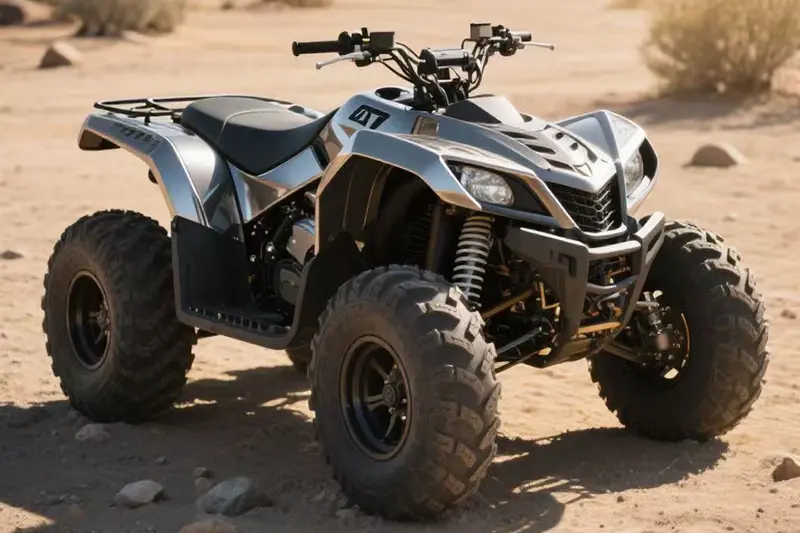
Off-road demands require robust components. We supply heavy-duty control cables, reinforced steering components, drivetrain parts, and weather-resistant electronics for ATVs and UTVs.
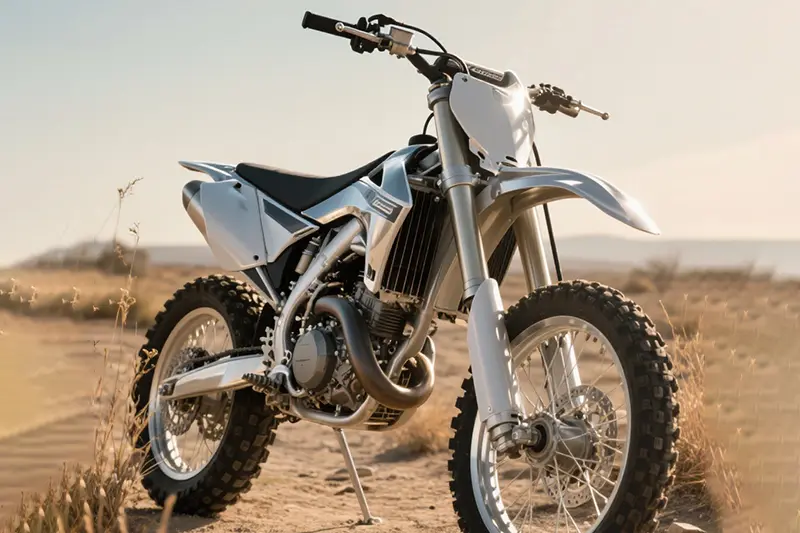
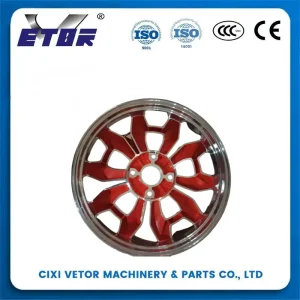
High-tensile throttle and clutch cables, competition-grade exhaust elements, CNC-machined wheels, and lightweight structural pieces designed to withstand extreme dirt track impacts.
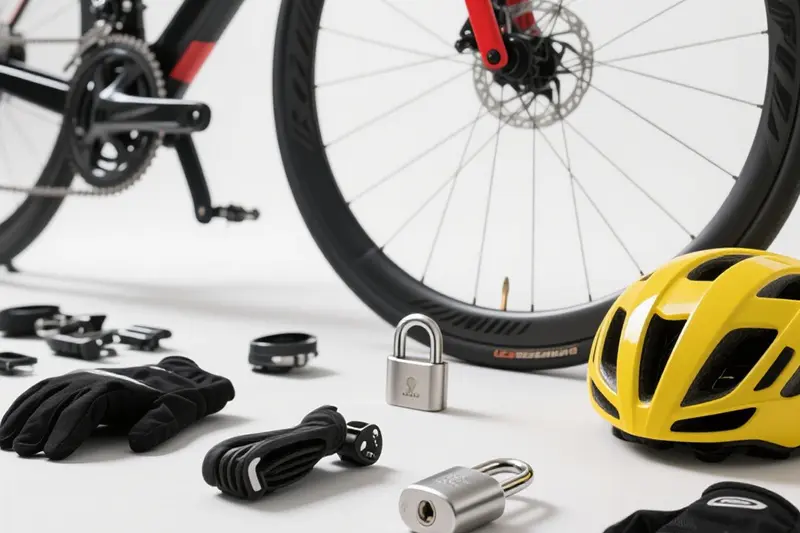
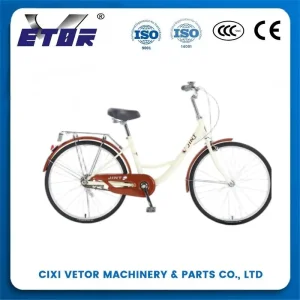
Precision shifting and braking inner wires, slick Teflon casings, aluminum alloy brake assemblies, and lightweight wheel configurations optimized for modern micro-mobility and road cycling.
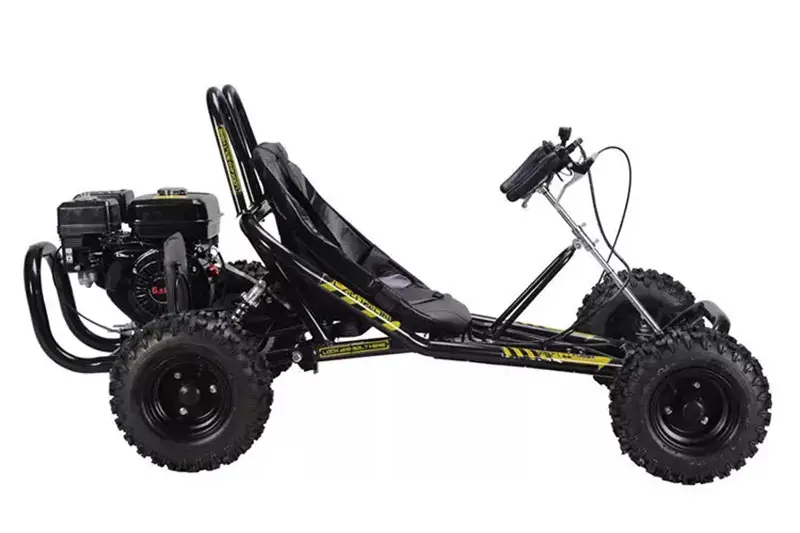
High-torque drive systems, responsive mechanical and hydraulic braking systems, safety linkages, and reinforced chassis cables engineered for recreational centers and professional track applications.
Achieving product quality is only half the challenge; backing it up with responsive, reliable customer service is how we ensure your supply chain operates smoothly:

Our customer support division is available from 8:00 to 17:00 (GMT+8) every Monday through Saturday, providing immediate technical feedback and order updates.
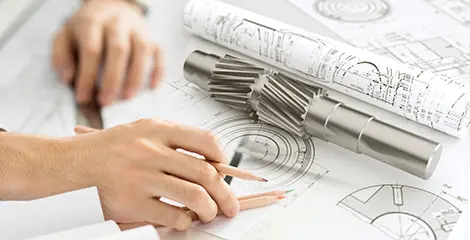
We offer comprehensive OEM/ODM integration. We can modify cable lengths, outer jacket colors, materials, print logos, and custom-mold end fittings to match your exact drawings.
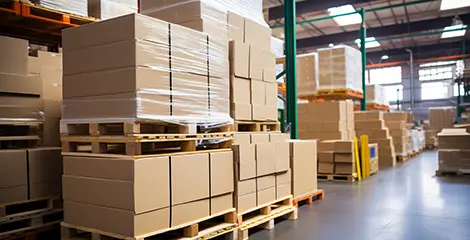
With advanced scheduling systems and strong relationships with major shipping lines, we guarantee that all items are dispatched in accordance with our contract terms.
Industrial control cables perform differently based on their operating environments. Here is how VETOR GROUP customizes mechanical cables to excel across localized sectors:
In regions where dust, humidity, and chemical fertilizers are highly concentrated, traditional control cables can seize up within weeks. We engineer agricultural cables with internal, high-viscosity grease chambers combined with tight-fitting dual lip rubber boot seals. This seals the inner core from fine dust particles and prevents moisture intrusion, ensuring reliable clutch and brake control on tractors and harvesters.
For ATVs and dirt bikes navigating alpine terrains or desert flats, control lines must withstand extreme thermal shifts. Our cables are wrapped in specialty jackets that resist cracking at -40°C and prevent melting or swelling at +120°C. They are combined with high-grade stainless steel cores to withstand heavy mud, river crossings, and sand abrasion.
With the rise of rental electric bikes and cargo scooters in major cities, brake lines must handle thousands of stops every single day. For this sector, we focus on high fatigue life (tested up to 300,000 continuous activations) and pre-stretched inner wires to eliminate the typical "cable stretch" phase, reducing maintenance intervals for fleet operators.
 VETOR GROUP