Explore our high-performance spare parts and bearing catalog designed to keep dynamic machinery moving with minimal friction and maximum durability.
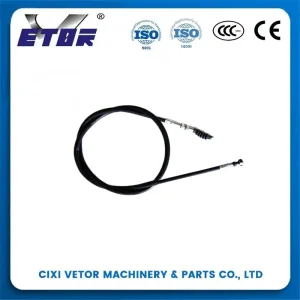
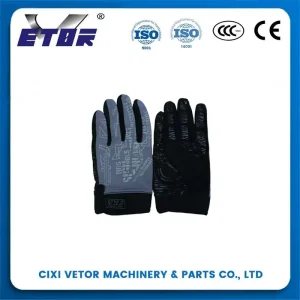
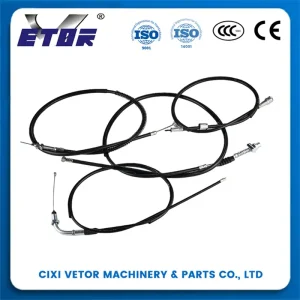
Founded in 2005, VETOR GROUP has grown to become a comprehensive foreign trade and manufacturing powerhouse specializing in high-performance automotive, motorcycle, and industrial components. Headquartered in Cixi City, China—the industrial hub situated along Hangzhou Bay—we benefit from unprecedented logistics advantages. We are positioned less than a 90-minute drive from Hangzhou Xiaoshan International Airport and Ningbo Lishe International Airport, and offer seamless access to two of the world's most active maritime centers: Shanghai Port and Ningbo Port.
Our operational framework is structured to serve global OEMs, Tier-1 distributors, and large-scale industrial buyers. We export our entire range worldwide, governed by strict compliance with the ISO9001:2015 international quality standard. By unifying engineering excellence with logistical efficiency, VETOR GROUP ensures that global supply chains remain reliable, resilient, and highly cost-effective.
Analyzing critical components, electrical parameters, thermal dissipation structures, and manufacturing processes defining high-efficiency voltage regulators.
In modern two-wheeler engineering, the motorcycle regulator rectifier occupies a pivotal position. It acts as the gatekeeper between the alternating current (AC) generated by the magneto stator and the direct current (DC) required to charge the battery and power electronic sub-systems, such as Electronic Fuel Injection (EFI), LED headlights, and digital instrument clusters. Without highly precise and reliable regulation, electrical surges would rapidly degrade the battery chemistry and destroy sensitive solid-state circuitry.
Historically, manufacturers relied on Silicon Controlled Rectifier (SCR) shunt regulators. An SCR-based system shunts excess power directly to the ground to maintain a target voltage (typically between 13.5V and 14.8V). However, this method generates immense internal heat within both the stator coils and the regulator housing itself, leading to premature component failure under sustained high-load conditions.
VETOR GROUP's technical roadmap prioritizes MOSFET (Metal-Oxide-Semiconductor Field-Effect Transistor) technology. MOSFETs switch state much faster and feature substantially lower internal resistance (R_DS(on)) than SCRs. By minimizing internal switching and conduction losses, MOSFET regulators run cooler, deliver a significantly cleaner DC output with reduced voltage ripple, and optimize the overall efficiency of the motorcycle's alternator, reducing mechanical drag on the engine.
Traditional architecture that shorts unused electrical power to ground. High heat generation, higher voltage ripple, and thermal stress on stator windings.
Advanced switching with low on-state resistance. Dramatically lowers operating temperatures by up to 30°C, offering stable voltage delivery to EFI and electronics.
Disconnects the stator windings when voltage peaks, eliminating stator heat buildup. Ideal for high-performance sports and adventure motorcycles.
The primary failure mode of any automotive regulator rectifier is thermal runaway. As the unit converts high-frequency AC to DC, diodes and switching transistors produce heat. To mitigate this, VETOR's manufacturing processes employ high-conductivity aluminum alloy heatsinks designed with optimized fin geometry to maximize convective surface area.
Furthermore, internal electronics are completely encapsulated using high-grade, thermal-conductive epoxy potting compounds. This compound serves two vital purposes: it provides a rapid thermal path from the silicon dies to the outer aluminum shell, and it seals the circuitry against moisture, dust, vibration, and mechanical shock, meeting IP67 protection ratings. For global sourcing managers, specifying the right thermal materials is critical to achieving long-term warranty cost reductions.
Analyzing key procurement metrics, global regulatory compliance, and localized supply chain strategies for volume purchasers.
Global procurement of motorcycle components requires strict adherence to strict technical standards and reliable shipping networks. Procurement teams must balance initial piece-price cost with total cost of ownership (TCO), warranty return rates, and supply chain responsiveness. VETOR GROUP addresses these demands by offering factory-direct logistics, custom OEM/ODM packaging, and rapid prototyping capabilities.
Our production facilities utilize automated testing benches for 100% End-of-Line (EOL) testing. This ensures each unit's output voltage curve is verified under load before packaging.
We support starting runs of 1,000 pieces for OEM clients. This reduces upfront inventory carrying costs while enabling regional customization of connectors and mounting brackets.
Leveraging our location near Ningbo and Shanghai ports, we complete transit booking rapidly. Orders typically ship within 7-20 days, cutting down global distributor lead times.
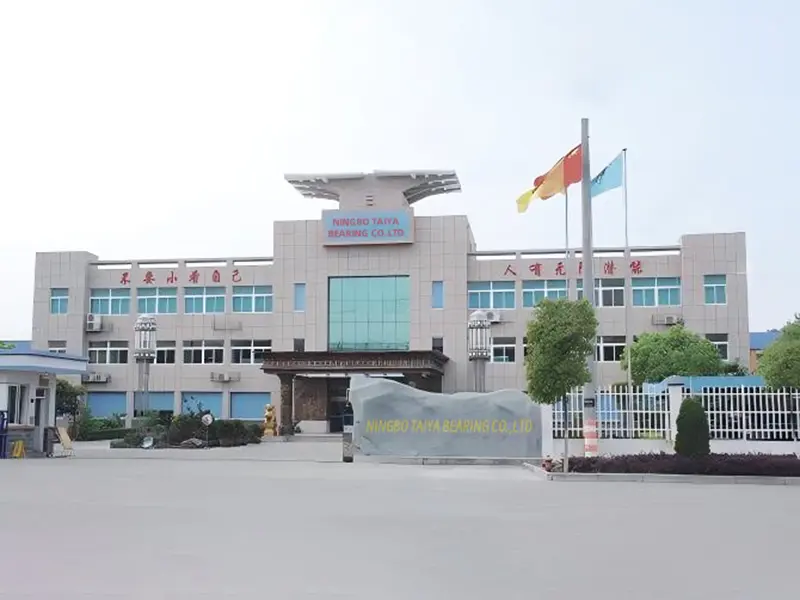
VETOR GROUP's state-of-the-art manufacturing facilities, combining precision engineering with automated assembly lines.
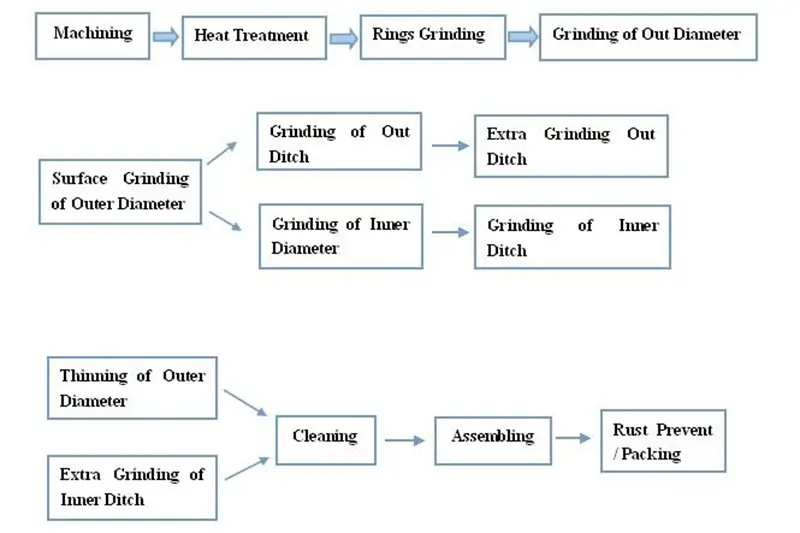
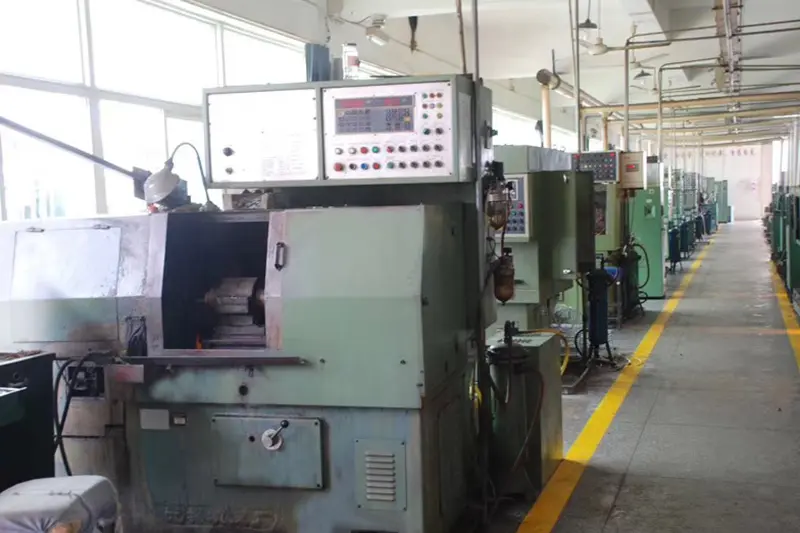
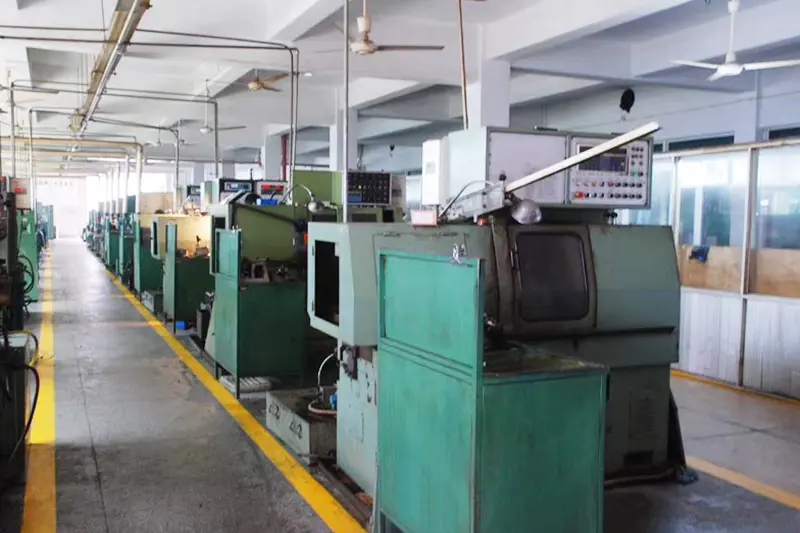
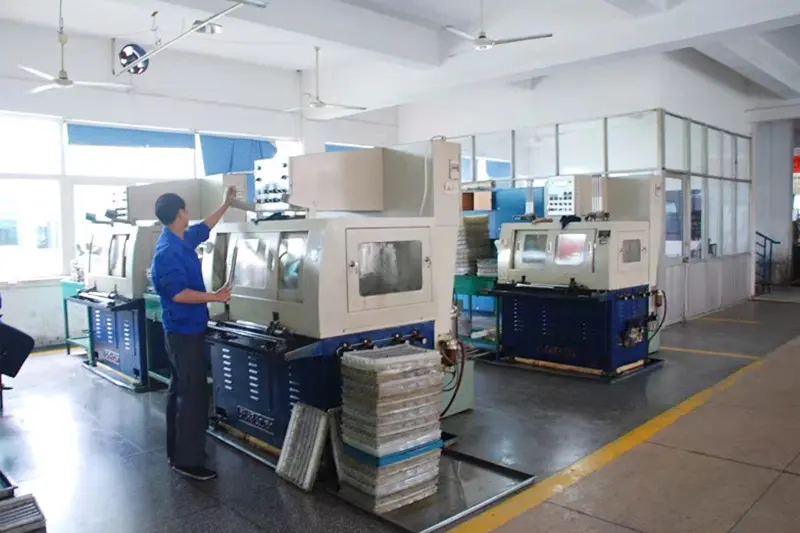
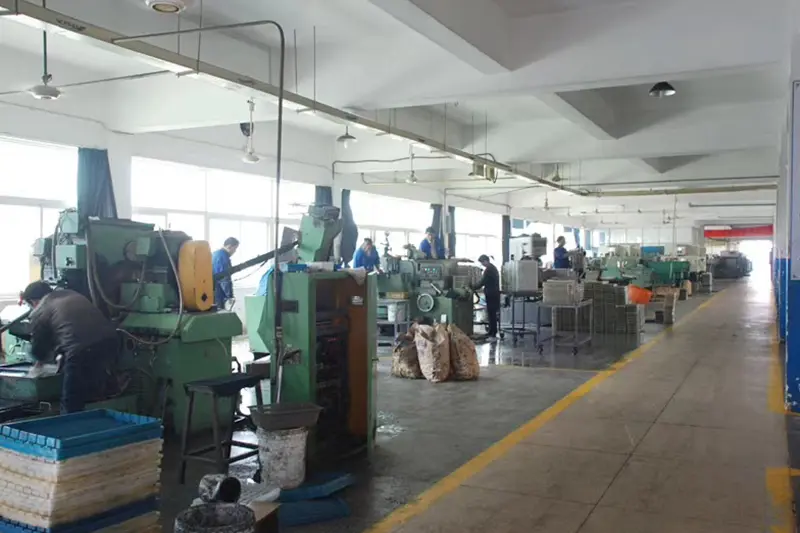
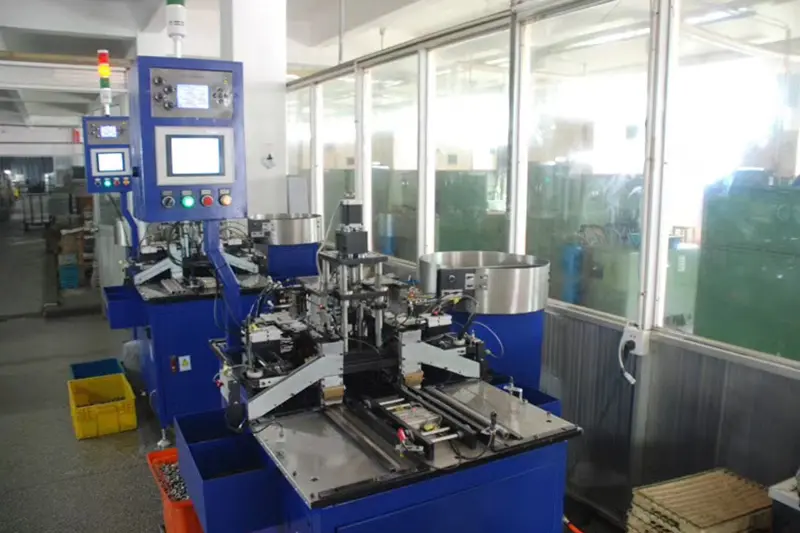
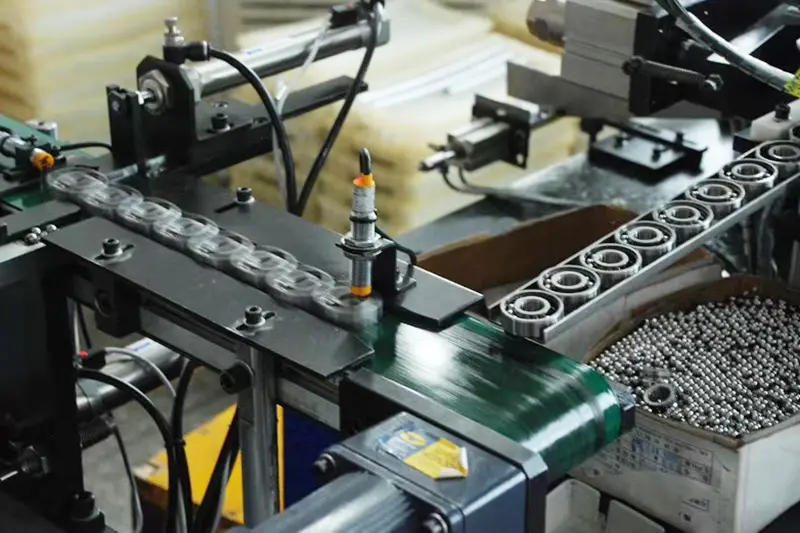
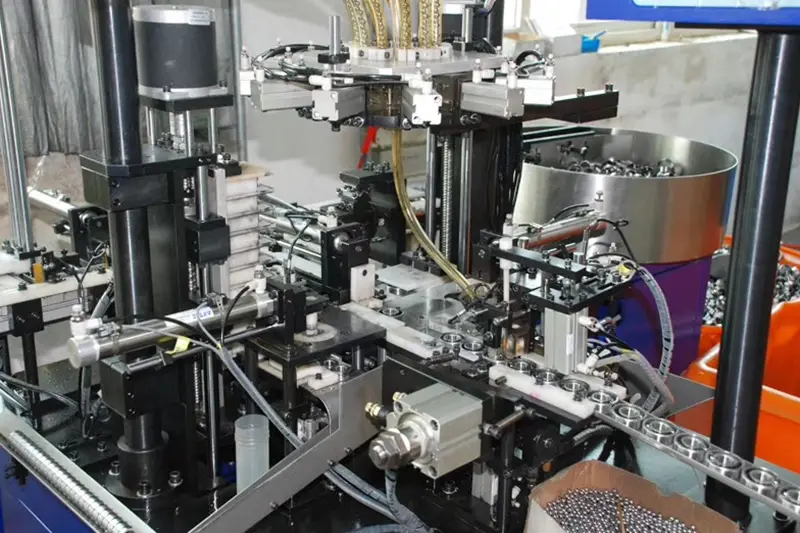
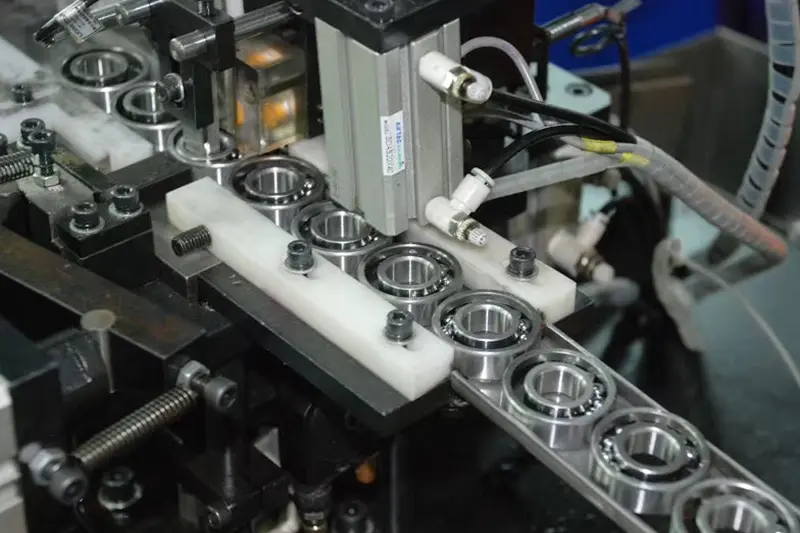
Our in-house manufacturing facility specializes in the production of deep groove ball bearings and EMQ grade bearings, with inner ring dimensions ranging from 6mm to 90mm. We place strong emphasis on brand development, and our VETOR brand bearings are known for their:
These specialized bearings are widely utilized in electric fans, home appliances, micro-motors, motorcycles, medical instruments, sports machinery, and agricultural vehicles worldwide.
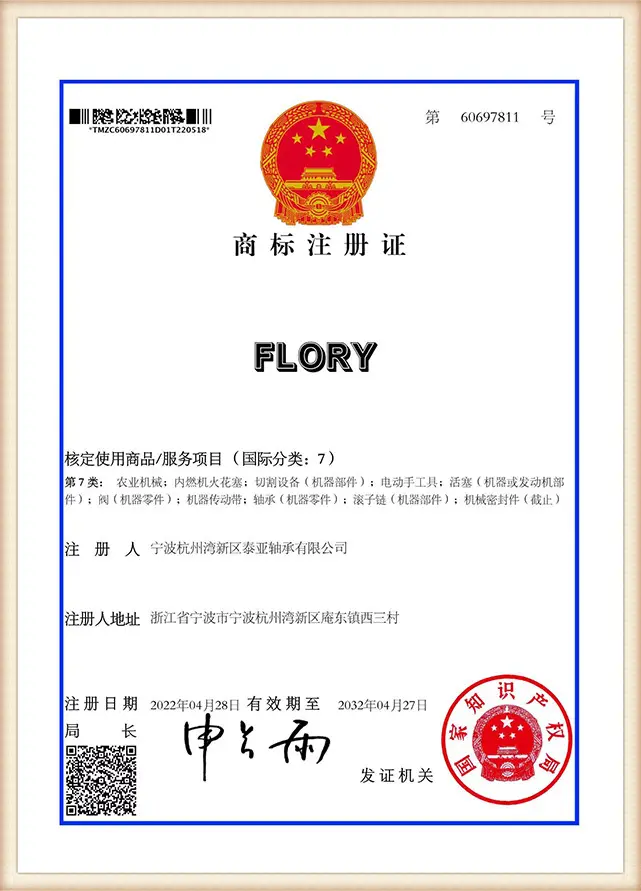
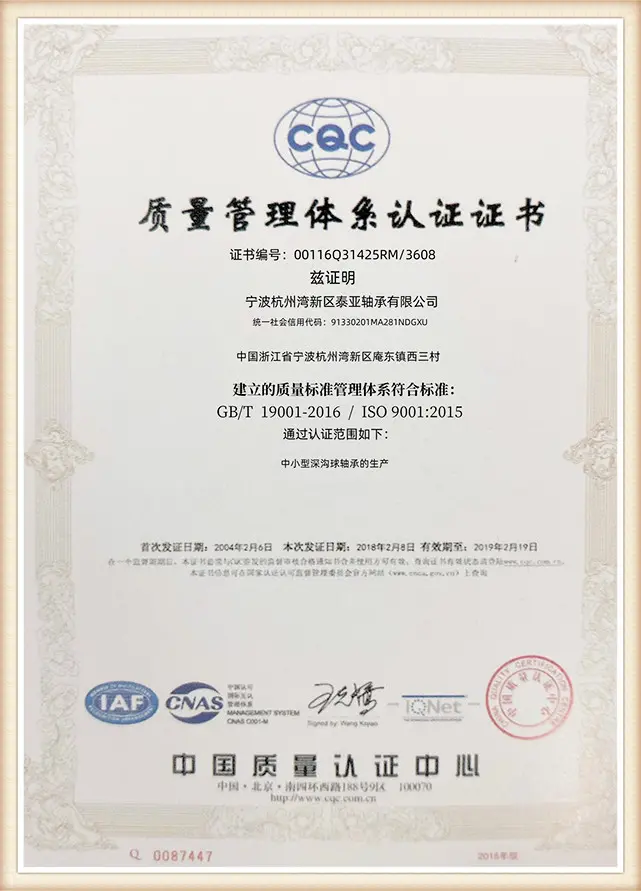
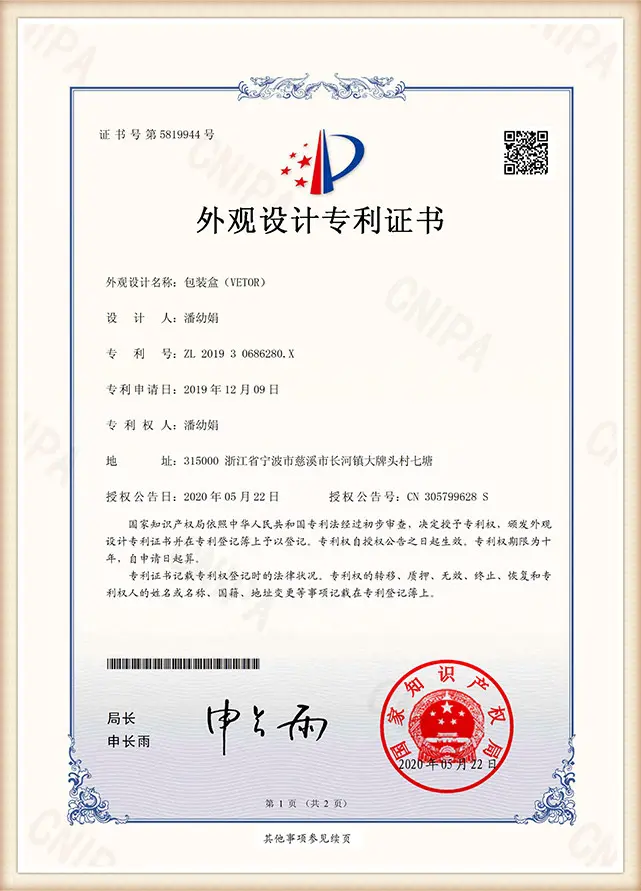
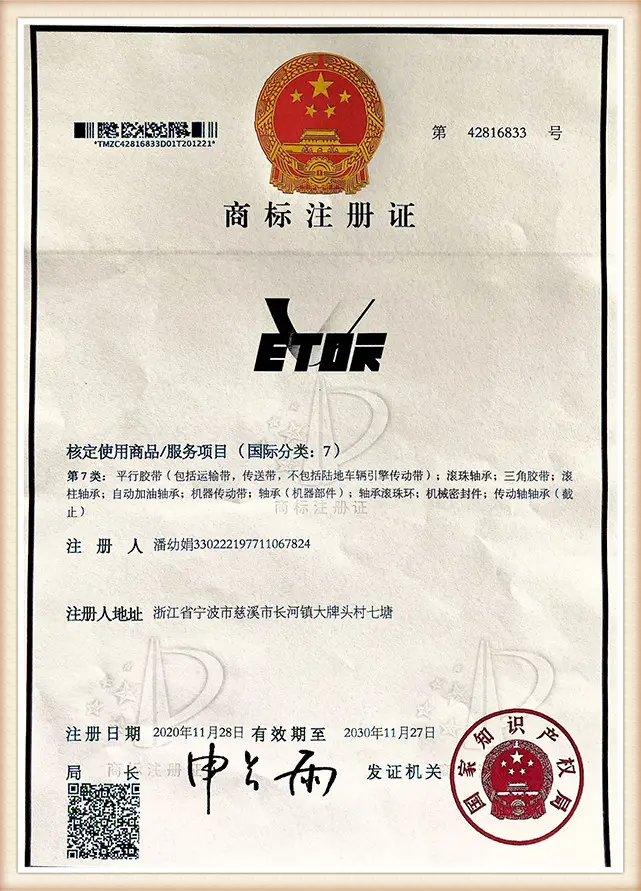
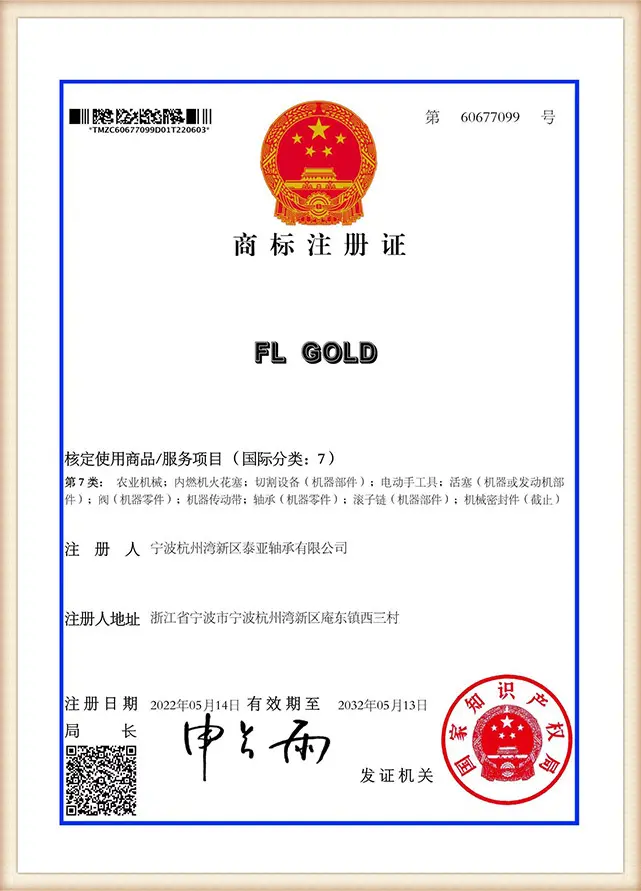
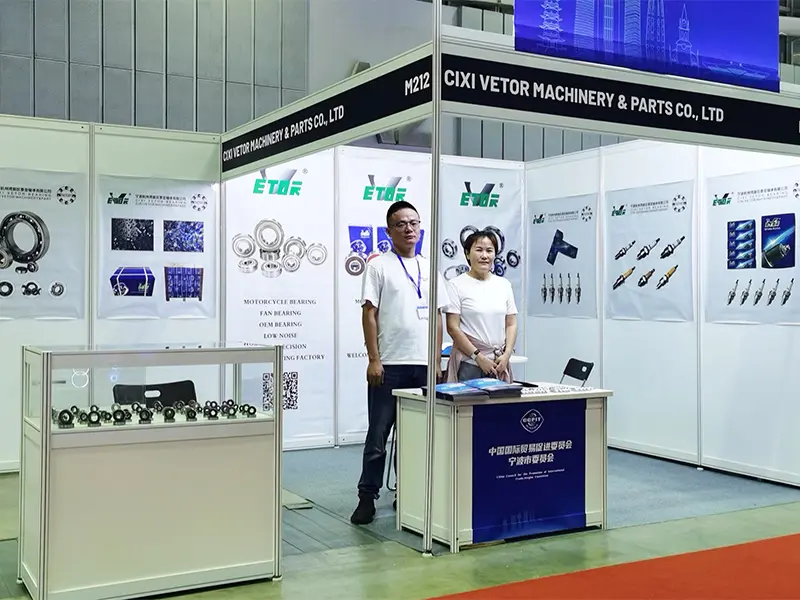
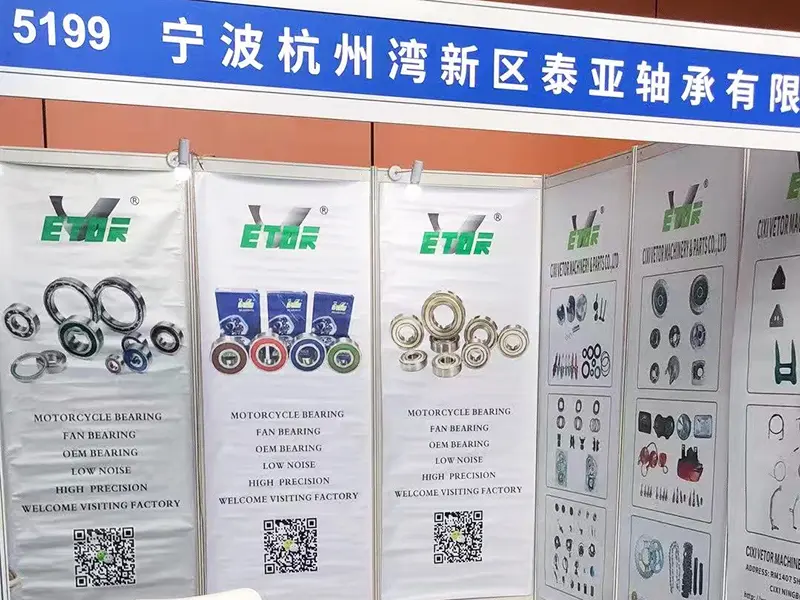
Connecting with clients globally and offering diverse solutions across Automotive, Motorcycle, and Off-road applications.
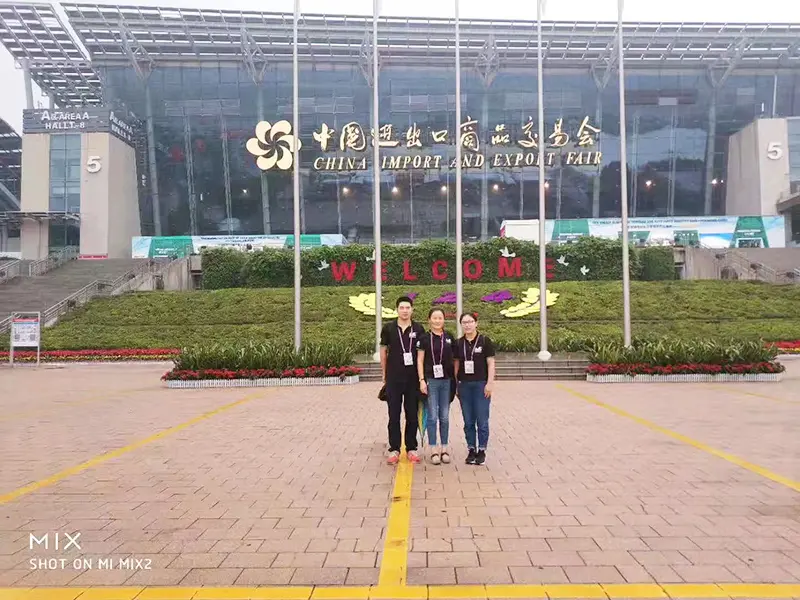
Our export profile spans several key automotive sectors, ensuring our partners can procure diverse packages from a single qualified vendor. By cross-integrating bearings, structural castings, electrical systems, and driver safety gear, we minimize supply chain friction.
High-durability EMQ bearing systems for wheels, alternators, and gearboxes.
From drive chains and brake pads to electrical voltage regulators.
Heavy-duty CV shafts, suspension arms, and sealed electrical units.
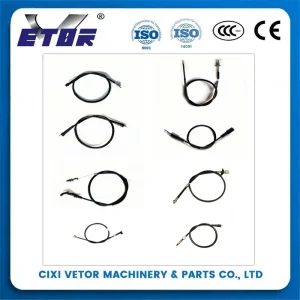
Lightweight aluminum hubs, bottom brackets, and wear-resistant cables.
A closer look at the materials, properties, and applications of our primary product lines manufactured under ISO9001 standards.
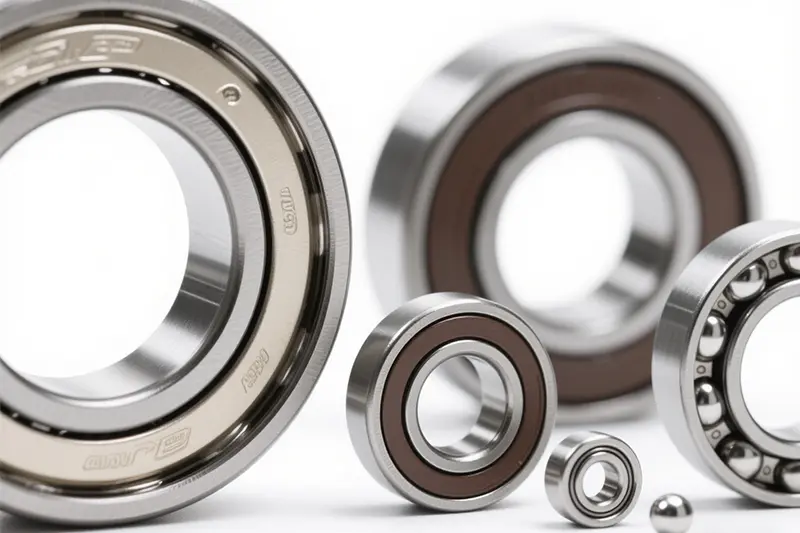
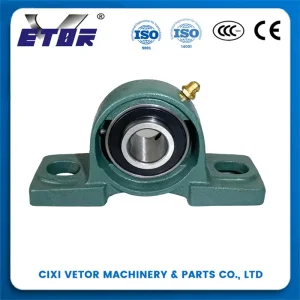
Engineered with chrome steel (GCr15) or specialized ceramic compounds. Features deep-groove layouts with low vibration and long-life lubrication designed for high-RPM operation in electric motors and hubs.
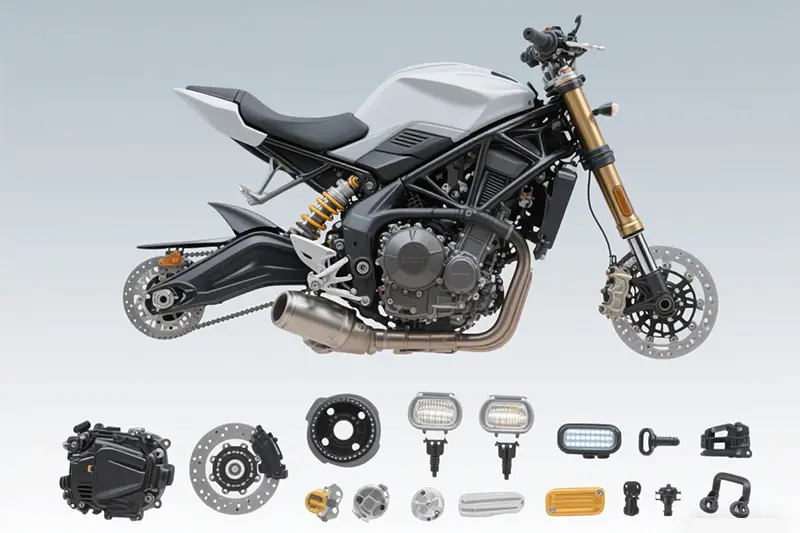
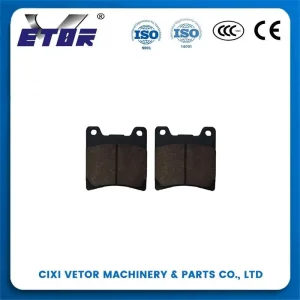
Including braking systems, chain drives, clutches, and electrical regulators. Every batch undergoes strict quality control checking to meet or exceed OEM specifications for aftermarket stability.
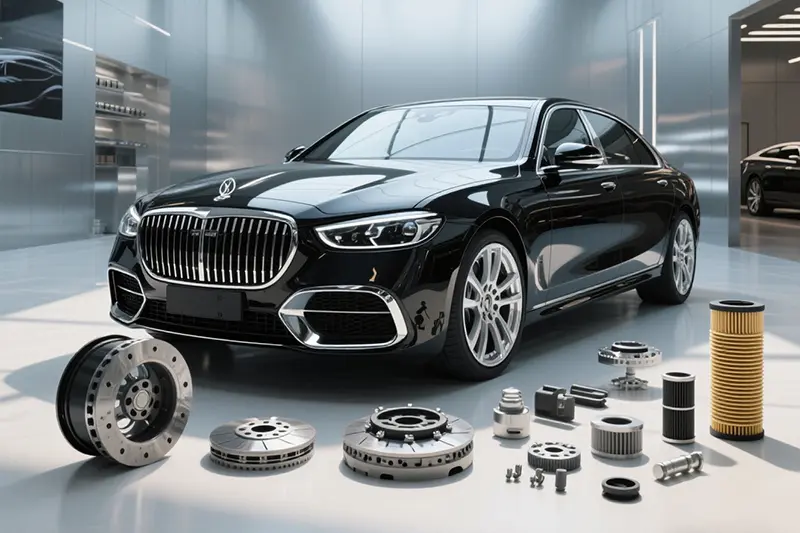
Steering linkage components, water pumps, tensioner bearings, and suspension control arms. Built for passenger and commercial vehicle chassis, focusing on fatigue resistance and environmental sealing.
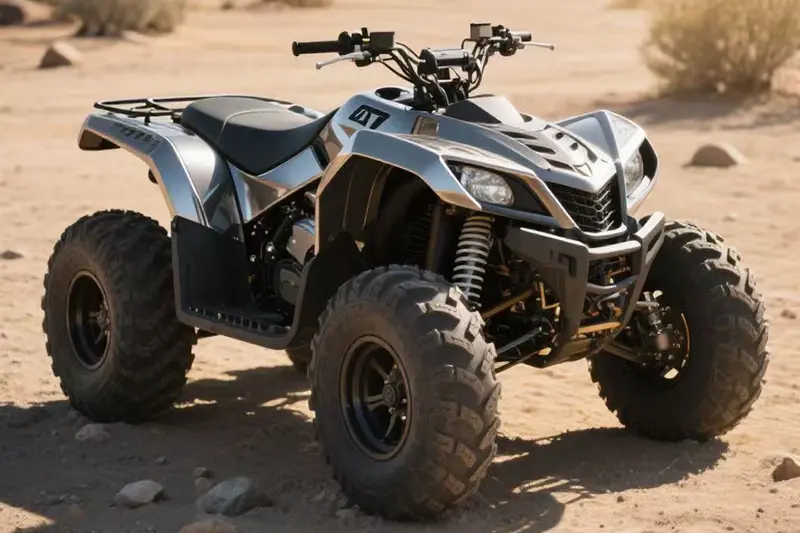
Heavy-duty CV joints, suspension bushings, and structural guards designed to withstand extreme torque, moisture ingress, and high-impact conditions typical of off-road driving.
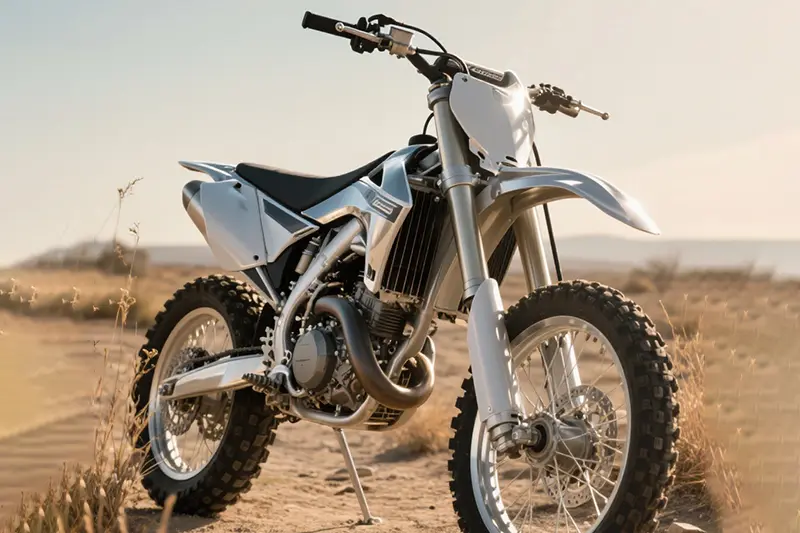
High-tensile sprockets, drive belts, fork seals, and electrical ignitions optimized for competition-level performance, dirt isolation, and weight optimization.
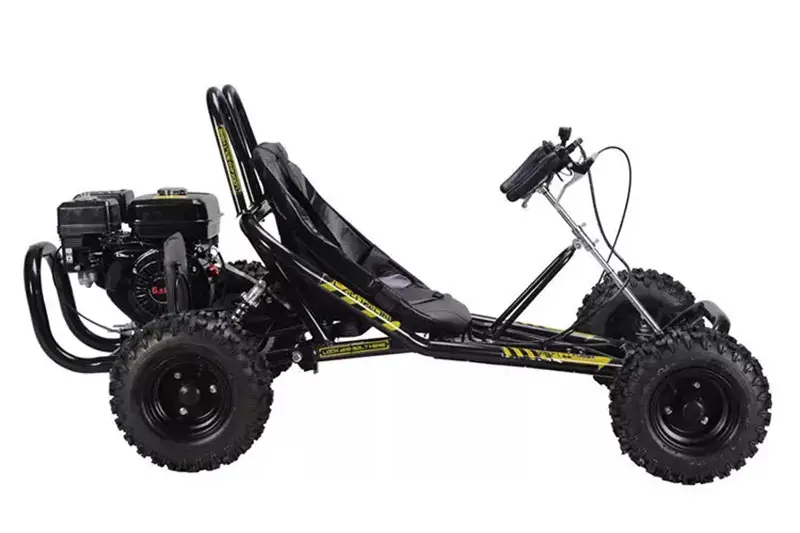
Chassis steering joints, high-heat brake pads, and sprocket hubs. Designed for racing applications requiring high feedback and repeatable mechanical tolerances.
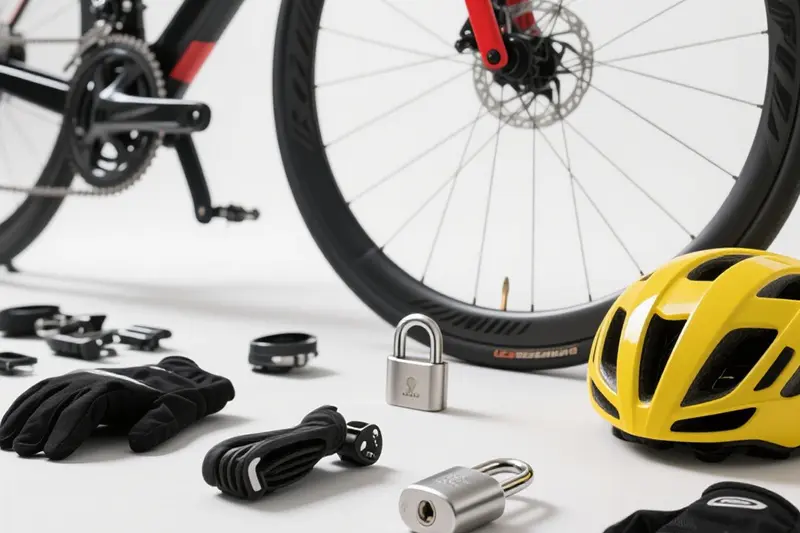
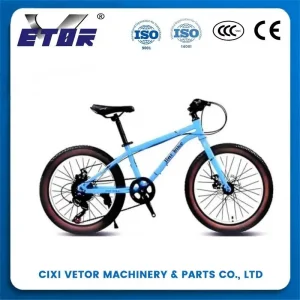
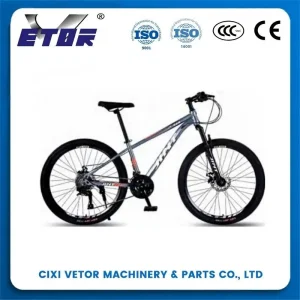
Precision-drawn steel and aluminum frames, micro-adjustment gear shifters, cable lines, and hubs. Serving both commuter transport and off-road mountain biking segments with a focus on ergonomics and safety.
Beyond manufacturing, VETOR GROUP provides comprehensive services ensuring supply chain continuity and technological support.

Our sales and support teams operate from Monday to Saturday to handle shipping requests, custom clearance documents, and product inquiries, minimizing time-zone delays.

We work from engineering drawings (CAD/STEP) to customize housing patterns, cooling fins, lead-wire configurations, and connector pins for any model of motorcycle regulator.

We maintain fixed production blocks for returning contract clients. This guarantees shipment departures from Ningbo or Shanghai match agreed-upon delivery schedules.
How shifting emission guidelines and electronic integration shape the future of voltage regulation components.
As the international motorcycle industry faces stricter carbon-reduction targets, two key trends are redefining voltage regulation components: the integration of Electronic Fuel Injection (EFI) in emerging markets, and the growth of electric two-wheelers (E-mopeds and electric motorcycles). Traditional carbureted motorcycles required only rudimentary electrical support. In contrast, modern EFI systems demand absolute voltage consistency. Any ripple above ±0.2V can cause erratic readings in microcontrollers, fuel injectors, and oxygen sensors, leading to engine stalling or increased emissions.
Our R&D team is actively designing the next generation of Smart Regulators. These devices incorporate CAN-bus communication modules to communicate real-time health data to the motorcycle's central ECU. By monitoring charging rates and thermal conditions, the ECU can predict battery failures before they occur. Additionally, as we transition towards electric drivetrains, VETOR is developing high-efficiency DC-DC converters that step down high battery pack voltages (e.g., 72V or 96V) to power standard 12V auxiliary equipment. This ensures VETOR GROUP remains at the forefront of the two-wheeler energy transition.
Addressing the critical engineering and sourcing challenges faced by global procurement managers and distributors.
The main indicators include battery overcharging (voltage exceeding 15V, which causes battery swelling or acid leakage), battery undercharging (voltage stays below 12.8V, preventing the battery from charging), dim or flickering headlights, and rough engine performance under high loads. In modern EFI engines, a failing regulator can trigger false engine warning codes due to inconsistent voltage feeding into the ECU.
MOSFETs function as active switches with extremely low internal resistance. In comparison, traditional SCR (Silicon Controlled Rectifier) shunt designs generate significant heat as they direct excess current back to ground. By switching faster and cooler, MOSFET regulators operate at lower temperatures, reduce electrical load on the stator, and provide stable, clean DC power suitable for modern electronics.
We operate under a strict ISO9001 certified quality framework. Every manufacturing run is subjected to automatic End-of-Line (EOL) testing on dynamic simulation benches. We verify thermal conductivity, current limits, and voltage regulation thresholds. Additionally, we use high-conductivity potting compounds to protect internal components against moisture, salt spray, and vibration.
Yes. As a key OEM partner, we provide comprehensive customization support. Customers can specify harness lengths, wire gauges, protective sleeving (such as high-temperature fiberglass or PVC), and original connector terminals (such as Sumitomo, Delphi, or Yazaki) to ensure plug-and-play compatibility on the vehicle assembly line.
Our facility is located in a major industrial hub with easy access to both Ningbo Port and Shanghai Port, which are key global shipping terminals. This proximity reduces overland transit costs, simplifies customs procedures, and cuts ocean freight booking times, allowing us to ship standard bulk orders within 7-20 days.
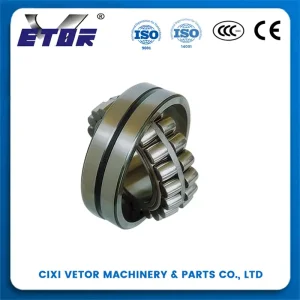
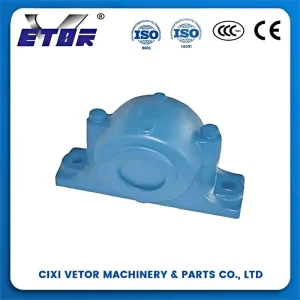
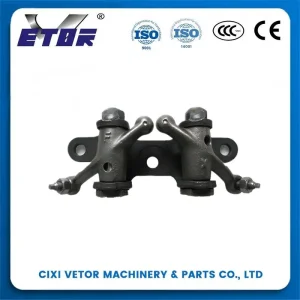
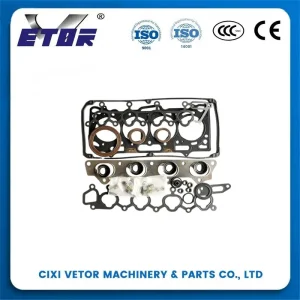
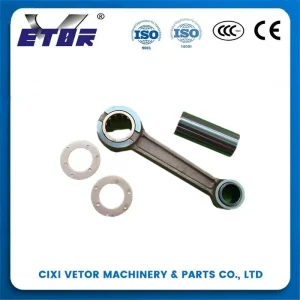
Browse our extensive selection of bearings, structural blocks, connection rods, and vehicle components for global distribution.
 VETOR GROUP