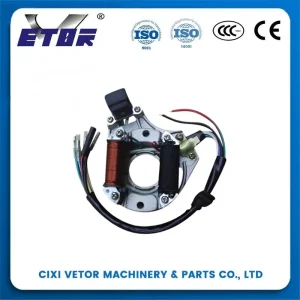
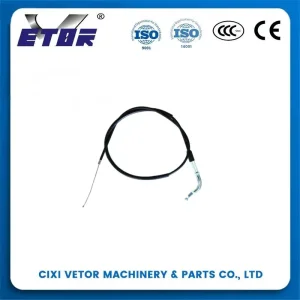
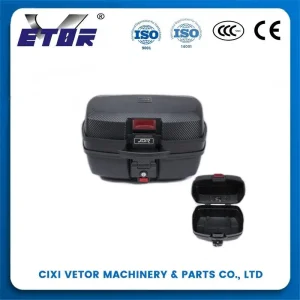
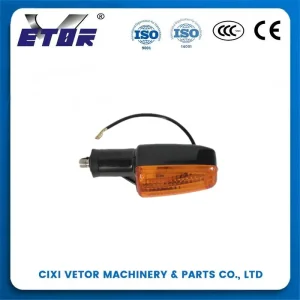
Explore our diverse components engineered to meet global quality benchmarks and rigorous operational standards.
In modern industrial applications, standard chrome steel bearings often fall short when subjected to high rotation speeds, corrosive chemical environments, magnetic fields, and extreme temperature gradients. The emergence of Precision Ceramic Bearings has revolutionized industrial manufacturing, aerospace, and medical engineering. By utilizing advanced ceramics such as Silicon Nitride (Si3N4), Zirconia (ZrO2), and Alumina (Al2O3), manufacturers can now achieve mechanical properties that were previously impossible.
As a leading comprehensive foreign trade group established in 2005, VETOR GROUP has built specialized manufacturing processes to address these requirements. Leveraging strategic locations in Cixi City with direct access to Ningbo and Shanghai Ports, we export ISO9001 certified components worldwide. In this whitepaper, we dissect the molecular structures, engineering design benefits, and real-world industrial systems optimized by ceramic bearings.
Choosing the correct ceramic compound is critical for specific engineering applications. Here is an in-depth breakdown of technical performance properties.
| Property Description | Silicon Nitride (Si3N4) | Zirconia (ZrO2) | Alumina (Al2O3) | High Chrome Steel (AISI 52100) |
|---|---|---|---|---|
| Density (g/cm³) | 3.2 (Lightweight) | 6.0 (High density) | 3.9 | 7.8 (Heavy) |
| Thermal Expansion (10⁻⁶/K) | 3.2 (Extremely Stable) | 10.5 | 8.0 | 11.5 |
| Max Temperature (°C) | 1000°C | 500°C | 1500°C | 120°C - 150°C |
| Vibration & Noise | Extremely Low (EMQ Grade) | Very Low | Low | Medium |
| Electrical Resistance | Insulator (Anti-EDM) | Insulator | Insulator | Conductor (Pitting Hazard) |
Key Engineering Insight: Silicon Nitride (Si3N4) bearings weigh 58% less than standard steel bearings, reduce centrifugal force at high RPMs, and are chemically inert. These characteristics make them the premier choice for aerospace gyroscopes, electric vehicle powertrains, and CNC high-speed spindle motors.
Determining the design parameters between hybrid structures and full ceramic integration.
Constructed with high-strength chrome steel rings (inner & outer) paired with ceramic rolling elements (balls). This configuration maintains high structural support from steel rings while using the electrical insulation, low thermal conductivity, and high acceleration limits of ceramic balls. Excellent for high-speed CNC machinery and motors.
Both rings and balls are constructed entirely from ceramic materials (typically ZrO2 or Si3N4) with fluoroplastic (PTFE) or polyether ether ketone (PEEK) cages. They operate completely dry without lubricants, making them ideal for high-vacuum, cryogenic, and highly corrosive chemical applications where grease would degrade or vaporize.
Electric Motor Quality (EMQ) bearings are finished to high precision levels (ABEC 5, 7, and 9) to minimize acoustic output, heat generation, and vibration. VETOR brand bearings emphasize precise roundness and geometric tolerancing to achieve continuous service without early failure.
How precision ceramics solve performance challenges across high-stress environments.
Stray electric currents in electric vehicles can cause electrical arc pitting in steel bearings. Hybrid ceramic bearings provide electrical isolation, eliminating surface damage and extending drivetrain lifespan under variable RPM ranges.
Silicon Nitride bearings resist rust and handle temperature changes from -50°C in aviation systems to elevated values in subsea marine pumps. Low weight reduces gyroscopic moments at high angular velocities.
Medical imaging (MRI machines) requires non-magnetic materials. Full ceramic (ZrO2) bearings operate reliably near high magnetic fields and can withstand chemical washdowns in pharmaceutical and food processing lines.
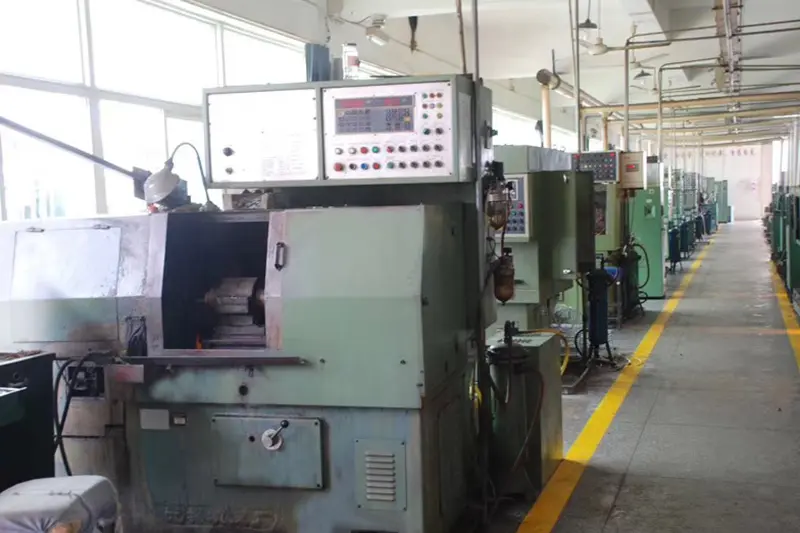
Global supply chains depend on speed and efficiency. Based in Cixi City, Zhejiang Province, VETOR GROUP operates at the center of the world's most dense bearing manufacturing cluster. This localization provides direct advantages:
Our ongoing investments in design and engineering target high-performance industrial requirements.
By blending lubricating materials (like Hexagonal Boron Nitride) into the ceramic matrix during sintering, we are engineering self-lubricating materials that operate under dry conditions without catastrophic wear.
Integrating nano-scale ceramic structures increases fracture toughness. This development allows ceramic balls to withstand sudden shock loads that would cause standard ceramics to chip or crack.
We are developing hybrid smart bearings with built-in sensors. These sensors monitor real-time temperature, vibration, and rotation speeds, enabling predictive maintenance in high-value wind power turbines and aerospace systems.
VETOR GROUP manufactures and supplies specialized components for automotive, industrial, and recreational equipment worldwide.
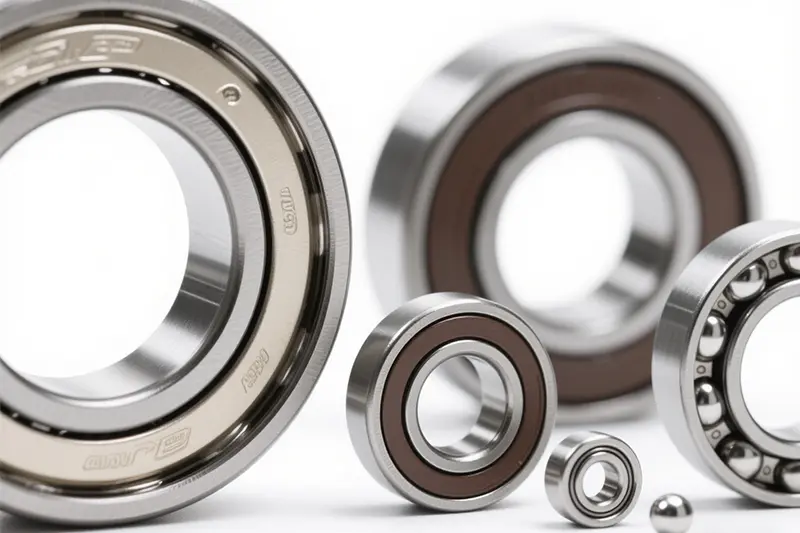
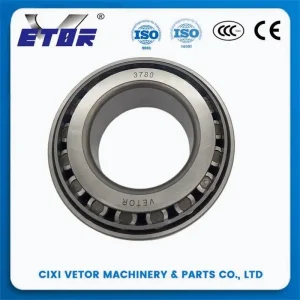
Our VETOR brand features deep groove ball bearings and EMQ grade bearings (6mm-90mm) engineered for low-noise, high-temperature resistance, and high sealing performance.
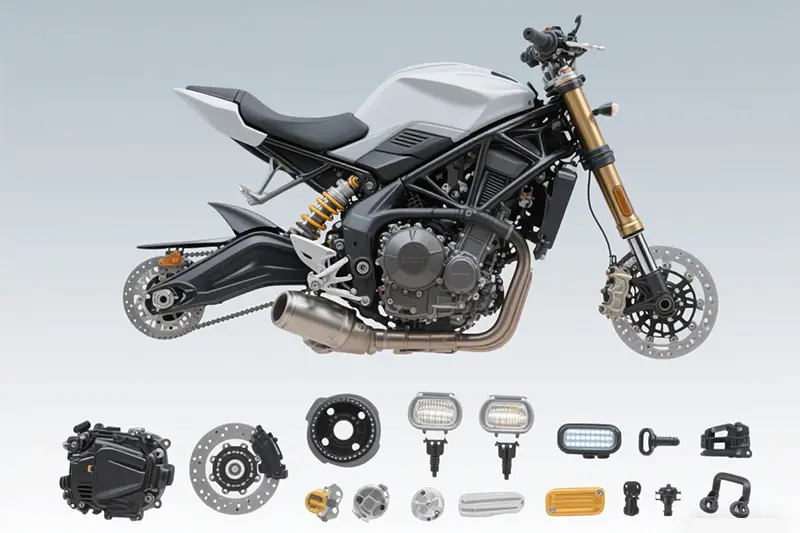
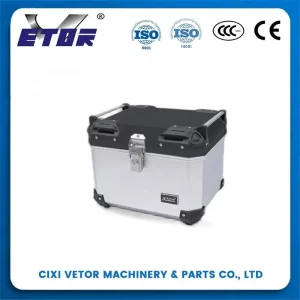
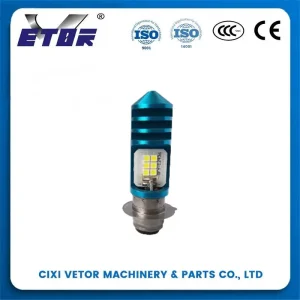
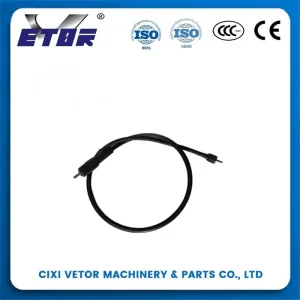
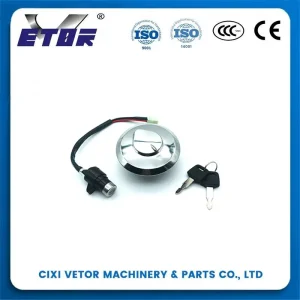
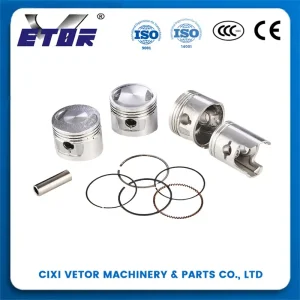
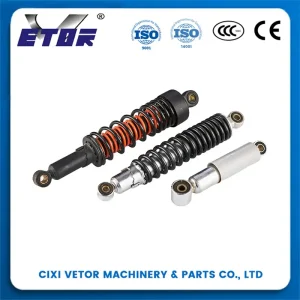
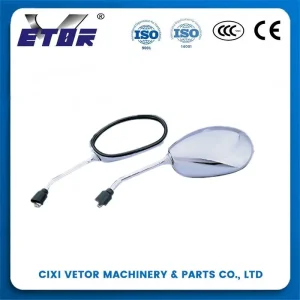
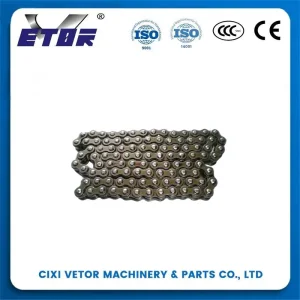
We manufacture reliable components including chain drive systems, brake parts, engine pistons, clutch cables, and shock absorbers engineered to meet OEM quality standards.
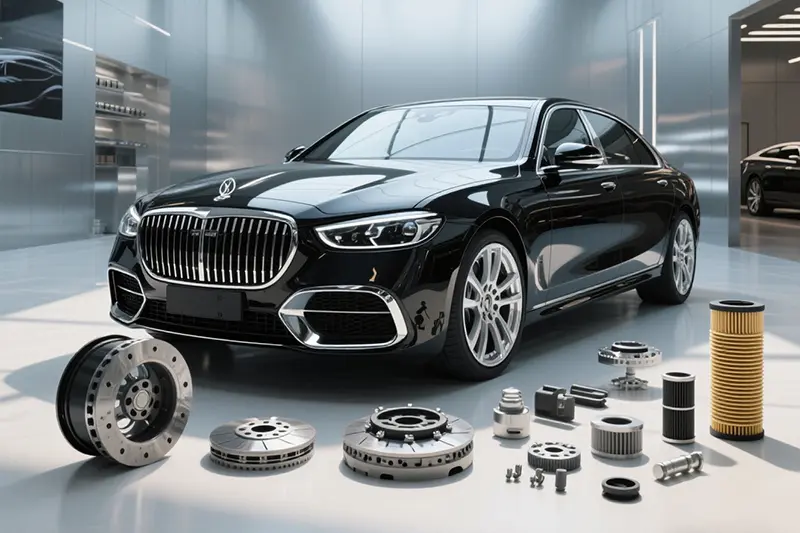
We supply steering and suspension components, cooling system parts, and transmission systems for passenger and commercial vehicle maintenance.
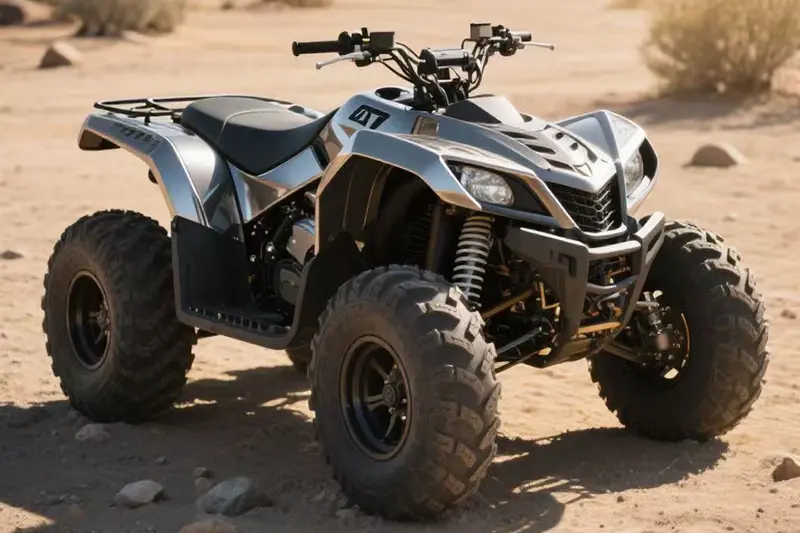
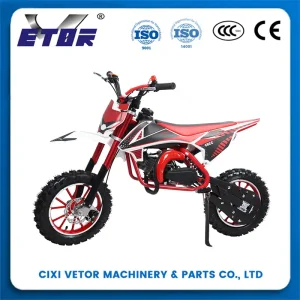
We provide durable suspension elements, drive train parts, and protective body panels designed for off-road environments and high-stress scenarios.
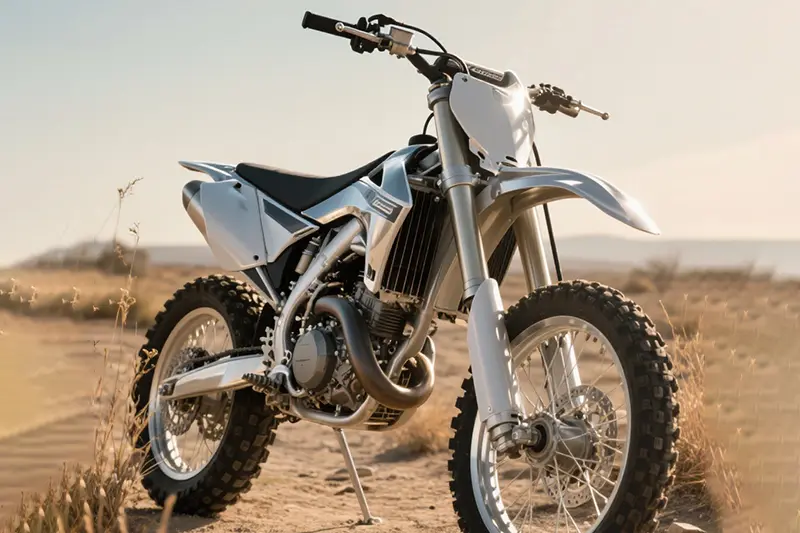
Our lightweight frames, exhaust assemblies, and high-travel suspension setups are designed to perform reliably under competitive riding conditions.
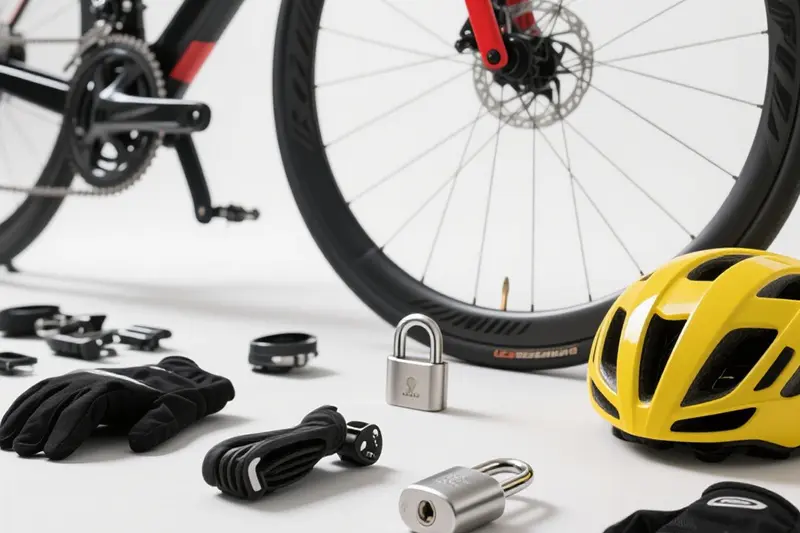
We supply precision go-kart chassis components and bicycle wheelsets, gears, and drivetrains that meet professional racing and recreational requirements.
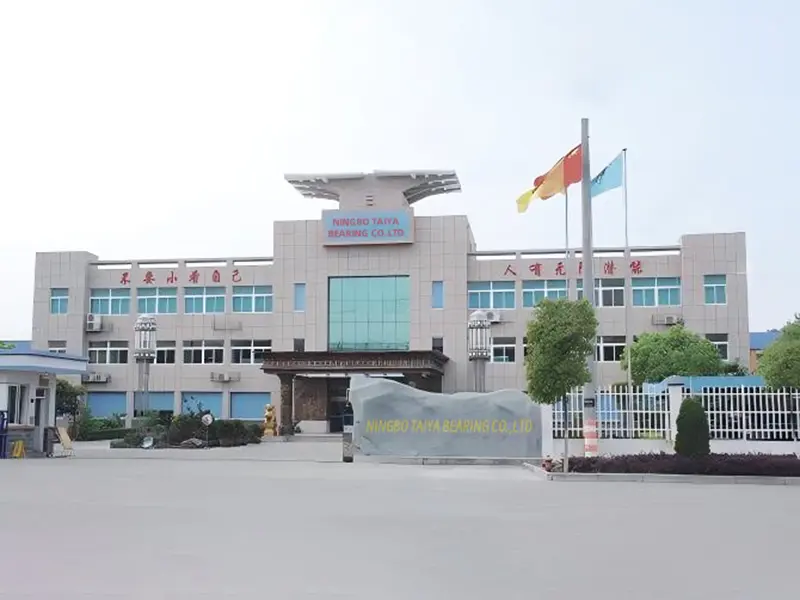
Take a tour of our ISO9001 certified manufacturing facility in Cixi, highlighting our technical equipment and testing laboratories.
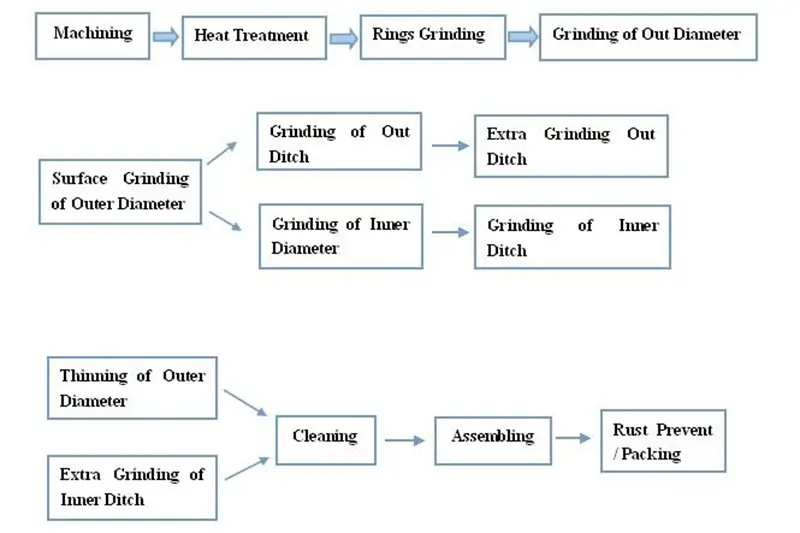
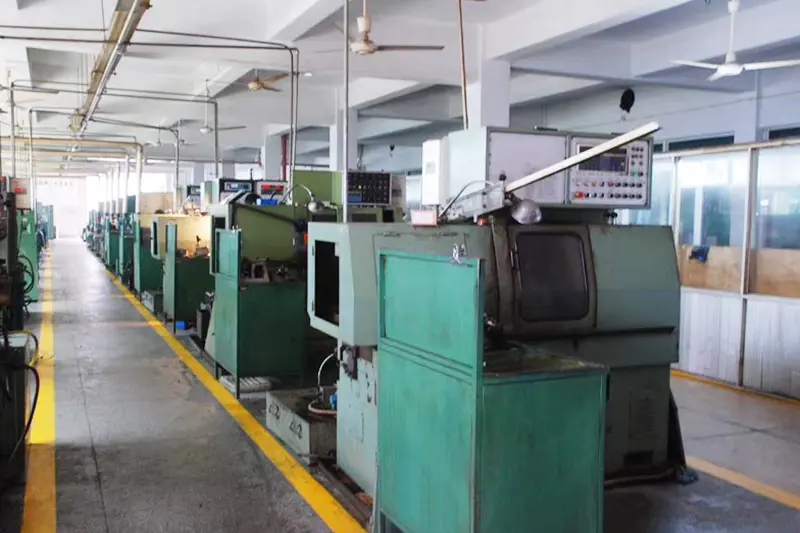
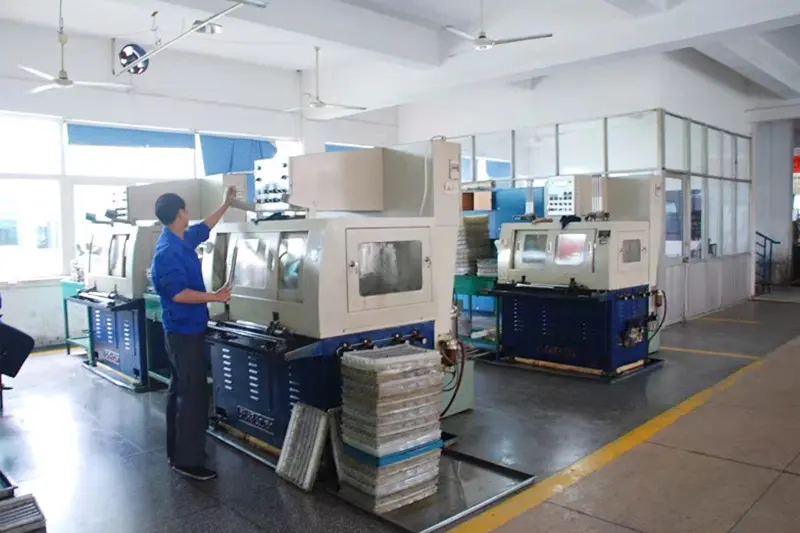
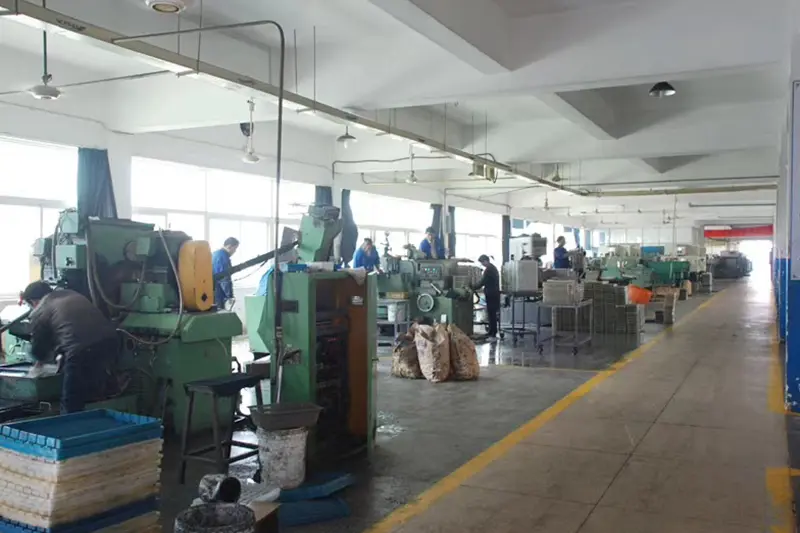
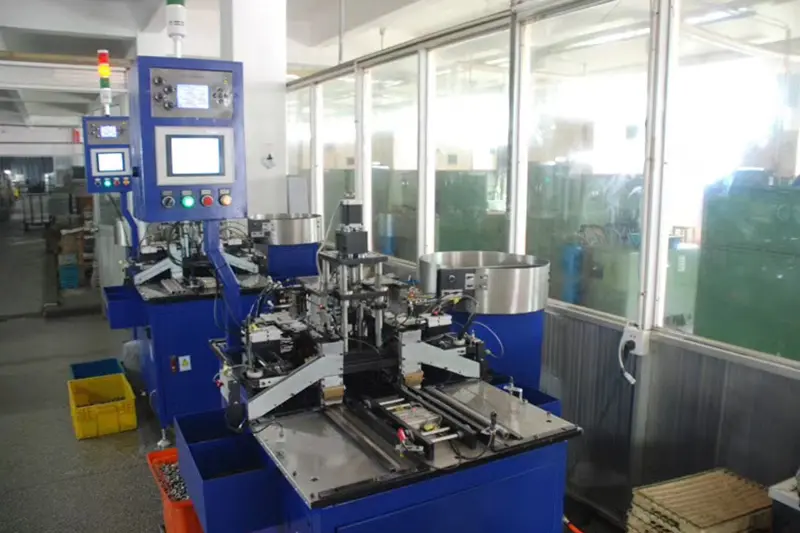
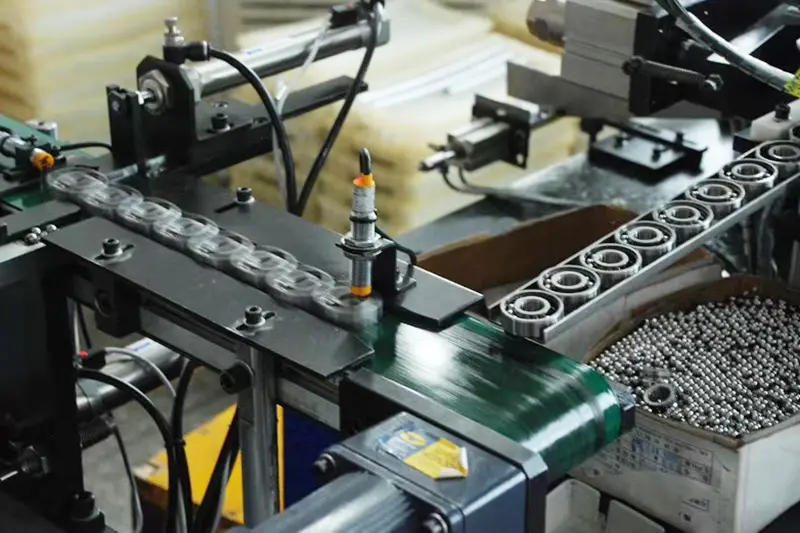
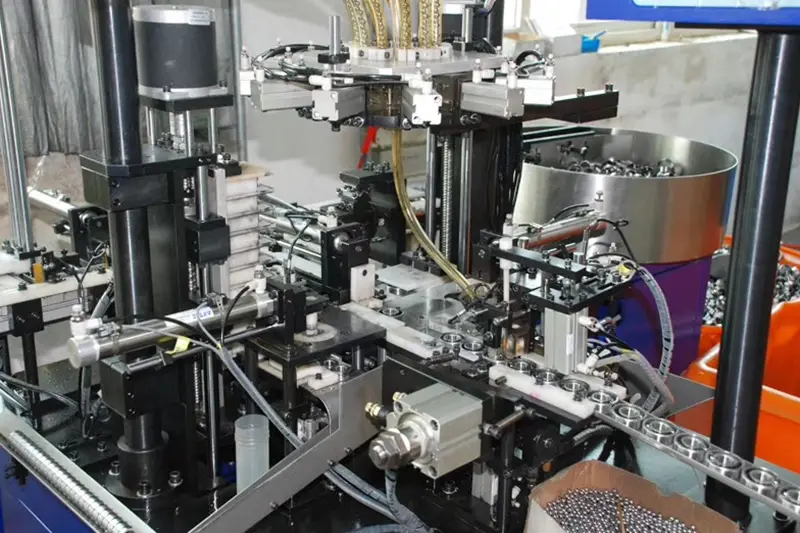
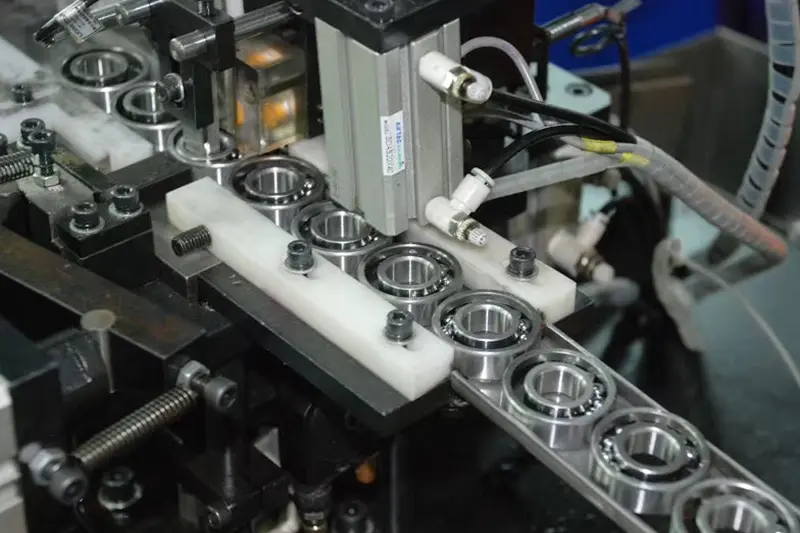
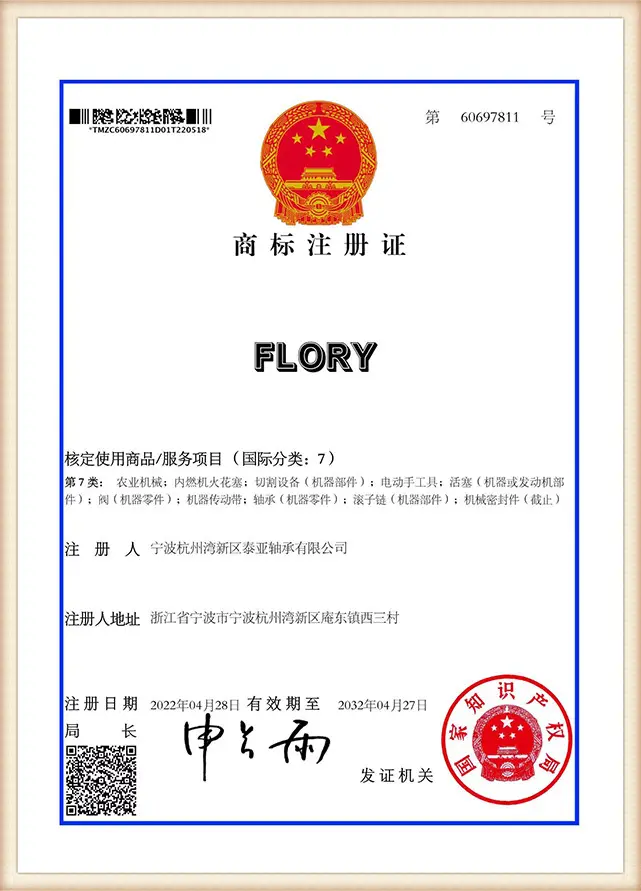
Our commitment to international standards is verified by independent third-party audits and global industrial partners.
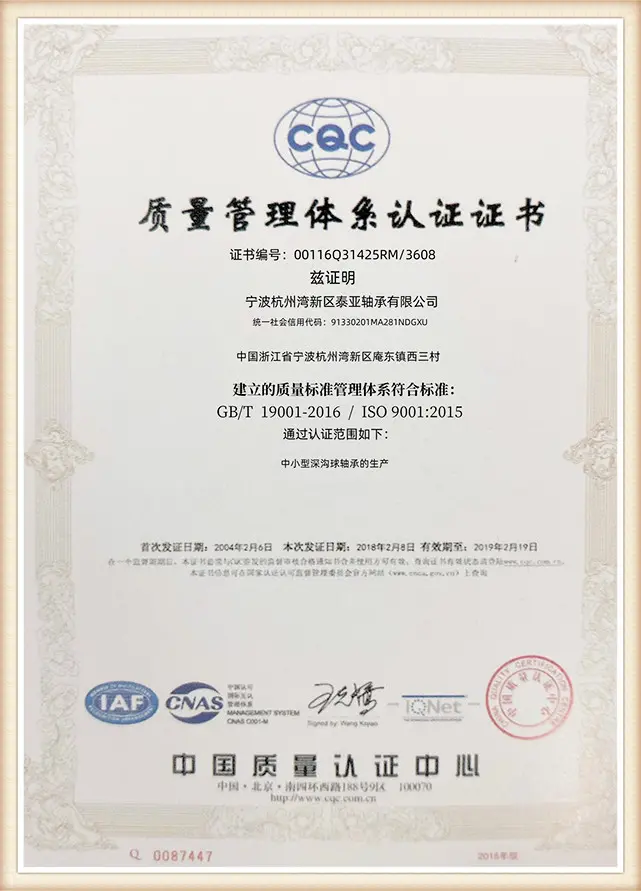
We maintain full chemical and structural traceability from raw materials to final packaging, complying with ISO 9001:2015 standards.
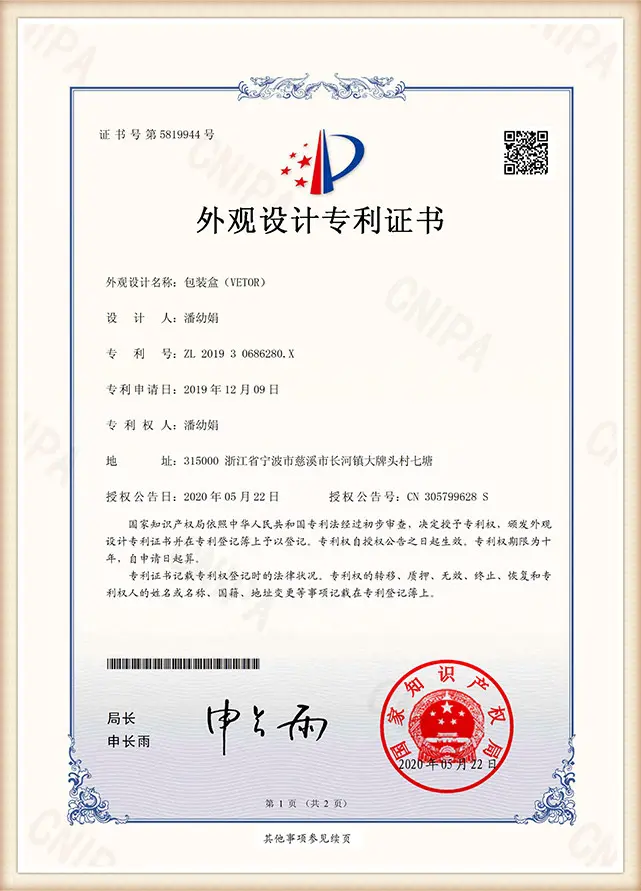
Our bearing products comply with REACH and RoHS standards, meeting environmental requirements for direct integration into European and American markets.
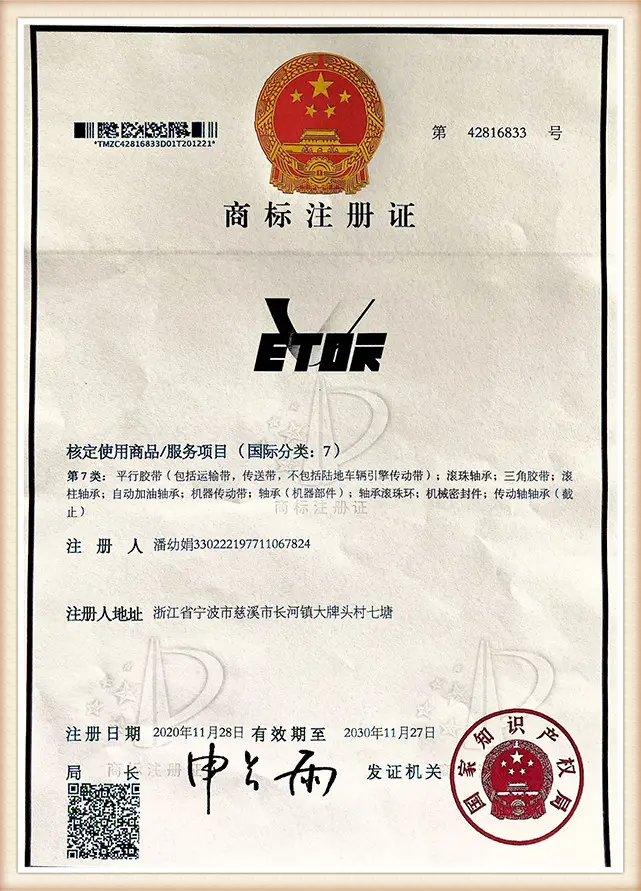
Our registered trademark represents high dimensional consistency, low vibration, and long-term durability in industrial applications.
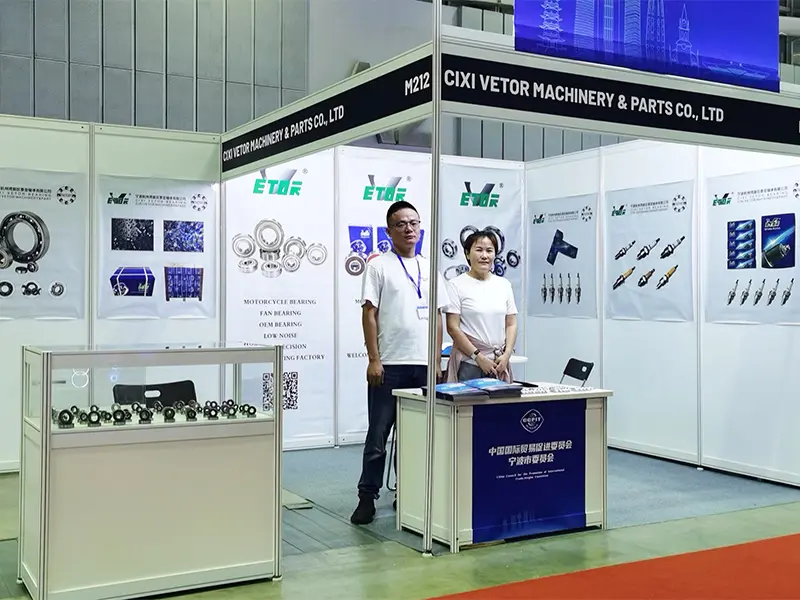
We exhibit at international automotive and bearing expos to demonstrate our latest design improvements and production capabilities.
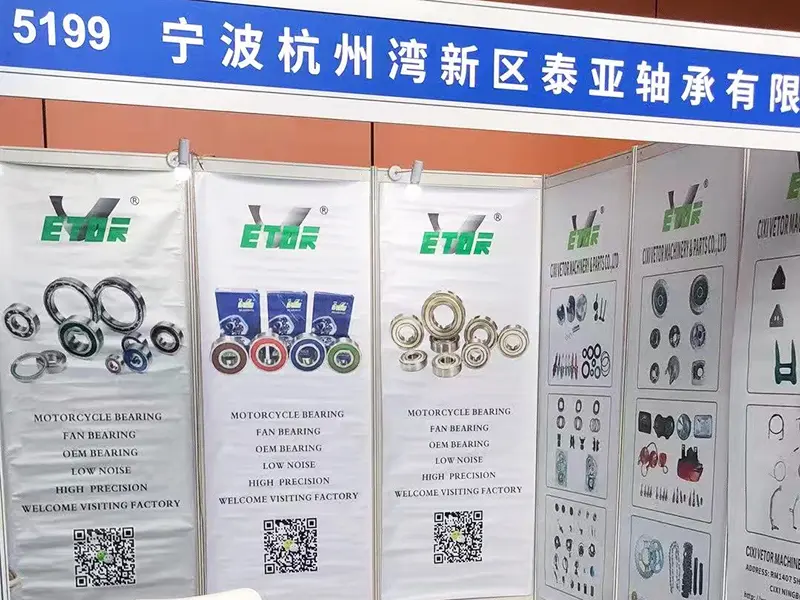
We work directly with OEM partners to supply bearing assemblies tailored to custom application demands, maintaining consistent communication from engineering to delivery.
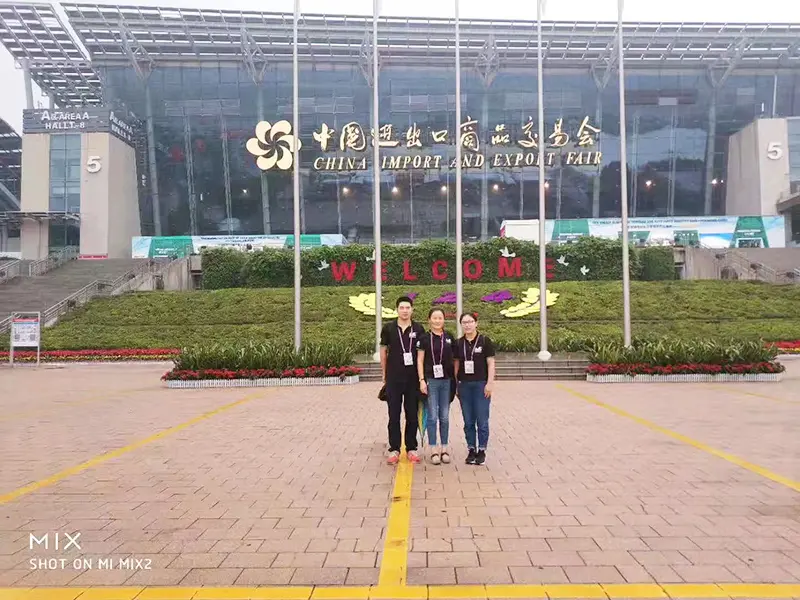
Our engineering support teams assist with material selection, clearance calculations, and lubrication selection to optimize bearing performance in your equipment.
Common questions from B2B buyers, procurement managers, and mechanical design engineers.
Review our broader range of industrial parts, hardware components, and drive assemblies distributed to international markets.
 VETOR GROUP