A deep industry analysis of control arm manufacturing processes, metallurgy configurations, and safety benchmarks.
In modern automotive chassis architecture, the control arm plays a pivotal role as the guiding element of the vehicle suspension system. It coordinates the forces between the wheels and the vehicle body, ensuring that wheel alignment parameters are maintained under severe dynamic loads. As a premier automotive control arm manufacturer and exporter, VETOR GROUP understands that reliability in chassis components directly correlates to safety. From double-wishbone layouts to advanced multi-link suspension geometries, each control arm we design undergoes critical mechanical strain mapping to withstand high torsional and tensile pressures.
Control arms must accommodate multi-directional forces, including lateral cornering stress, longitudinal acceleration and braking stress, and vertical road impact absorption. The material selection is critical to this operation. Standard industry profiles feature stamped steel for cost efficiency and traditional durability, cast iron for heavy-duty commercial applications, and forged aluminum alloys (such as 6082-T6 or 6061-T6) for premium applications targeting unsprung weight reduction. Lowering unsprung mass enhances damper response time, resulting in improved ride comfort, precise steering feedback, and optimized rolling resistance for enhanced fuel efficiency.
Beyond the structural arm itself, the integration of bushings and ball joints defines the component's service life. High-durability natural rubber or polyurethane bushings must withstand degradation from oil, ozone, road salts, and extreme temperature fluctuations. The ball joints must maintain a low coefficient of friction while supporting high axial and radial extraction limits. At VETOR GROUP, our engineering teams focus on advanced micro-polishing techniques for ball pins and hard-anodizing treatments for aluminum surfaces, preventing premature corrosion and play in the joints that could lead to alignment drift and tire wear.
Technical Innovation Notice: By integrating automated robotic welding and precise CNC machining centers, VETOR GROUP guarantees structural tolerance deviations under 0.02mm, providing flawless drop-in compatibility for global automotive aftermarket and OEM supply chains.
How our localized industrial cluster in Cixi City optimizes lead times and manufacturing costs.
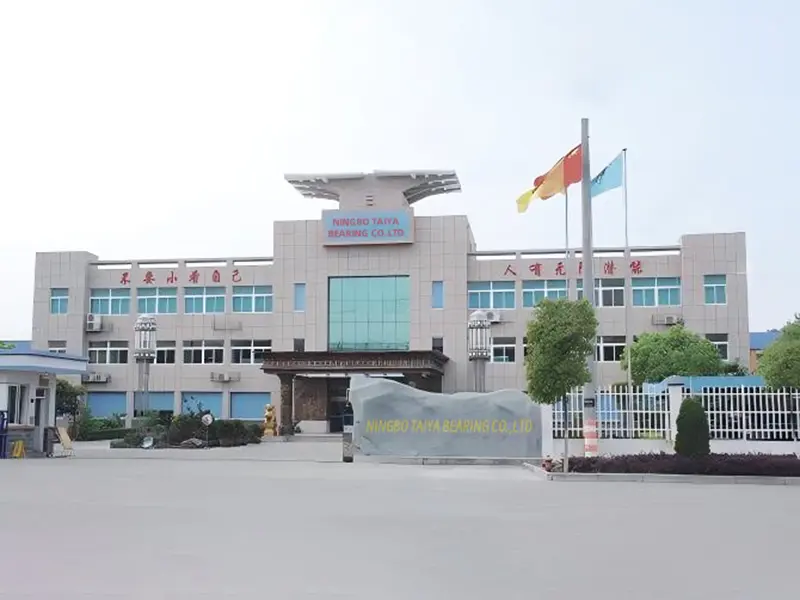
VETOR GROUP's primary manufacturing and logistics hub is strategically located in Cixi City, Zhejiang Province—one of China’s most competitive industrial hubs for automotive parts and precision engineering. Situated along the scenic Hangzhou Bay, our location provides seamless connectivity to key domestic steel suppliers, high-tech casting factories, and advanced finishing facilities. This geographic clustering enables us to reduce raw material transport times and secure volume pricing for specialty alloys and metallurgical treatments.
Furthermore, our proximity to two of the world's largest deepwater shipping ports—Shanghai Port and Ningbo Port—provides our international clients with unparalleled logistics flexibility. With both ports situated within a 90-minute drive from our facility, we can transition production batches from warehouse to container ship within 24 hours. The nearby Hangzhou Xiaoshan and Ningbo Lishe International Airports also simplify fast-track airfreight for critical prototypes and urgent production runs, ensuring your assembly lines never face disruption.
Streamlining procurement for international distributors, fleet managers, and tier-1 assembly lines.
Every shipment of steel or aluminum includes mill test certificates (MTC) stating precise alloy percentages and tensile strength boundaries.
Minimum order quantities start as low as 1,000 pieces per OEM profile. Custom rapid prototyping tools deliver samples within 7-10 working days.
We manage complex cargo flows, handling customs declarations, drop-shipping, and multi-modal transit options across Europe, South America, and the Middle East.
Global procurement teams must balance unit costs against structural risks. When sourcing automotive control arms, enterprise buyers look for strict adherence to international testing standards like SAE J193 and DIN ISO standards. VETOR GROUP satisfies these demands through comprehensive quality control plans (QCP). Our in-house testing labs subject randomly sampled components to heavy stress testing, including 500,000 cycles of dynamic fatigue testing, salt spray environmental simulation for surface coatings, and hydraulic press pull-out force tests on ball joints to verify overall assembly safety.
Staying ahead of legislative changes, materials science innovations, and vehicle electrification requirements.
The automotive industry is undergoing a historic shift toward electrification. The integration of large, heavy battery packs in Electric Vehicles (EVs) significantly increases static vehicle weight. Consequently, suspension components must manage higher load parameters while minimizing their own mass to optimize range. This trend has driven a surge in demand for lightweight aluminum alloys and hybrid metal-plastic composite control arms. Manufacturers must upgrade their casting and extrusion machinery to produce complex structural designs that reduce weight without compromising strength.
Simultaneously, environmental regulations are phasing out traditional hexavalent chromium surface treatments. Contemporary control arm exporters must deploy advanced cataphoretic coating (E-coat) processes or eco-friendly zinc-flake finishes. These coatings provide superior barrier protection against road moisture, chemical detergents, and gravel impacts while complying with REACH and RoHS standards in North America and the European Union.
Customizing metallurgy and seal configurations to meet unique geographical challenges.
Road maintenance in North America and Northern Europe relies heavily on calcium chloride salts. We apply dense electrocoated paint finishes to prevent surface pitting and premature corrosion on control arm bodies.
For regions like the Middle East, standard rubber bushings dry out and crack quickly. We supply high-grade silicone or high-density neoprene compounds that resist dry rot and keep fine sand out of internal ball joint grease reservoirs.
To prevent rust caused by high relative humidity in Southeast Asia and parts of South America, we apply robust electrophoretic paint coatings and passivated structural pins to extend part lifetimes.
VETOR GROUP: Precision Engineering, ISO 9001 Compliance, and Integrated Logistics since 2005.
Founded in 2005, VETOR GROUP has grown into a comprehensive import and export corporation specializing in motorcycle parts, auto parts, ATVs, dirt bikes, and industrial bearings. Operating under an ISO 9001 certified quality management framework, we have built a robust reputation for technical expertise, on-time delivery, and competitive pricing across Europe, South America, and the Middle East.
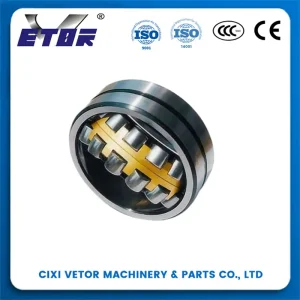
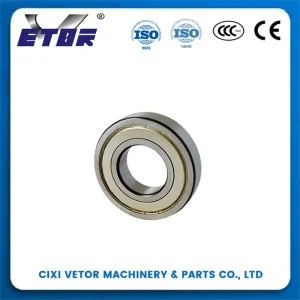
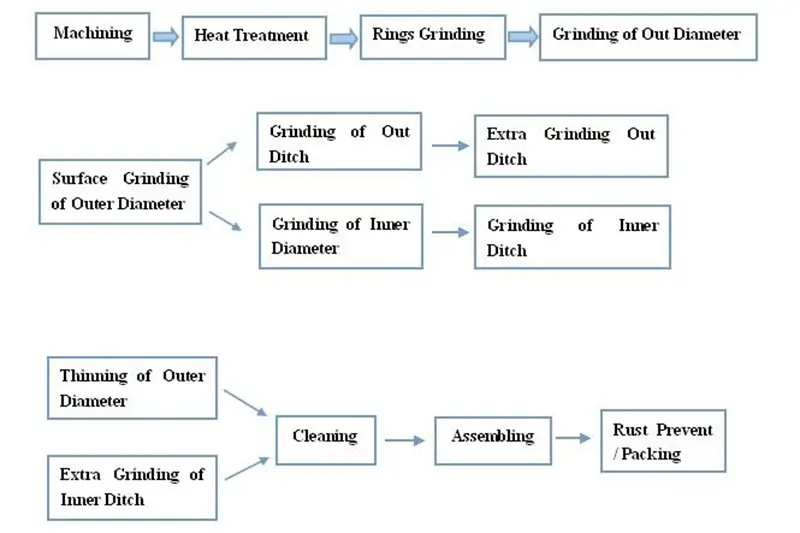
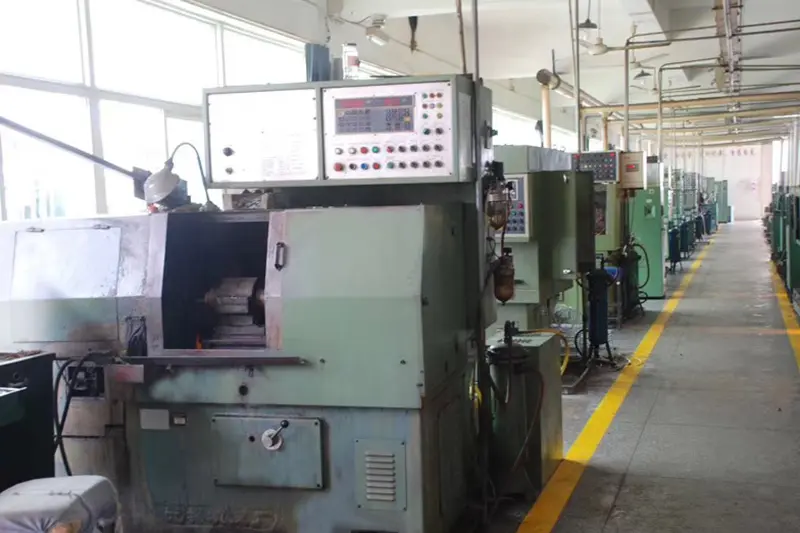
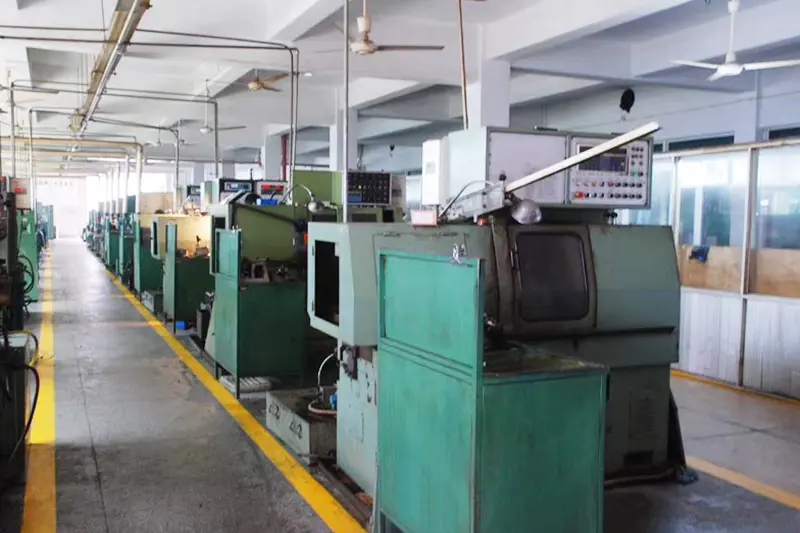
In addition to our automotive suspension division, our in-house bearing manufacturing plant specializes in the production of high-precision deep groove ball bearings and EMQ grade bearings (with inner ring dimensions from 6mm to 90mm). These bearings feature extremely low noise levels, low vibration coefficients, and long service life. They are widely used in home appliances, micro-motors, motorcycles, medical equipment, and agricultural machinery worldwide.
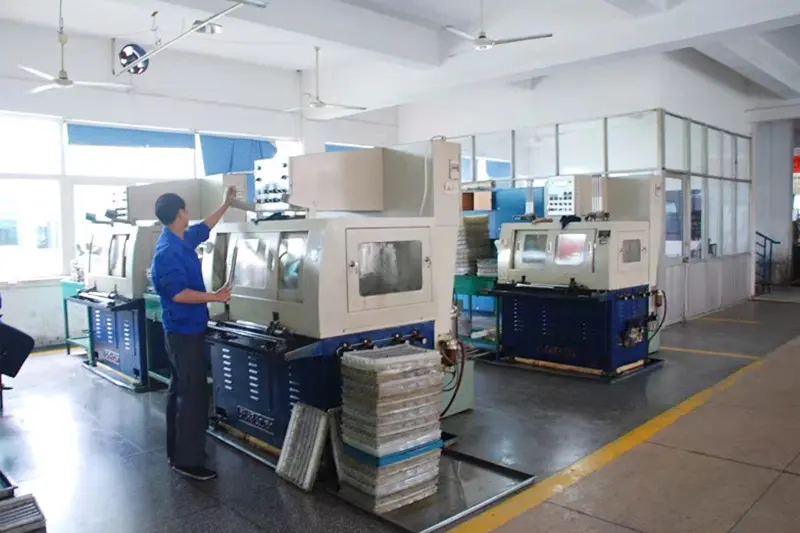
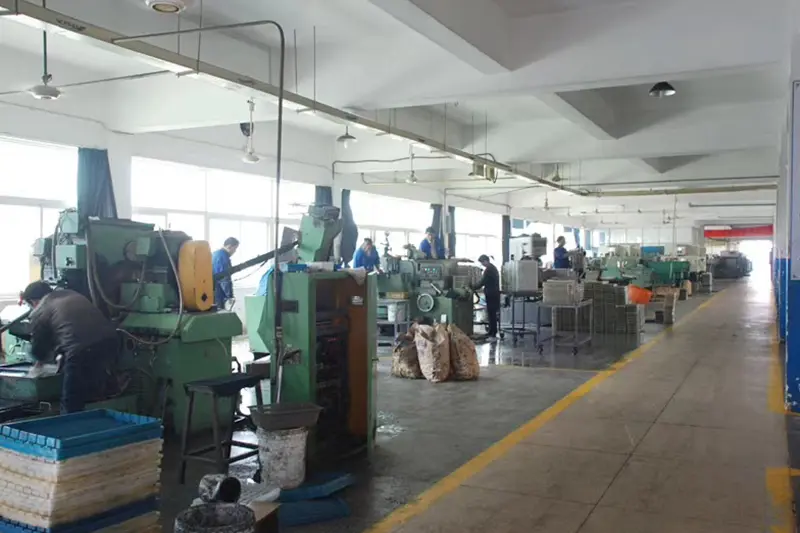
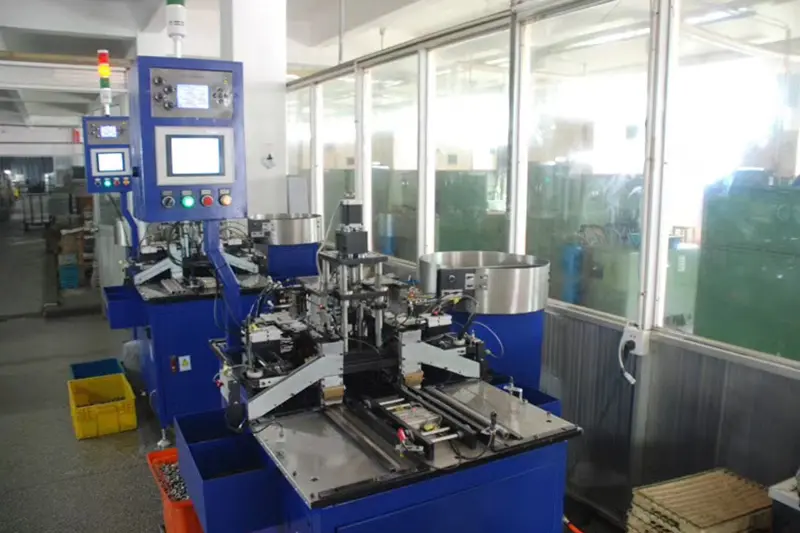
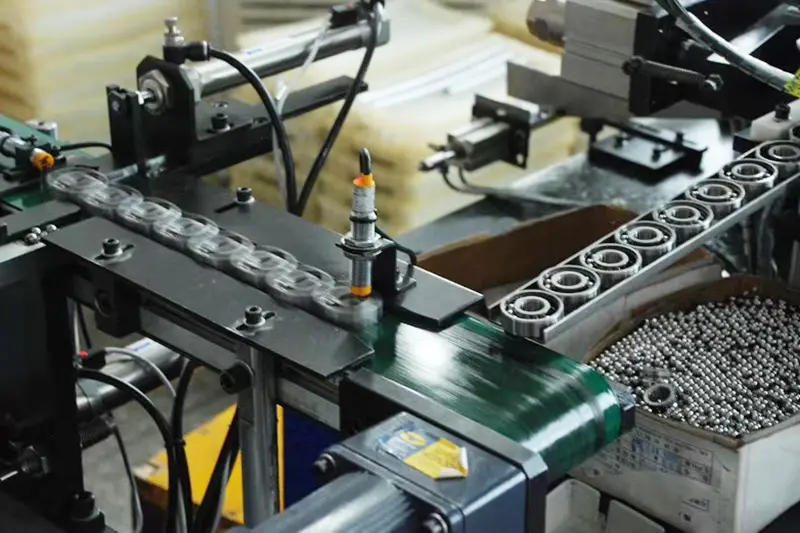
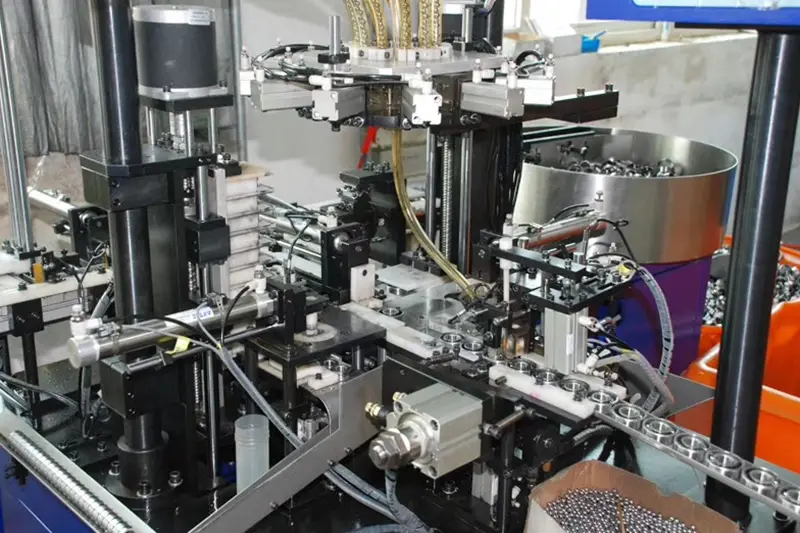
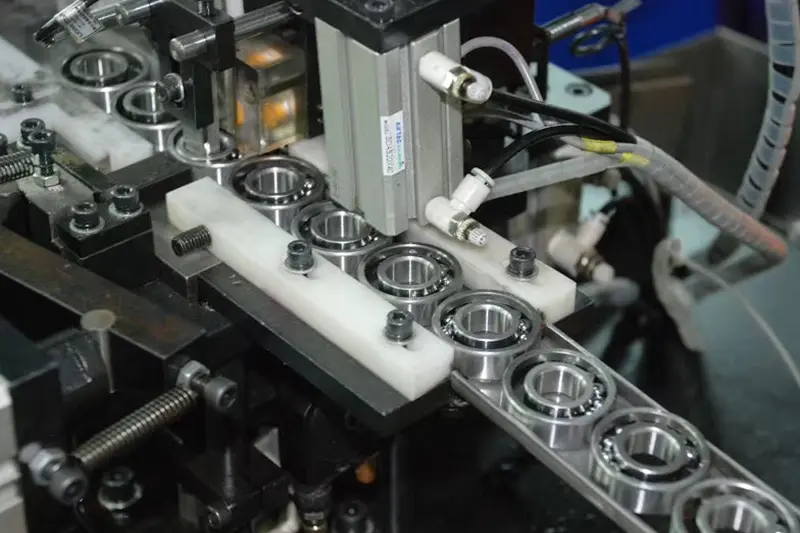
Rigorous quality processes verified by international testing bureaus and audit standards.
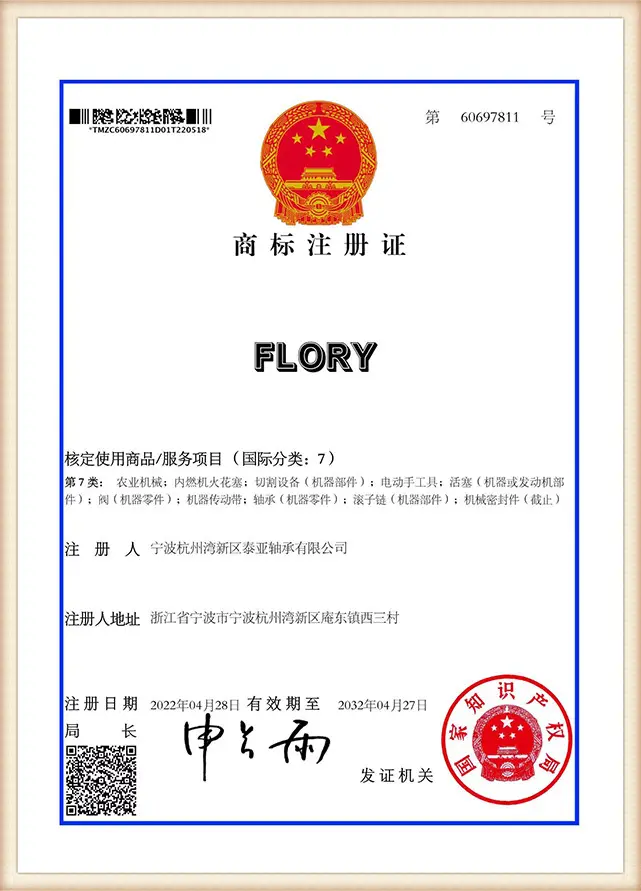
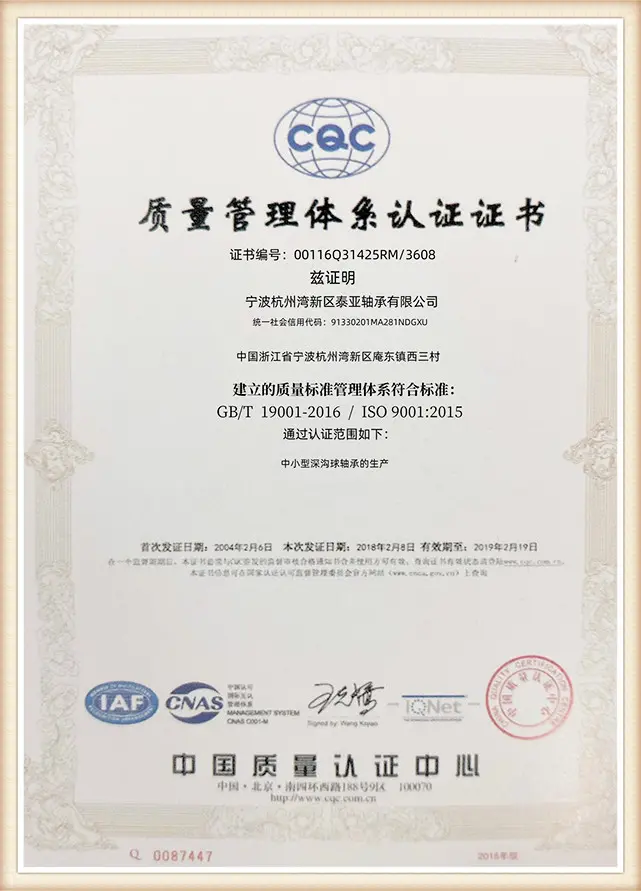
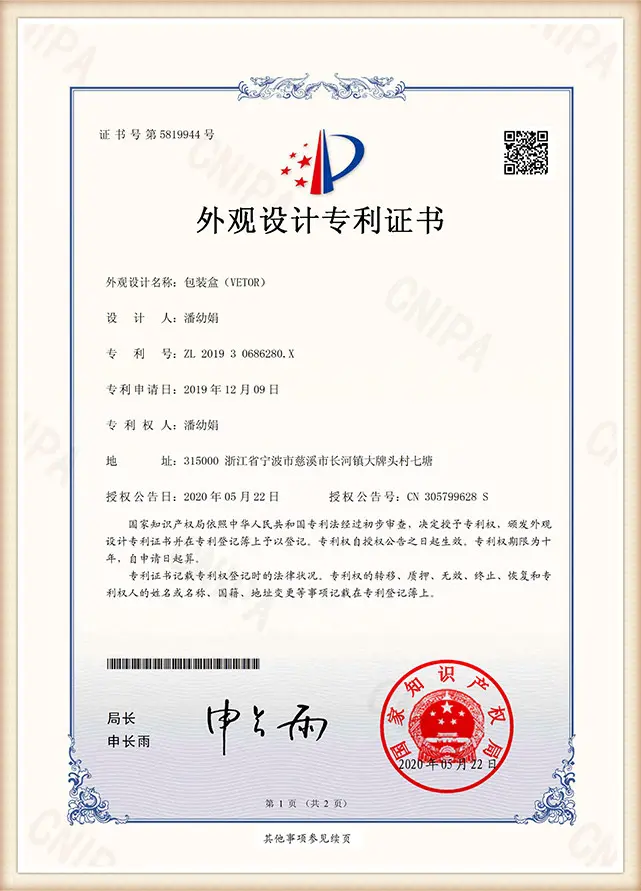
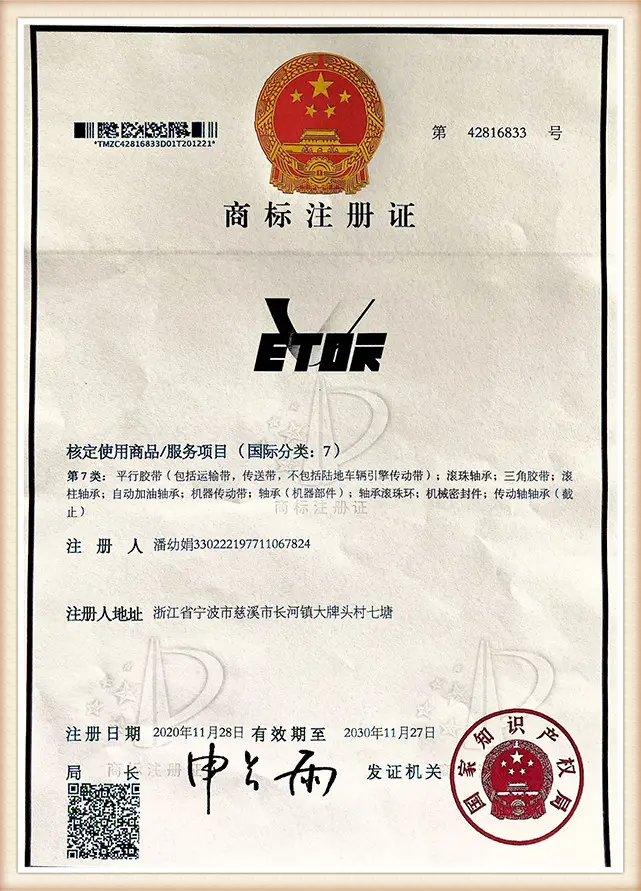
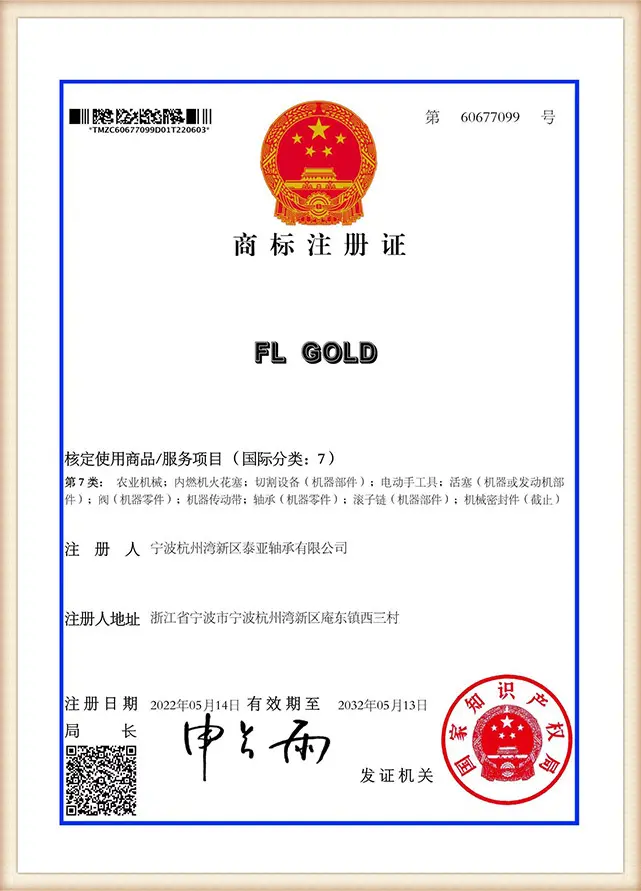
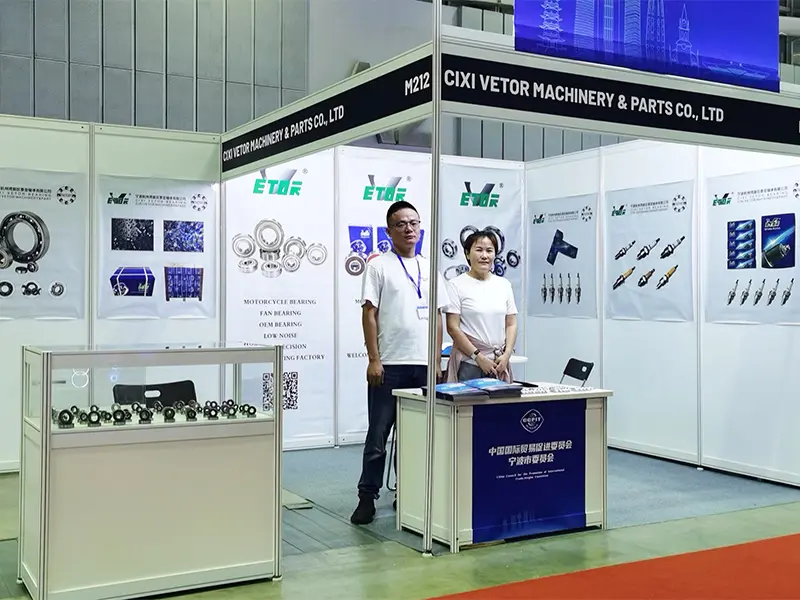
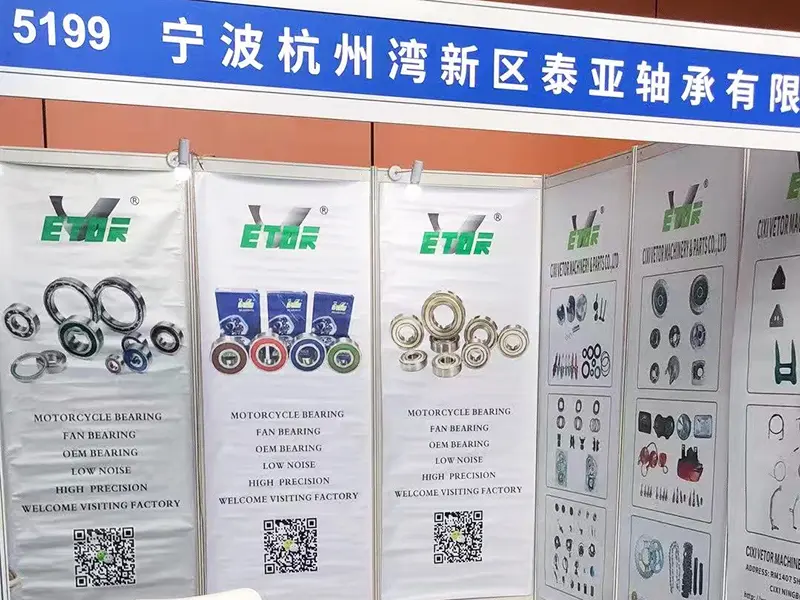
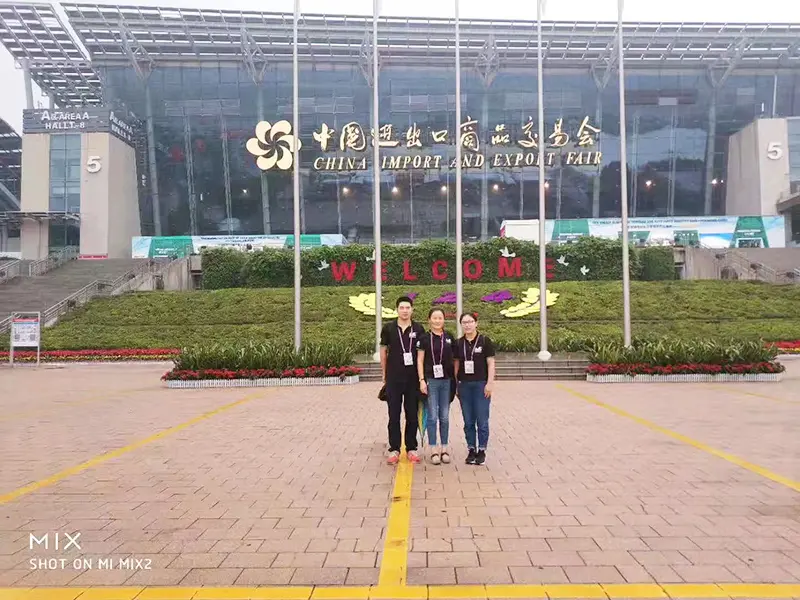
Providing technical parts and component manufacturing for automotive, power-sports, and industrial clients.
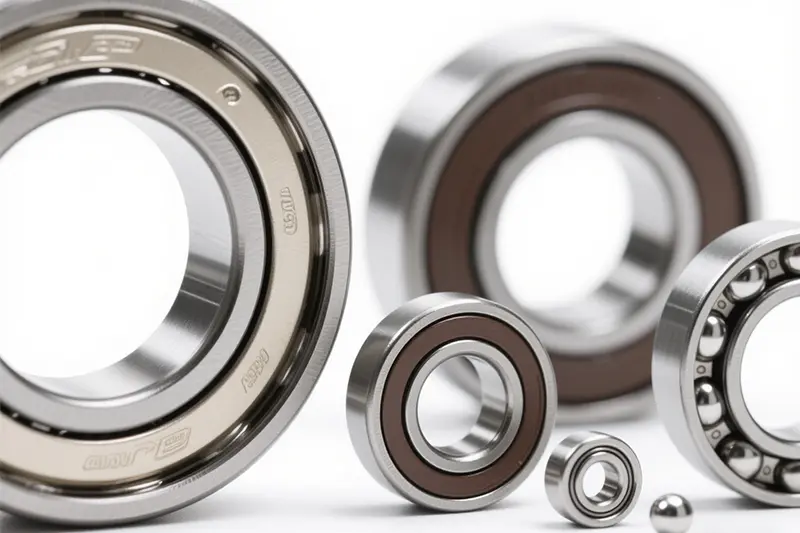
High-precision EMQ ball bearings designed for electric motors, appliances, and automotive steering systems.
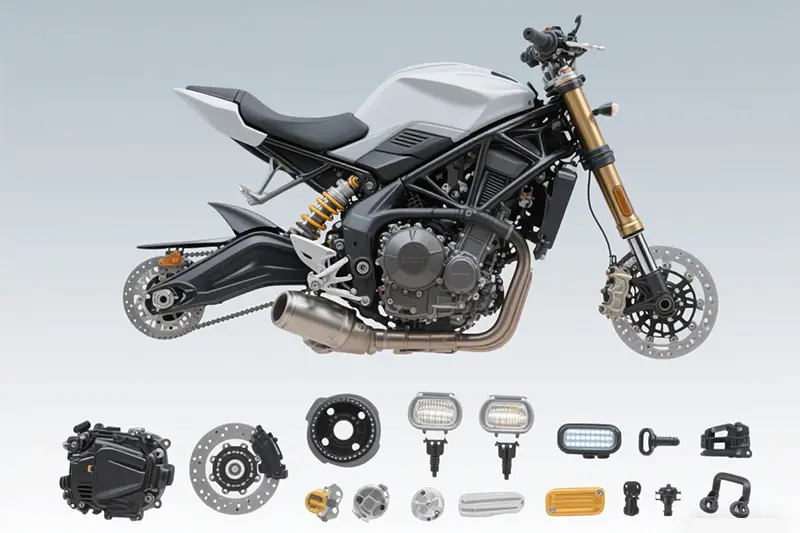
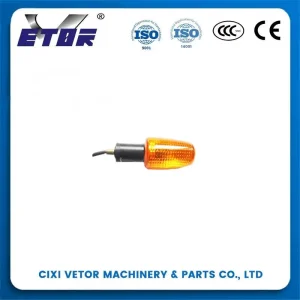
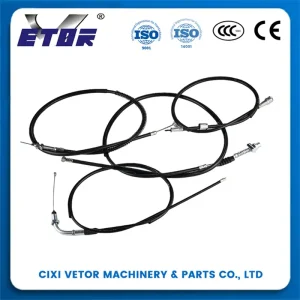
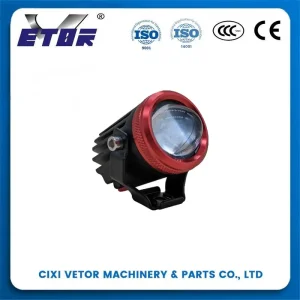
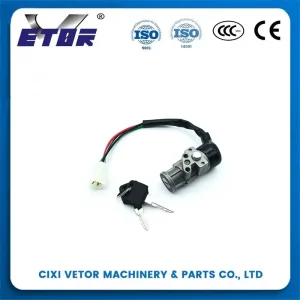
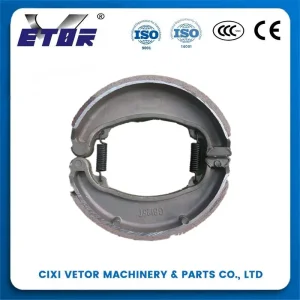
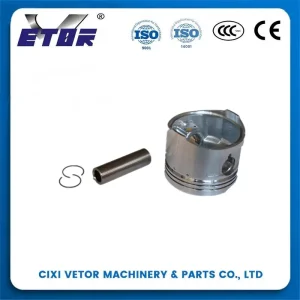
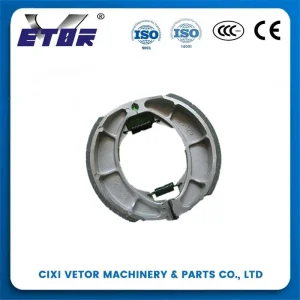
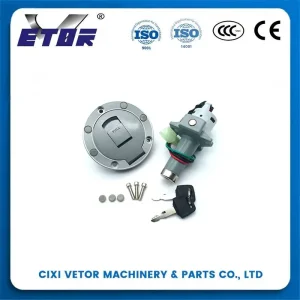
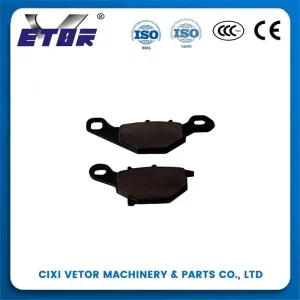
From engine pistons and start keys to wear-resistant brake shoes, clutch cables, and turn lights.
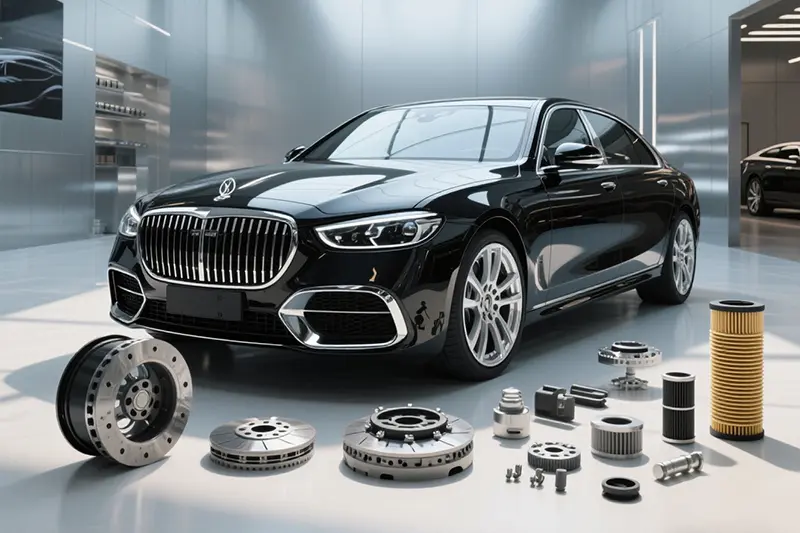
Specialized control arms, steering linkages, engine mounts, and critical cooling system elements.
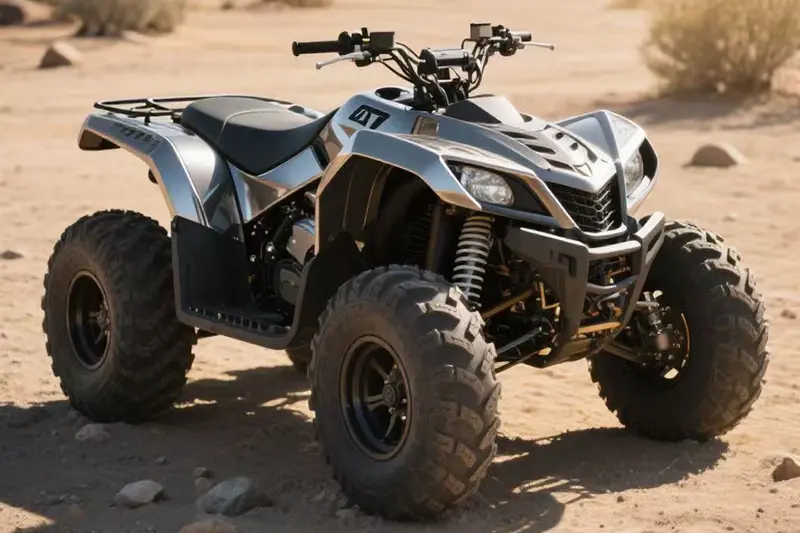
Heavy-duty suspension wishbones, transmission shafts, and protective covers for rough environments.
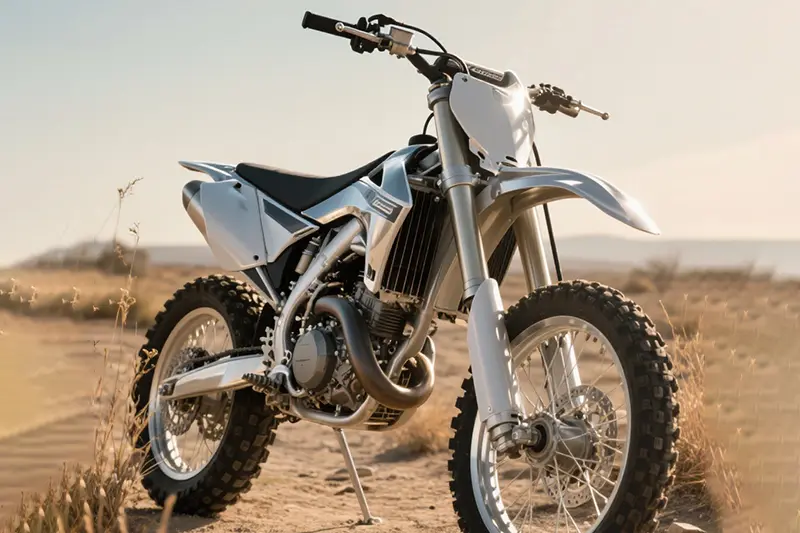
Lightweight alloy frames, competition shocks, high-performance exhaust parts, and control cables.
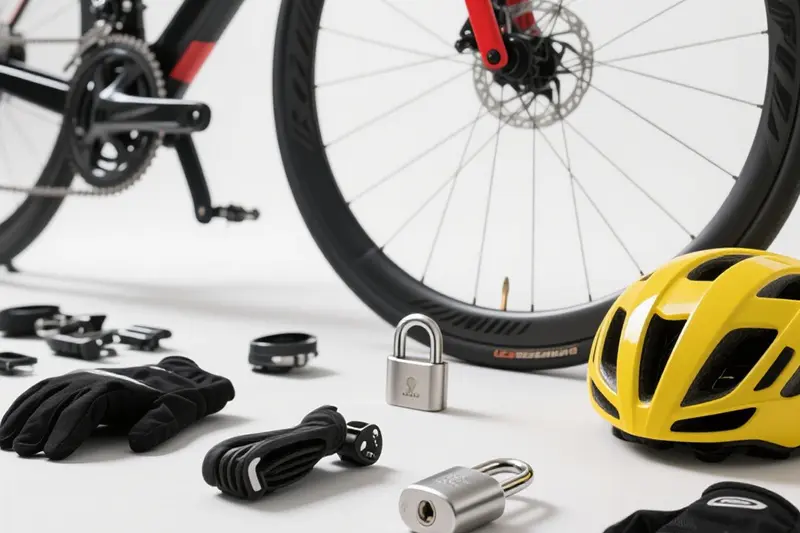
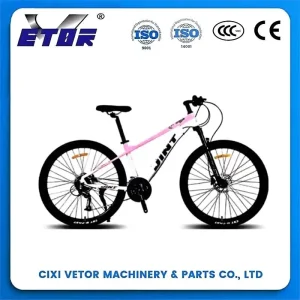
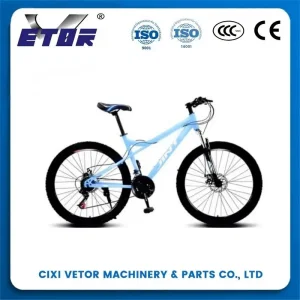
Robust alloy wheels, structural frames, and multi-speed gear assemblies for consumer and racing segments.
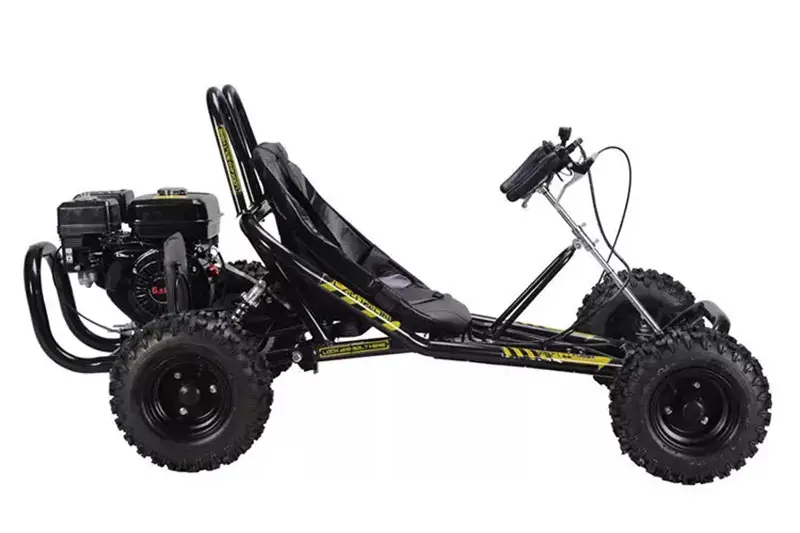
Answers to critical design, testing, logistics, and compliance questions from global purchasing agents.
 VETOR GROUP