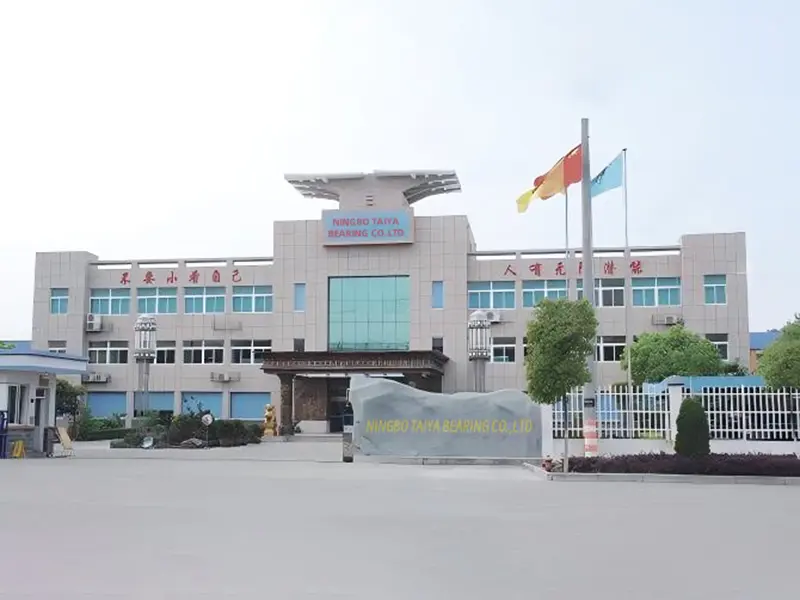
Founded in 2005, VETOR GROUP has built a reputation over nearly two decades as an elite global manufacturer and exporter specializing in automotive chassis, motorcycle parts, bearings, and heavy-duty industrial components. Headquartered in Cixi City, Zhejiang Province—the industrial heartbeat of China’s automotive component cluster—our facility sits adjacent to Hangzhou Bay. This strategic location places us within a highly efficient 90-minute logistics radius of both Shanghai Port and Ningbo Port, as well as Hangzhou Xiaoshan and Ningbo Lishe International Airports. This integration allows us to serve Tier-1 distributors, OEMs, and aftermarket buyers worldwide with rapid, cost-controlled supply chain workflows.
All operations within our manufacturing facilities are certified to the ISO9001:2015 international quality management standard. Under our flagship proprietary brand, VETOR, we produce elite-grade mechanical parts including high-performance bearings, automotive suspension components, and customized steering rod ball joints designed to withstand severe stress and dynamic loads.
A steering rod ball joint functions as the critical pivot point between a vehicle's steering rack and the steering knuckles. It is subjected to constant cyclic loading, multi-axial forces, road vibration, and exposure to corrosive environments. Under high-speed or off-road conditions, any deviation in material structural integrity, surface finishing, or tolerances can lead to catastrophic component failure. VETOR GROUP’s engineering protocols address these challenges through premium metallurgy, tight machining tolerances, and advanced environmental seals.
Our ball joint housings are hot-forged using premium alloyed carbon steels, such as AISI 1045 or 40Cr. Forging creates a continuous grain flow matching the contour of the part, providing up to 30% higher tensile strength and structural fatigue limits compared to cast alternatives.
Machined from cold-headed AISI 4140 chrome-moly steel, our ball studs undergo rigorous induction hardening to achieve HRC 58-62 surface hardness, paired with a resilient core to absorb impact without fracturing.
We seal our assemblies with premium Chloroprene (CR) or Thermoplastic Polyurethane (TPU) boots. Tested for chemical resistance, ozone degradation, and flexibility, these boots prevent contamination at temperatures from -40°C to 120°C.
| Specification Parameter | OEM Standard / Material Grade | VETOR Performance Value | Engineering Benefit |
|---|---|---|---|
| Housing Material | AISI 1045 / 40Cr Steel | Forged & Normalized | Eliminates structural voids and casting defects |
| Ball Stud Metallurgy | AISI 4140 (Cr-Mo Steel) | Induction Hardened Core (HRC 58-62) | Maximum resistance to shearing and axial deformation |
| Lubricant Base | Standard Mineral Grease | Synthetic Polyurea High-Pressure Grease | Reduces friction coefficient; lifetime lubrication |
| Dynamic Pull-Out Force | ≥ 20 kN | Up to 32 kN (Design Specific) | Prevents ball stud separation under extreme impacts |
| Dust Boot Compound | Neoprene / Standard Rubber | TPU / Chloroprene (CR) with steel retaining rings | Total protection against salt, road debris, and water |
The global automotive aftermarket relies on high productivity and predictable cost management. Operating out of our advanced production facility in Cixi, China, VETOR GROUP balances raw material procurement, localized processing clusters, and global logistics nodes to deliver strategic advantages to our partners.
We source structural steel directly from state-owned steel mills in China, securing certified chemistry batches (Baosteel, Shagang). This direct supply chain insulates our clients from commodity volatility and guarantees material consistency.
Our location in the Ningbo-Zhejiang auto parts corridor grants us access to specialized heat-treatment plants, precision plating operations, and toolmakers. This regional infrastructure keeps tooling and turnaround times short.
Being 90 minutes from Ningbo Port (the world’s busiest port by cargo tonnage) and Shanghai Port allows us to ship goods out of China quickly, minimizing port transit times and reducing local freight costs.
Our in-house capabilities include high-precision CNC machining centers, automated assembly lines, and specialized grinding equipment designed to finish bearing races and ball surfaces to micro-inch tolerances. By integrating these processes, we control product quality and lower production overhead, passing these savings directly to our customers.
Procurement teams for automotive replacement parts require strict adherence to international safety and quality standards. VETOR GROUP meets these demands through a robust Quality Management System (QMS) and comprehensive technical support.
We support Tier-1 OEM programs with full Production Part Approval Process (PPAP) Level 3 documentation, including Failure Mode and Effects Analysis (FMEA), Control Plans, and material certifications.
All materials are certified under RoHS, REACH, and California Proposition 65 guidelines. Material details can be submitted directly through the International Material Data System (IMDS) for verification.
Every steering rod ball joint batch is laser-etched with a unique manufacturing date and tracking code. This ensures complete traceability from the raw steel supplier to the final assembly point.
VETOR GROUP steering rod ball joints and bearing components are deployed across diverse applications, each requiring tailored engineering specifications to operate reliably in harsh conditions.
These components require high oscillation angles and sealing against water, mud, and fine dust. VETOR ball joints utilize double-lip spring-loaded seals and reinforced steel rings to prevent contamination during off-road operations.
In regions like Northern Europe, Russia, and Canada, cold temperatures can cause standard rubber boots to crack. We use low-temperature synthetic elastomers rated to -45°C to preserve flexibility and protect the joint.
In high-temperature areas like the Middle East (UAE, Egypt, Nigeria), road surfaces can reach over 70°C. We use high-drop-point synthetic greases that maintain viscosity and film strength under extreme heat.
Automotive chassis systems are evolving with the rise of Electric Vehicles (EVs) and advanced steering technologies. VETOR GROUP’s R&D department continues to develop new solutions to meet these emerging challenges.
EV batteries increase vehicle weight, raising static and dynamic loads on the steering linkage. We address this by developing high-capacity ball joints using alloyed housings and larger ball diameter studs to distribute stress.
To improve vehicle range and efficiency, automakers are reducing unsprung mass by switching to aluminum steering knuckles. We manufacture hybrid ball joints with steel studs and aluminum housings to optimize weight without sacrificing strength.
Electric Power Steering (EPS) systems require components with low breakaway torque for smooth, responsive feedback. VETOR designs use mirror-polished ball studs and POM-acetal seats to reduce friction and improve steering feel.
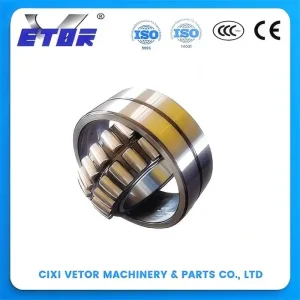
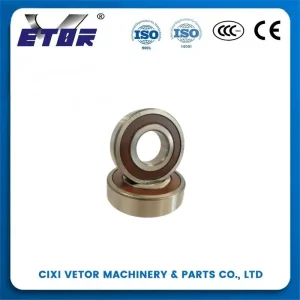
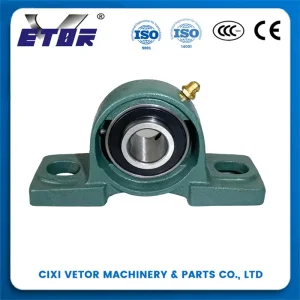
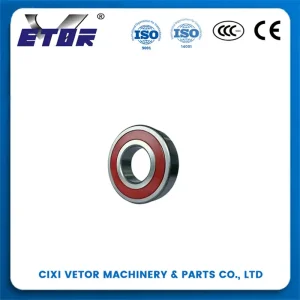
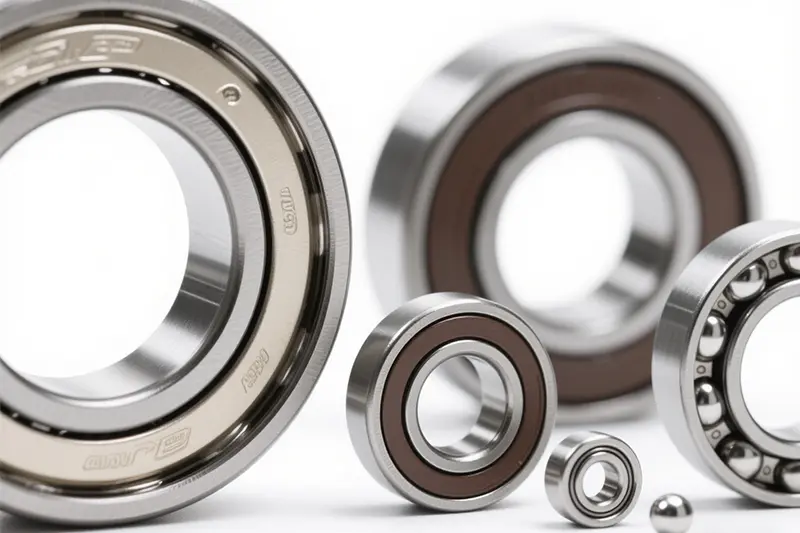
Beyond steering and suspension linkages, VETOR GROUP operates an in-house manufacturing facility specializing in deep groove ball bearings and EMQ (Electric Motor Quality) grade bearings, with inner ring dimensions ranging from 6mm to 90mm. These high-performance bearings are designed to provide:
Superfinished raceways reduce running noise and vibration, making these components ideal for high-RPM electric motors and domestic appliances.
Equipped with high-performance rubber seals (2RS) or metal shields (ZZ) to retain grease and prevent contamination in harsh operating environments.
Forged chrome steel rings (GCr15) undergo controlled heat treatment, ensuring high wear resistance and dimensional stability over time.
Our bearings and suspension components are utilized across a wide range of industries, including household appliances, micro-motors, electric fans, motorcycles, medical gear, agricultural machinery, and textile equipment. VETOR products are exported to global markets including Europe, Russia, Brazil, the UAE, Iran, Turkey, Pakistan, Bangladesh, Egypt, and Nigeria.
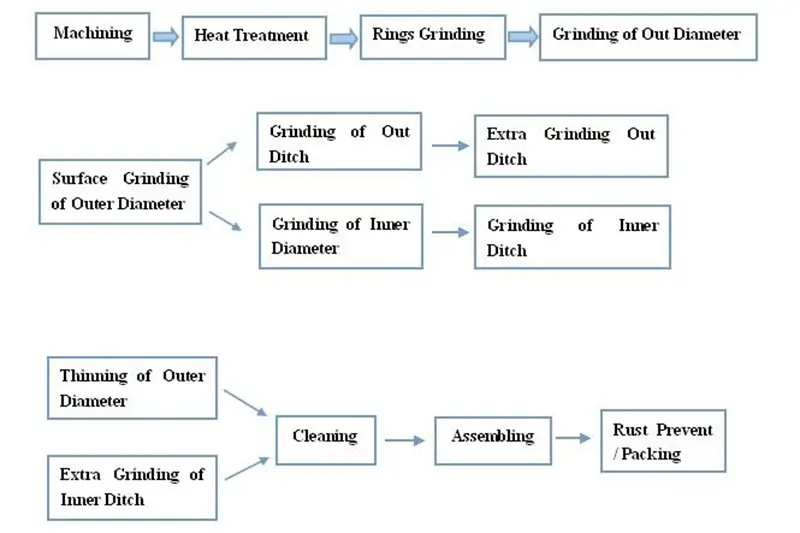
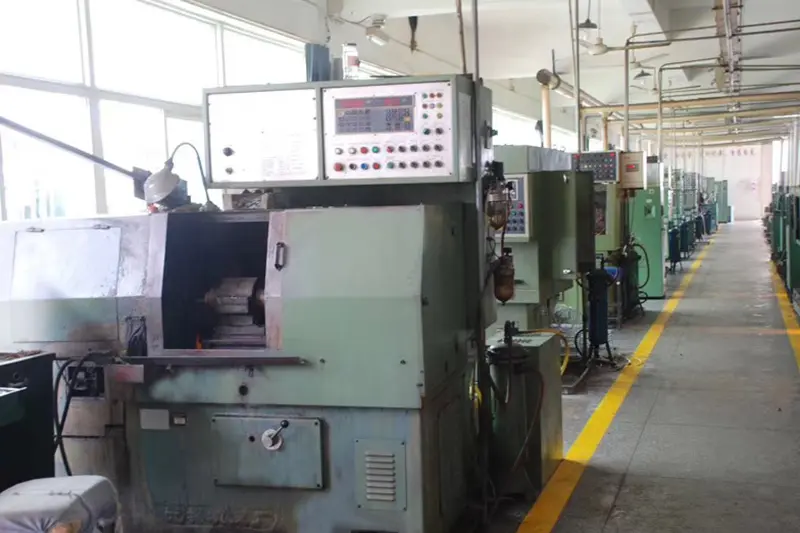
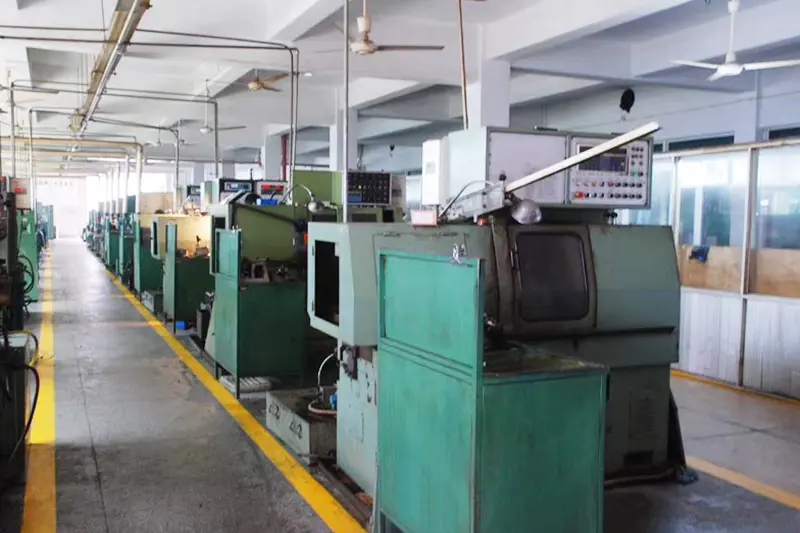
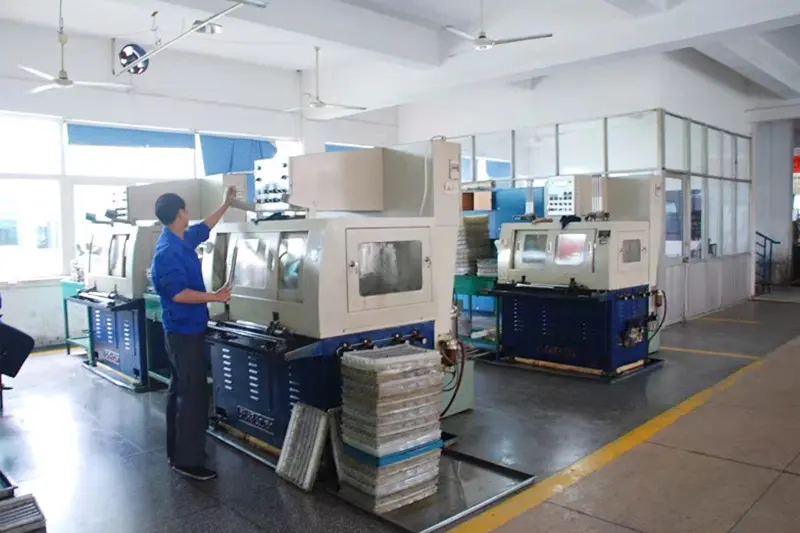
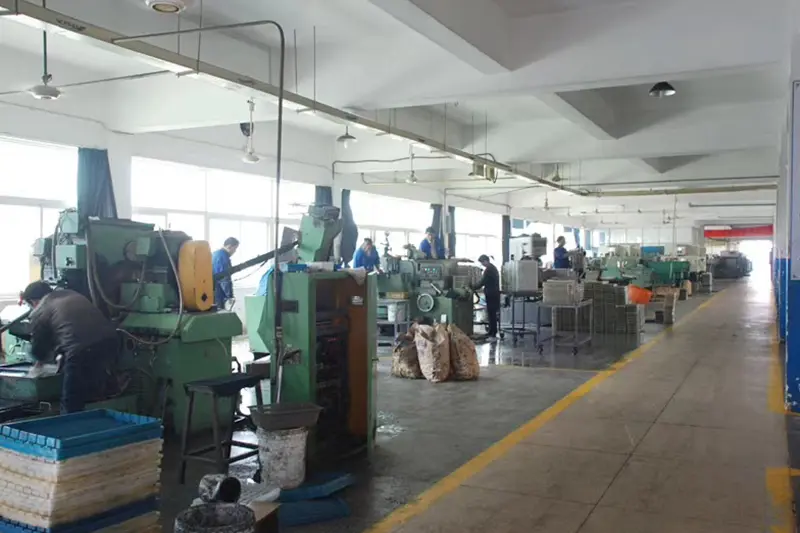
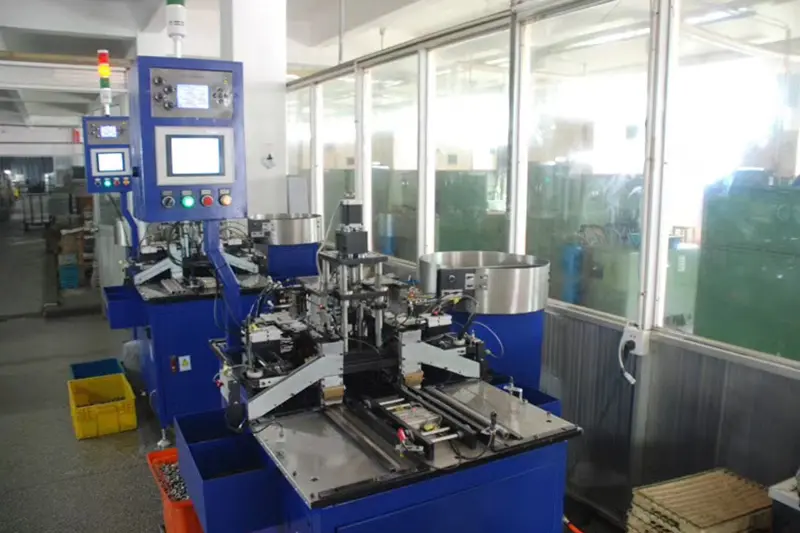
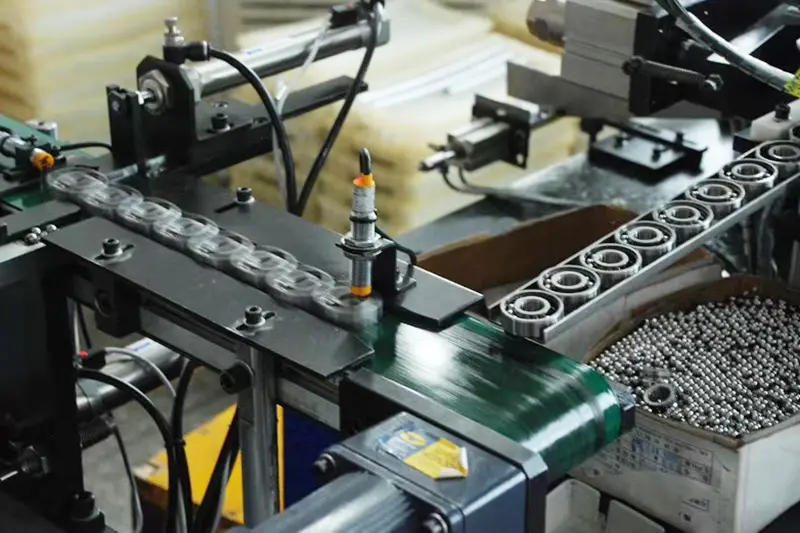
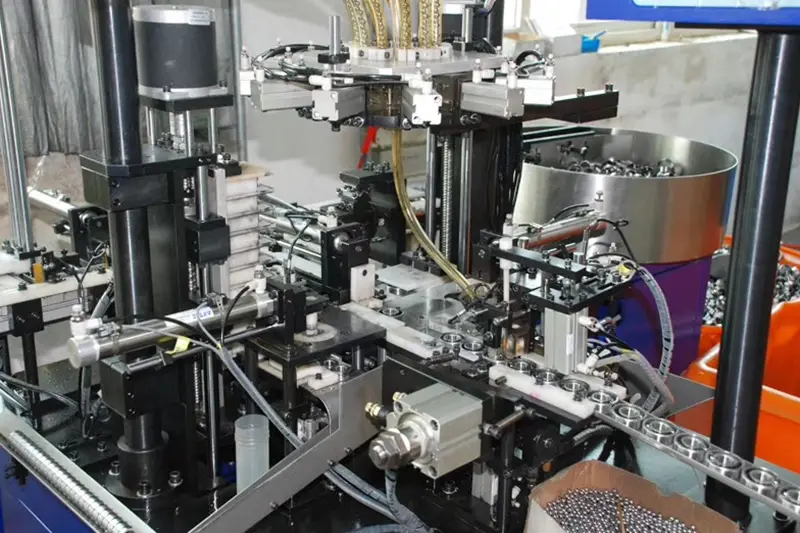
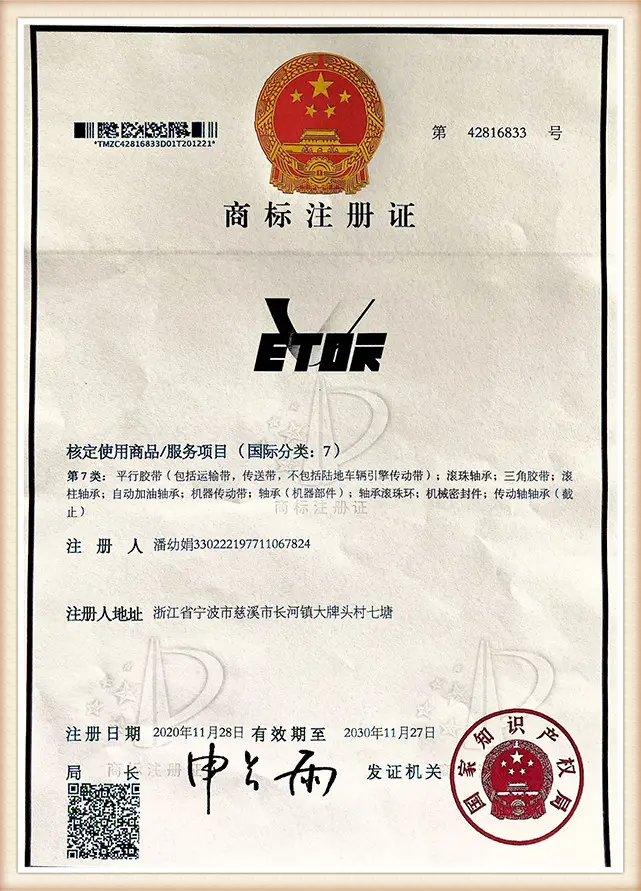
Our commitment to quality is supported by international standard certifications. We maintain strict control over our manufacturing processes, ensuring compliance with global specifications for safety, durability, and raw material purity.
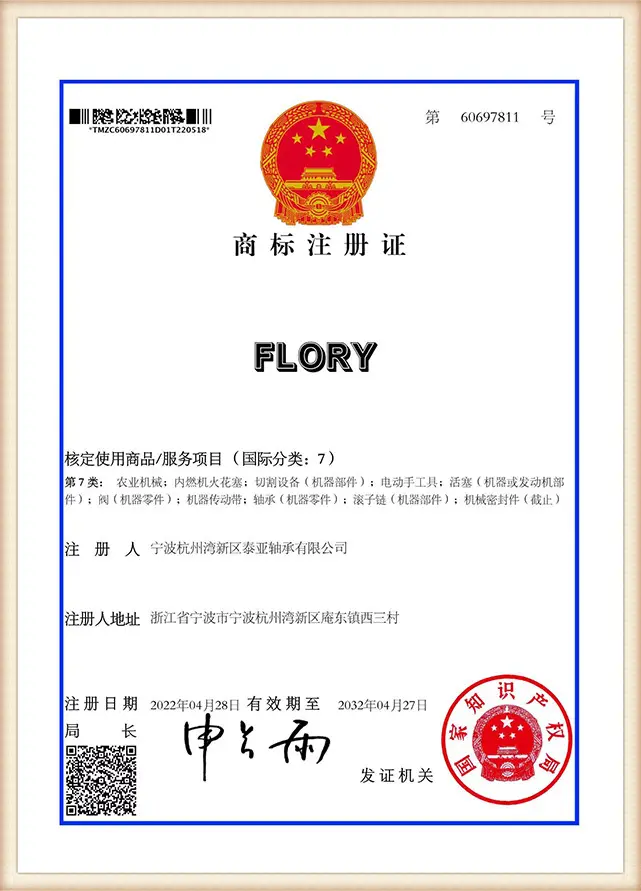
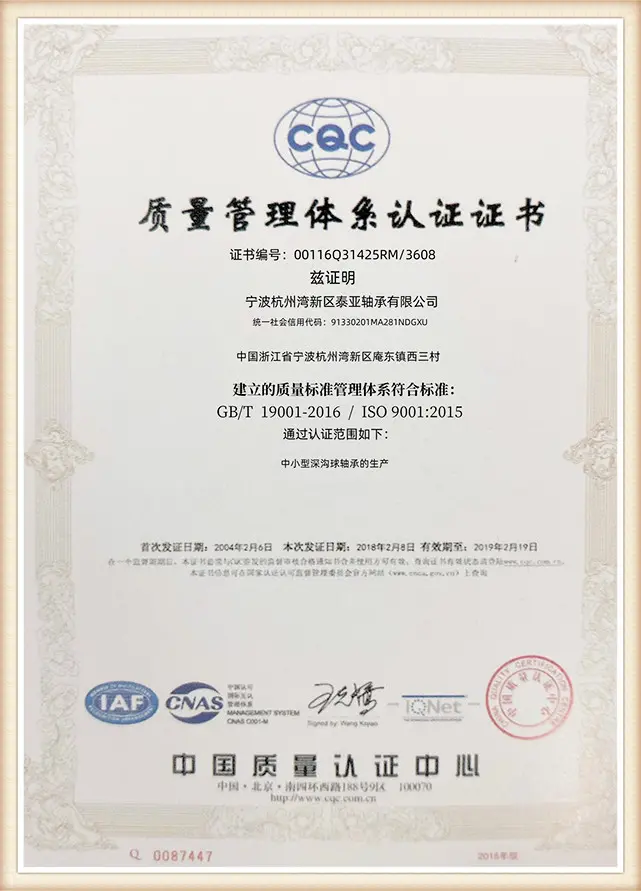
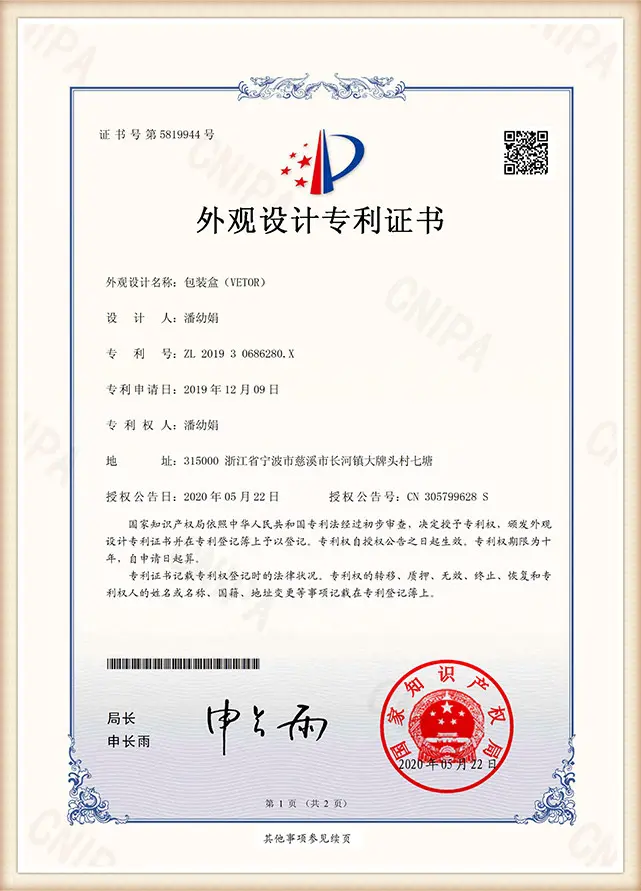
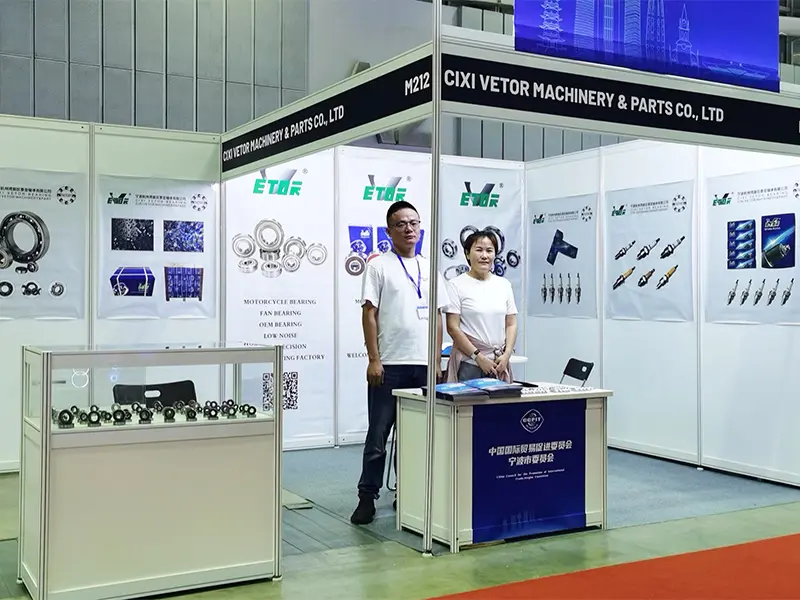
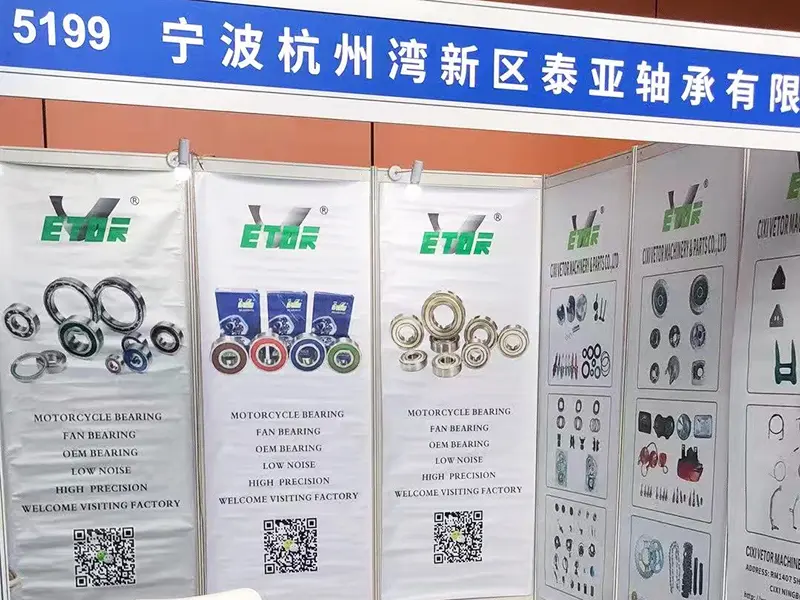
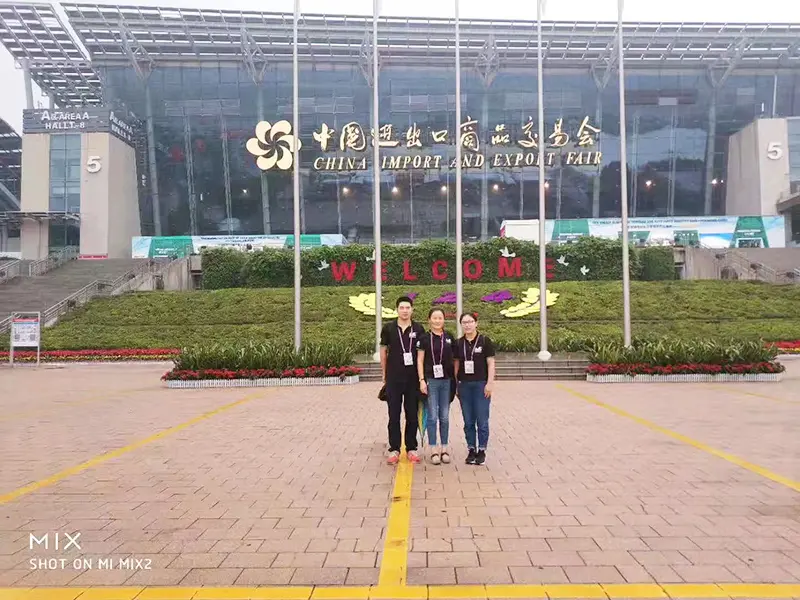
VETOR GROUP regularly participates in international automotive and industrial component exhibitions. These trade shows allow us to collaborate with global partners, showcase our latest product designs, and gather feedback on regional market requirements.
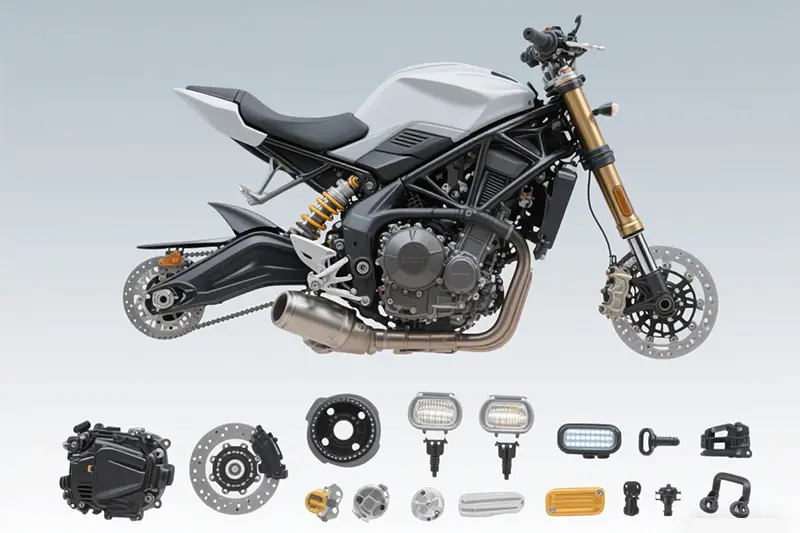
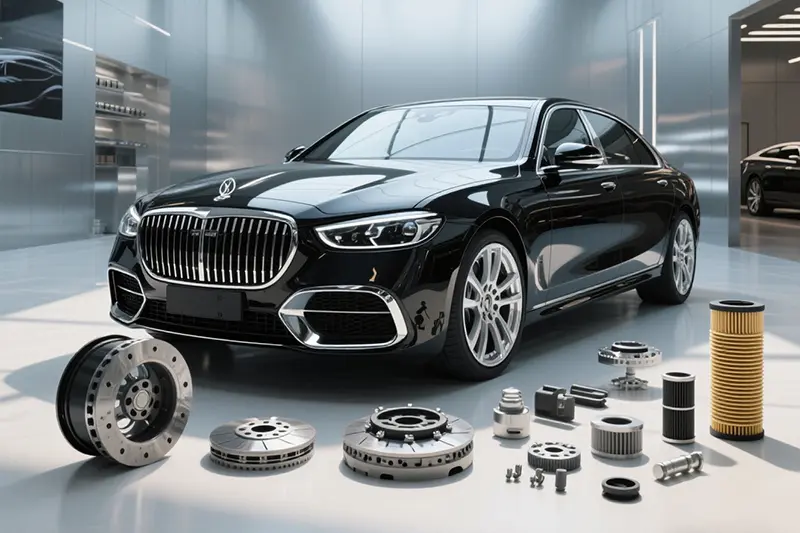
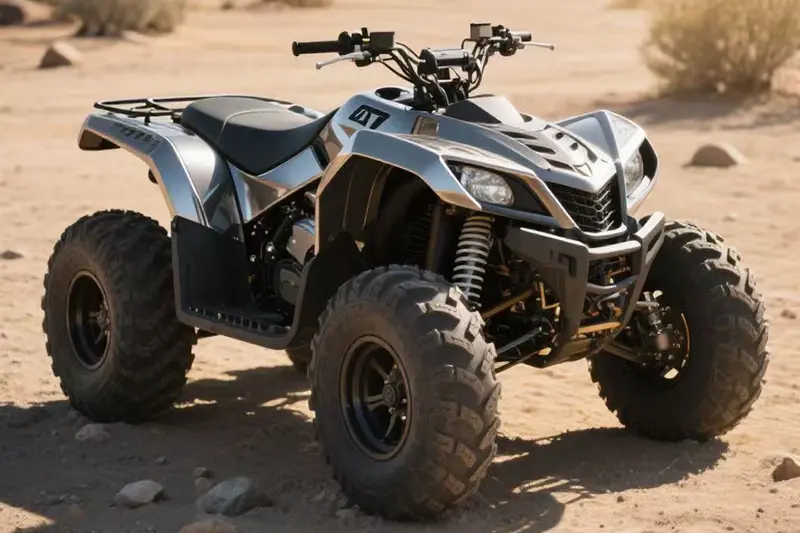
We provide a wide range of automotive and industrial components, categorized below to match specific market applications:
 VETOR GROUP