High-Quality Carburetor Joint Manufacturers & Exporters

Precision Engineering, Premium Elastomer Compounds & Enterprise-Grade Intake Solutions for Global Engine Manufacturers and Aftermarket Brands.

1. Technical Overview of Carburetor Joint Engineering & Sealing Technology

In the internal combustion engine sector, the carburetor joint—commonly designated as the intake manifold boot, carburetor adapter, or mounting flange—plays an irreplaceable role. Functioning as the structural conduit between the carburetor assembly and the cylinder head intake port, its primary purpose goes far beyond simple physical connection. It acts as a structural sealing barrier, keeping the exact fuel-air ratio required for clean combustion. Under normal operating conditions, these elastomeric joints must withstand continuous pressure differentials, structural engine vibrations, severe thermal cycles, and direct exposure to chemically aggressive hydrocarbons and ozone.

Historically, carburetor joint manufacturing suffered from rapid polymer degradation. Exposure to localized heat from the engine block, combined with the solvent properties of gasoline, frequently caused premature elastomer cracking and vulcanization breakdown. This resulted in vacuum leaks, introducing unmetered "lean air" into the combustion chamber. This lean-burn condition causes elevated cylinder head temperatures, engine knocking, erratic idling, and eventually, catastrophic engine failure. Modern engineering solves this problem by using advanced polymer formulations like Fluorocarbon (FKM) and Nitrile-Butadiene Rubber (NBR) matrices. These materials are reinforced with structural aluminum or steel collar inserts to guarantee a reliable, long-lasting seal.

Information Gain Insight: Vacuum integrity in the intake tract is key to minimizing tailpipe emissions and achieving optimal thermal efficiency. Even a micro-crack measuring 0.05mm can introduce sufficient unmetered air to disrupt electronic feedback loops or mechanical carburetor venturi pressures, reducing engine efficiency by up to 18%.
2. Elastomer Material Science: Selecting Between FKM, NBR, and Custom Compounds

As experienced carburetor joint manufacturers, VETOR GROUP understands that selecting the right material determines the component's service life. Different markets and applications require specific elastomer formulations to balance cost, chemical compatibility, and temperature limits. Below, we compare the main compounds used in modern carburetor joint production:

NBR

Nitrile Butadiene Rubber

Excellent oil and fuel resistance with high tensile strength. Best for standard operating temperatures (-30°C to +100°C). Highly cost-effective for standard commuter motorcycles and agricultural machinery.

FKM

Fluorocarbon (Viton)

Premium compound offering outstanding resistance to heat (up to +250°C), ozone, and oxygenated fuels (such as ethanol blends E10/E85). Essential for high-performance dirt bikes, ATVs, and heavy-duty vehicles.

ECO

Epichlorohydrin

Provides a balanced blend of low-temperature flexibility, ozone resistance, and fuel stability. Frequently chosen for utility machinery and winter powersports operating in extreme cold regions.

Our manufacturing facilities utilize high-grade metal-to-rubber bonding agents (such as Chemlok or equivalent) to vulcanize the structural metal flange directly to the rubber body. This prevents the metal insert from separating from the elastomer under high-frequency engine vibration or during installation torquing.

2005
Year Founded
ISO9001
Quality Certified
30+
Countries Exported
<0.03%
Defect Rate

Leveraging two decades of manufacturing expertise, VETOR GROUP supplies precision-engineered deep groove ball bearings, EMQ-grade bearings, motorcycle assemblies, and custom engine components to global markets.

3. Global Procurement Trends & OEM Purchasing Requirements

In today's globalized market, procurement officers and supply chain directors at major automotive and powersports brands look for more than just low unit costs. When sourcing carburetor joints and engine intake parts, modern procurement strategies focus on several key pillars:

  • Supply Chain Security and Geolocation: Relying on manufacturers located near global logistics hubs reduces lead times. VETOR GROUP’s location in Cixi City provides direct access to Ningbo and Shanghai Ports, keeping transit times to Europe, North America, and the Middle East short and reliable.
  • Regulatory and Environmental Compliance: Components must comply with international environmental mandates, including EU REACH and RoHS regulations. Our production processes avoid SVHCs (Substances of Very High Concern) to ensure trouble-free customs clearance and standard compliance.
  • Flexible MOQs and Rapid Tooling: As product life cycles shorten, buyers need manufacturers who can rapidly prototype and produce low-to-medium volume orders. Our engineering team can supply custom prototypes within 7 to 10 days of drawing approval.

VETOR GROUP Corporate Infrastructure

A comprehensive view of our manufacturing capabilities, quality control processes, and global presence.

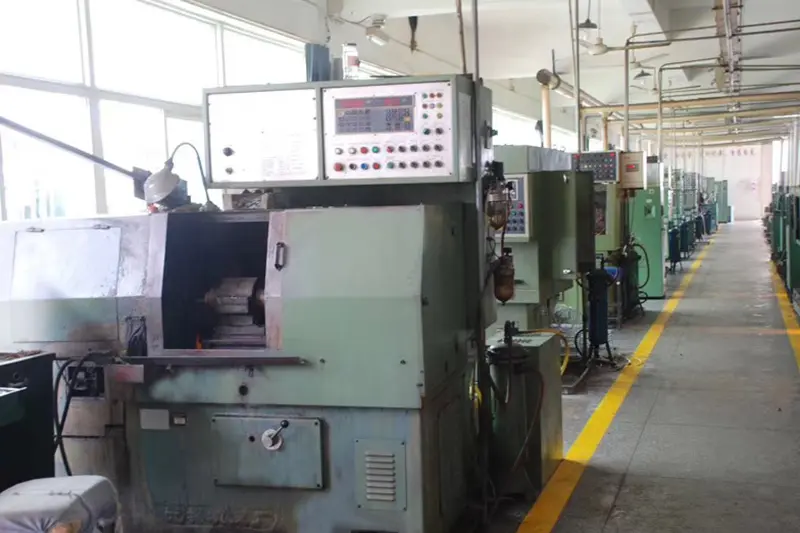
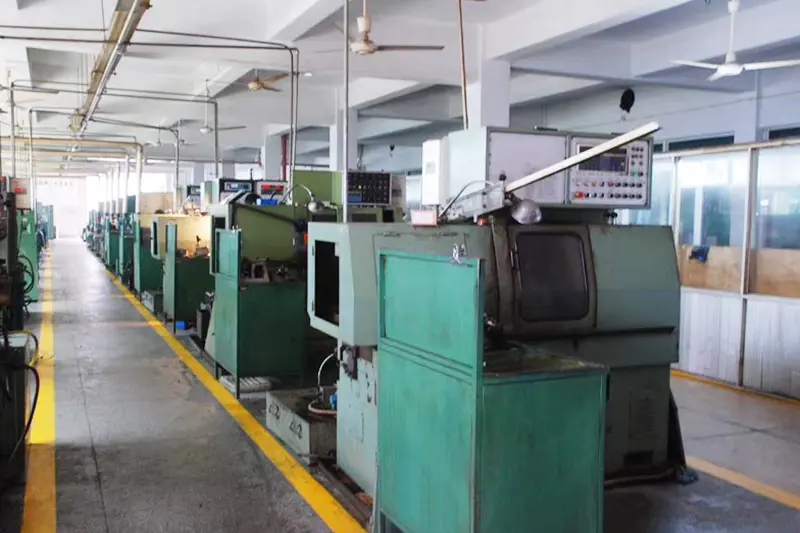
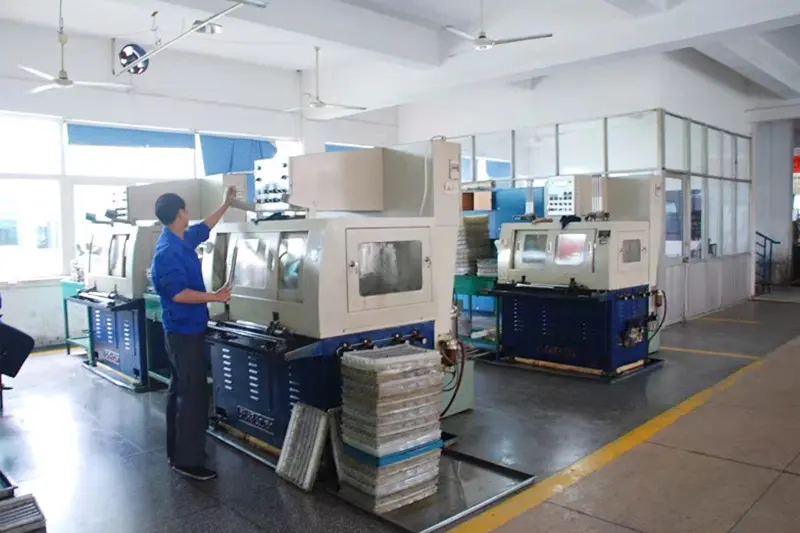
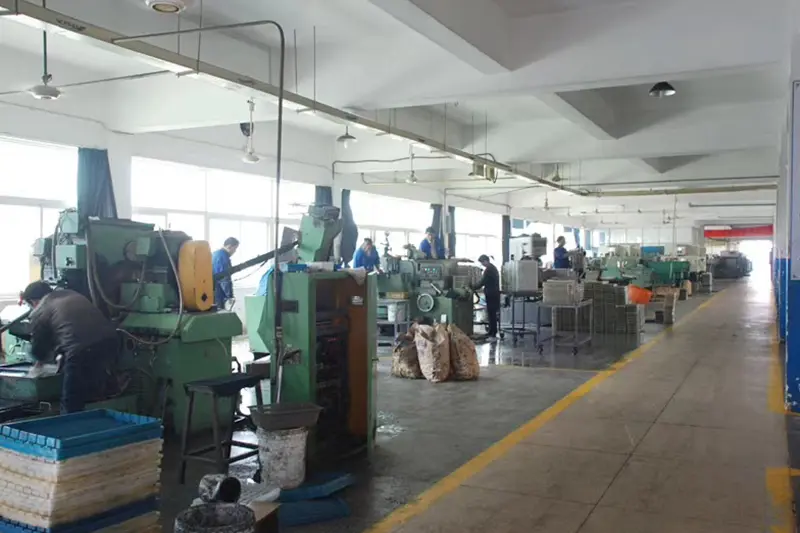
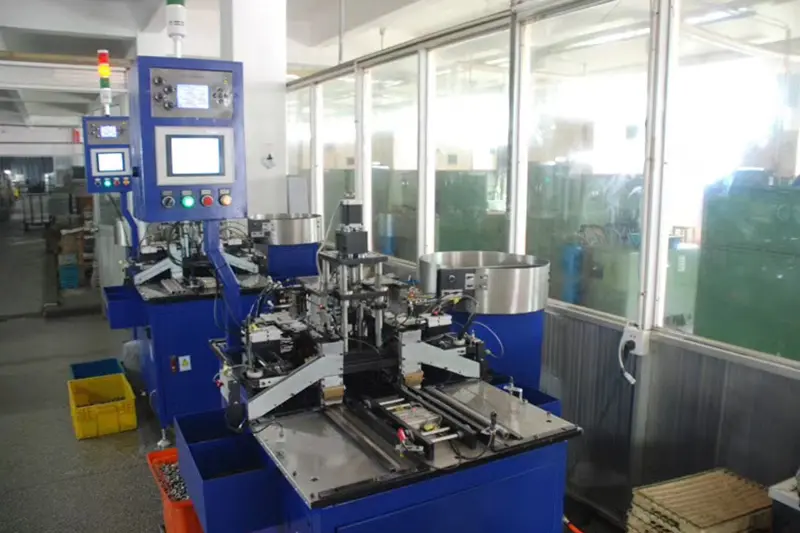
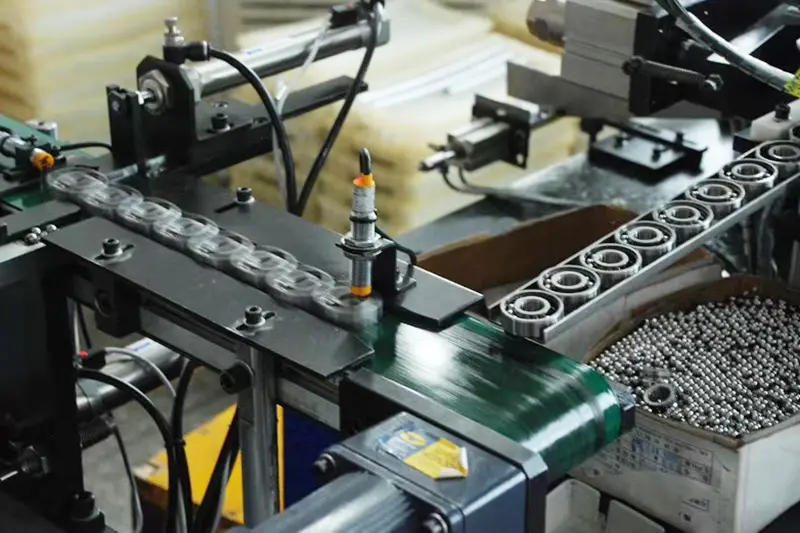
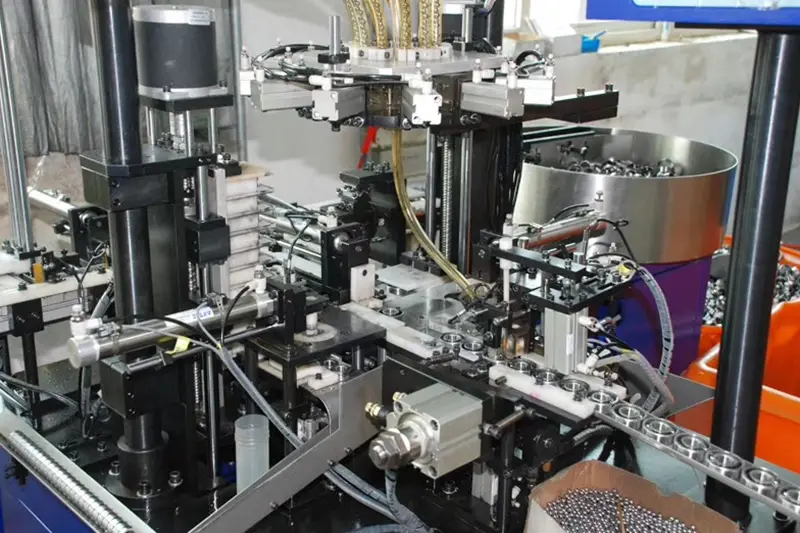
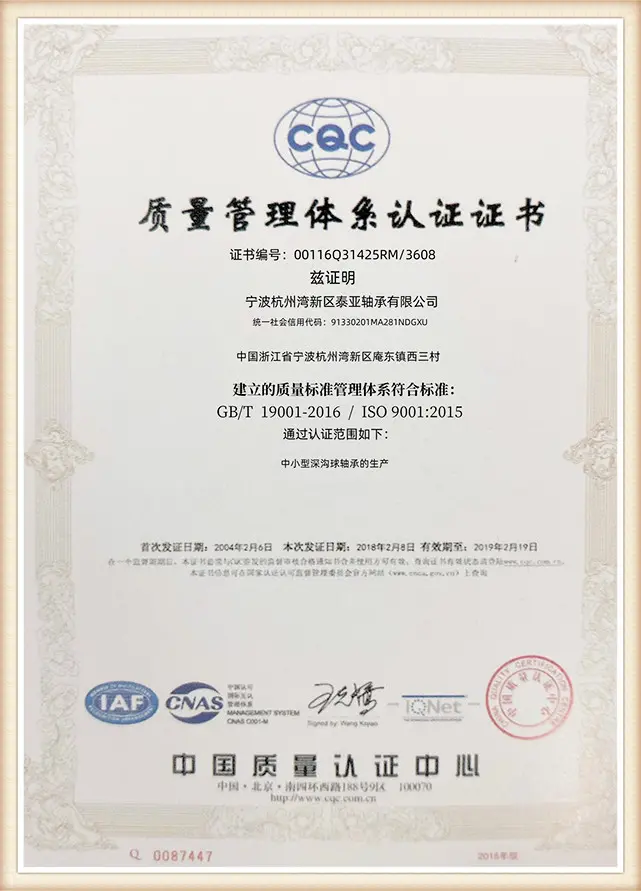
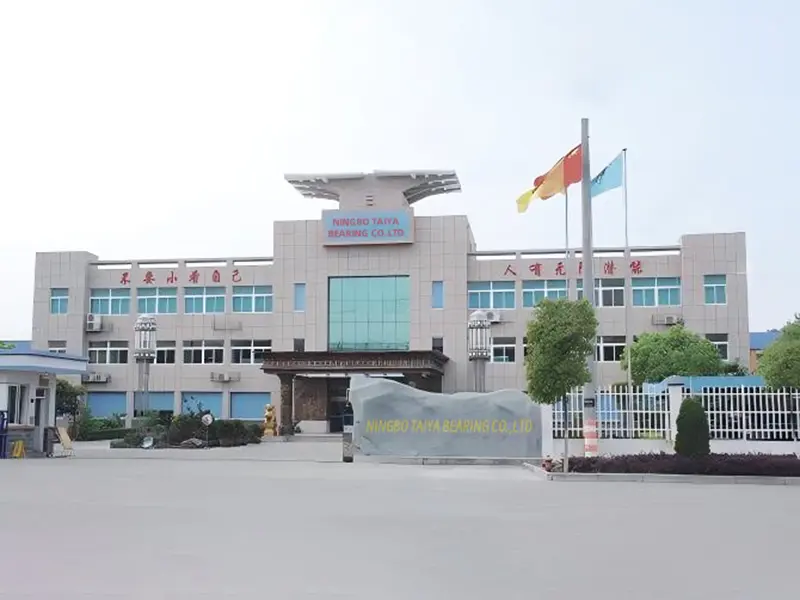
Founded in 2005, VETOR GROUP has built a reputation for high-precision manufacturing, specializing in bearings, automotive assemblies, and engine intake parts. All our processes are certified under the ISO9001 standard.
Vetor Group Headquarters
Factory Facility Inside
Manufacturing Line

Advanced Production & Inspection Facilities

Precision Inspection Device
VETOR Factory Machine
Machinery Operations
Quality Audits
Logistics Center
Engineered Output

4. Macro Solutions: Resolving Common Failures in Off-Road Powersports Engines

Engines in dirt bikes, ATVs, and off-road utility vehicles face harsher operating conditions than street vehicles. These demanding applications require specific solutions for carburetor joints:

Vibration Dampening: Off-road single-cylinder engines generate severe high-frequency vibrations that can crystallize fuel mixtures and accelerate fatigue in rigid plastic manifolds. Our elastomer formulation acts as a dampener, absorbing physical impacts and protecting the carburetor assembly from fuel frothing.

Corrosion from Ethanol Additives: Modern commercial gasolines frequently contain up to 10% to 15% ethanol, which acts as a powerful solvent that breaks down low-grade nitrile rubber. VETOR Group’s custom FKM compounds prevent swelling and internal degradation, maintaining a smooth, unrestrictive intake air flow over long service lives.

Technical Standard Note: Our carburetor joint assemblies undergo ISO 1817 liquid immersion testing, confirming volume swell rates below 5% when exposed to aggressive Test Fuel C at elevated temperatures.

VETOR Core Product Portfolio

Explore our diverse range of engineering components, developed to meet international performance standards.

VETOR Bearings

Bearings

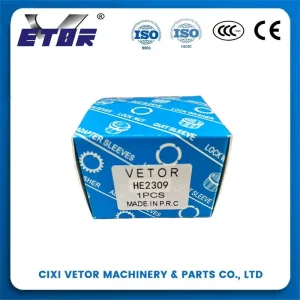
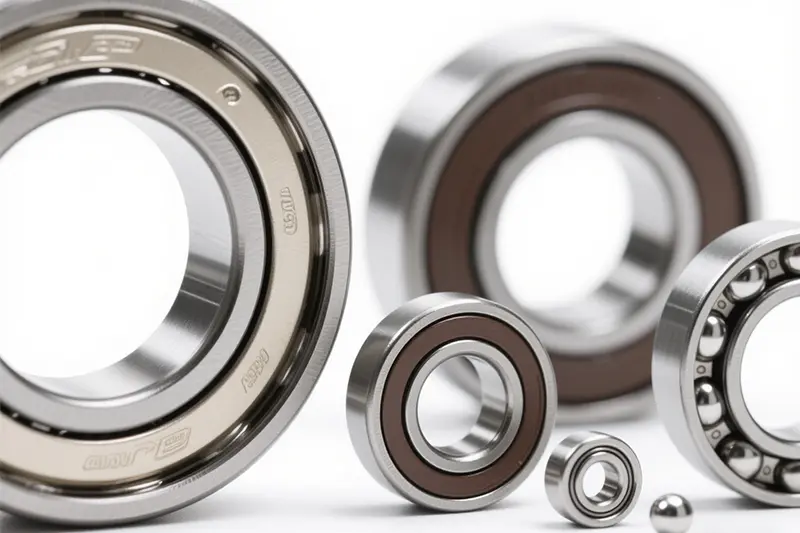
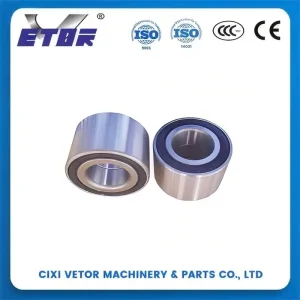
Deep groove ball bearings and EMQ-grade bearings (6mm-90mm) engineered for quiet, low-noise performance, high stability, and long service life across automotive and industrial applications.

Motorcycle Parts

Motorcycle Components

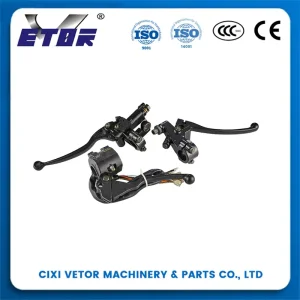
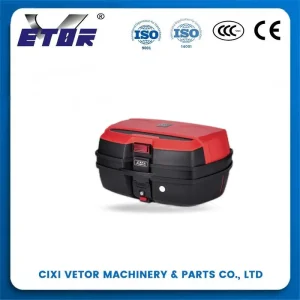
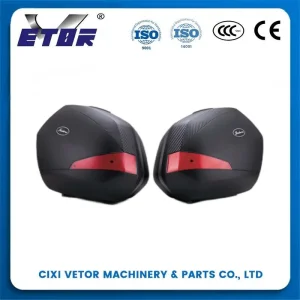
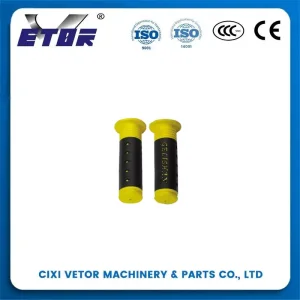
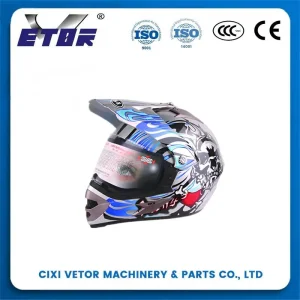
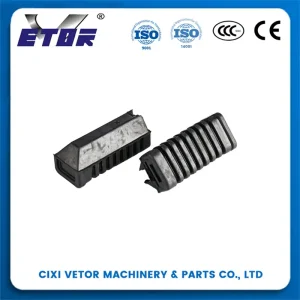
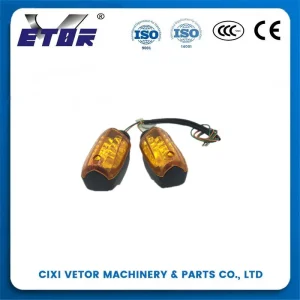
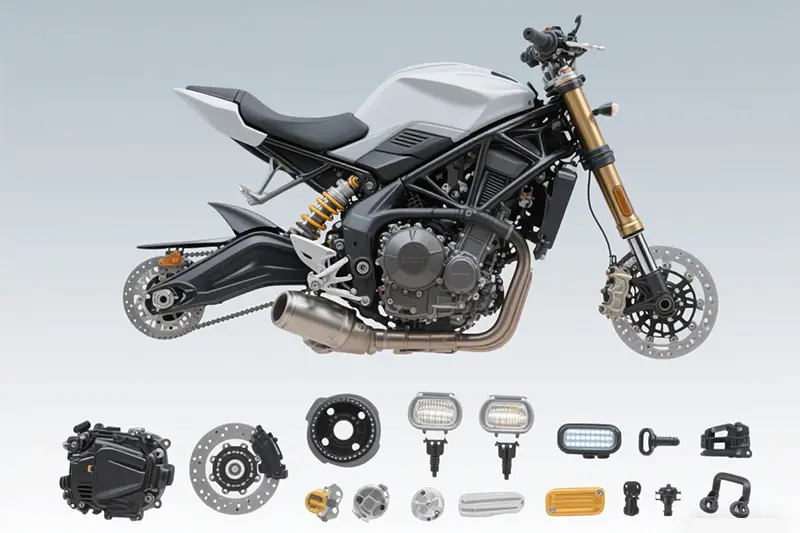
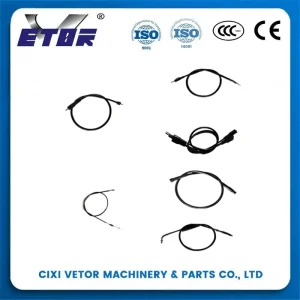
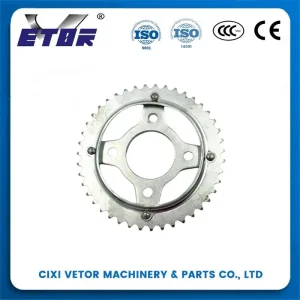
Durable engine parts, drive chains, braking components, suspension units, and carburetor accessories designed to meet rigid OEM specifications.

Auto Parts

Auto Parts

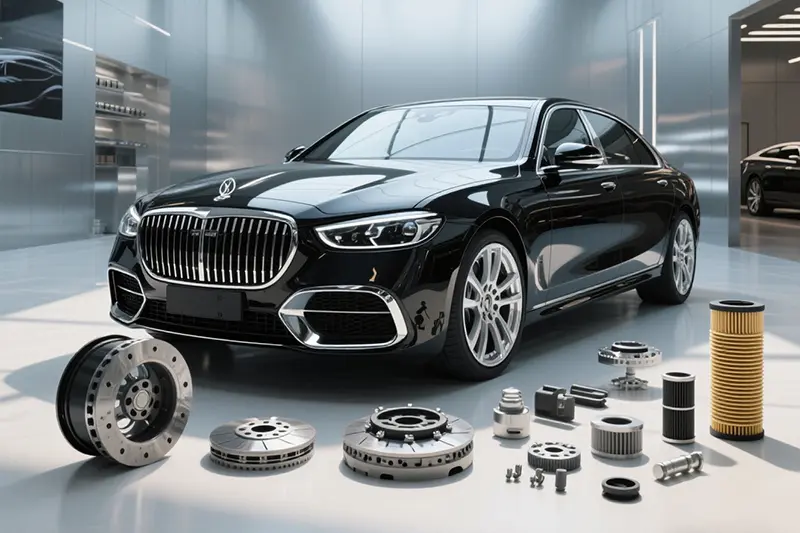
A comprehensive line of steering, suspension, cooling, and transmission replacement parts for light passenger and heavy commercial vehicles.

ATV parts

ATV Assemblies

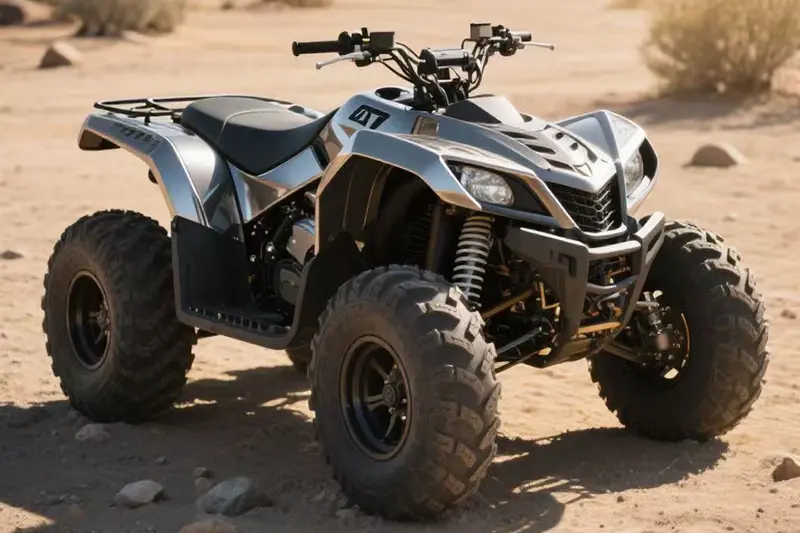
Heavy-duty, weather-resistant suspension systems, high-traction tires, and powertrain components designed for rough all-terrain conditions.

Dirt Bike Parts

Dirt Bike Components

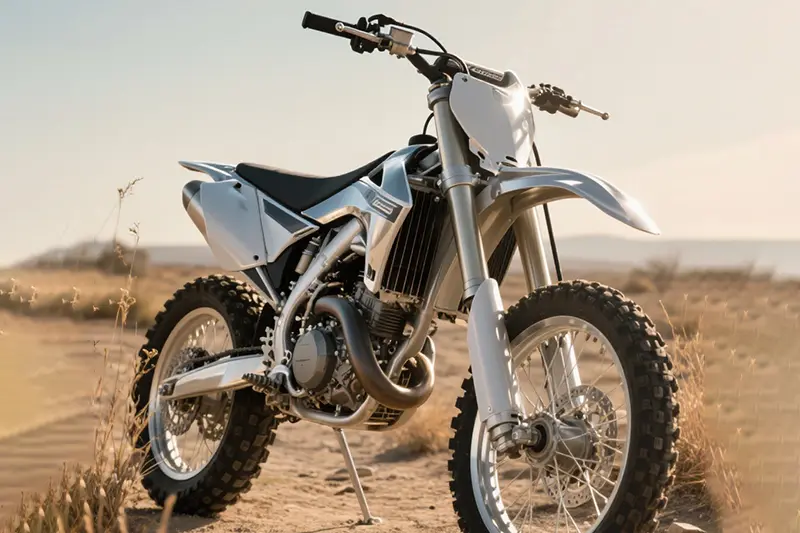
Competition-ready lightweight alloy frames, exhaust systems, and shock absorbers engineered to withstand severe off-road impacts.

Bicycle Parts

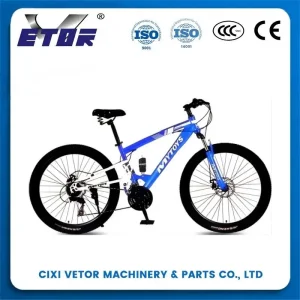
Bicycle & Parts

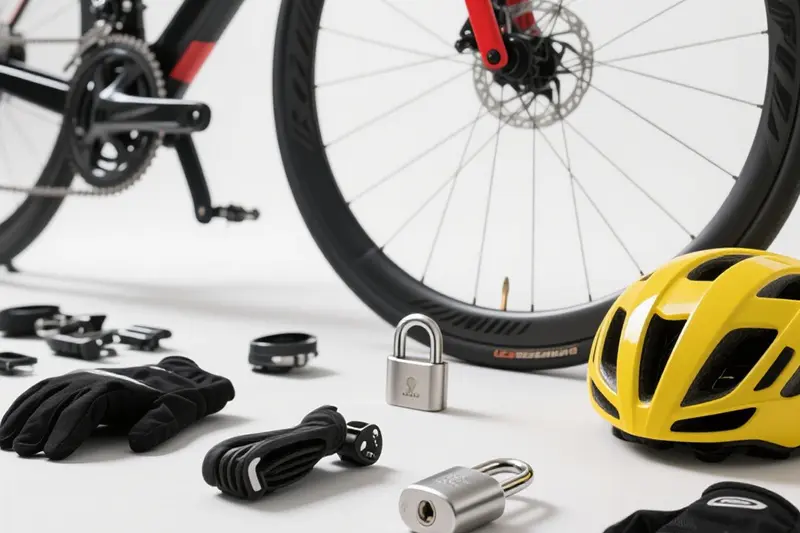
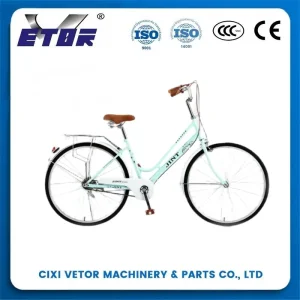
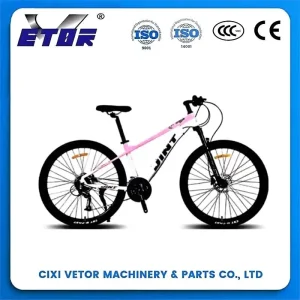
Precision drivetrains, lightweight frames, and performance braking components developed for amateur and professional cycling disciplines.

5. Localization Support & Worldwide Quality Compliance

Operating as an experienced exporter to over 30 countries—including Germany, Italy, Russia, Brazil, the UAE, Turkey, Pakistan, and Egypt—requires deep understanding of regional technical standards. VETOR Group provides localized regulatory documentation for our global partners:

European & North American Compliance

Components undergo strict compliance testing for EU REACH and US EPA ozone standards to verify that no banned plasticizers or toxic chemical additives are used in the manufacturing process.

Customs Documentation & Clearances

We provide full documentation, including certificates of origin, SGS test certification, and complete material data sheets, ensuring hassle-free processing through global customs points.

Certifications & Global Exhibitions

Our commitment to quality standards is backed by international certifications and active global participation.

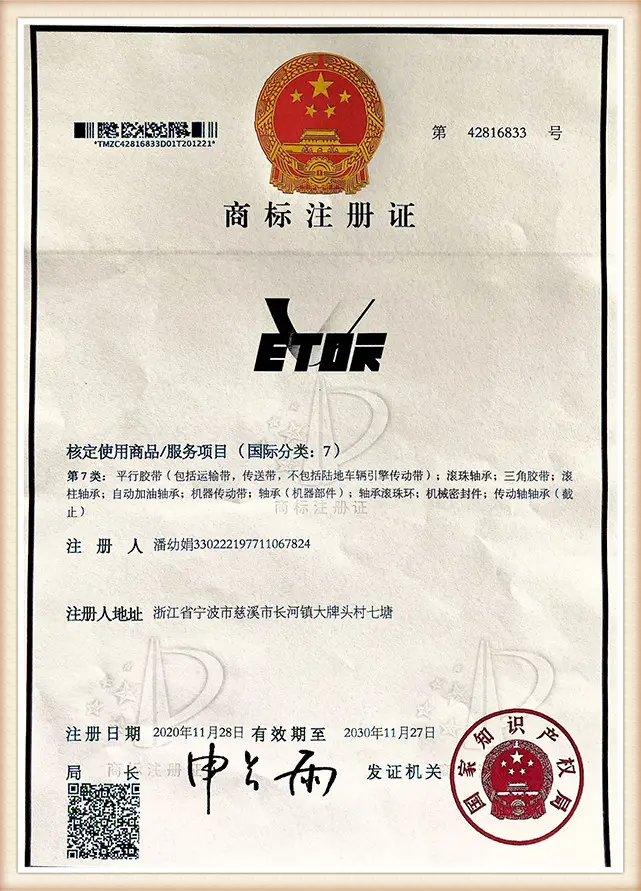
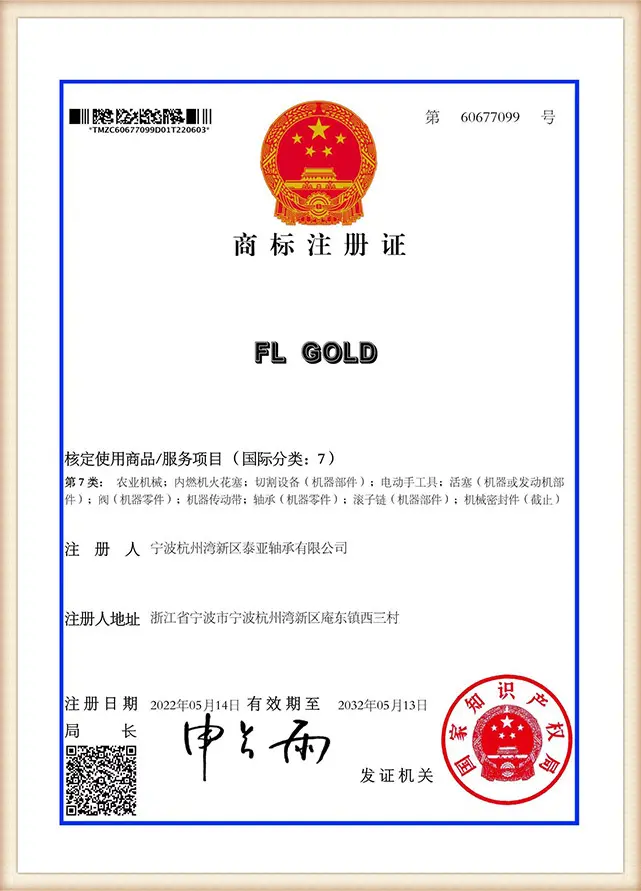
ISO9001 Certificate
Quality Standard Assurance
Compliance Document
ISO Audit Document
Industrial Certificate

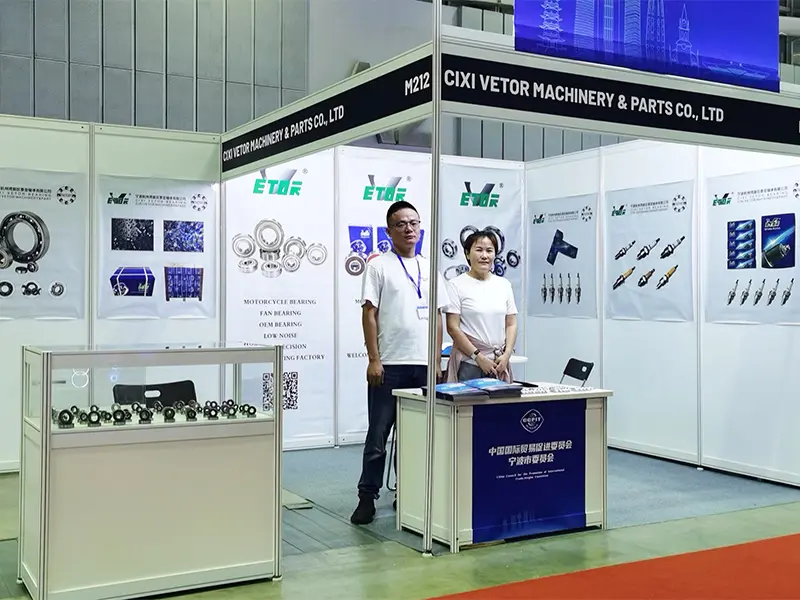
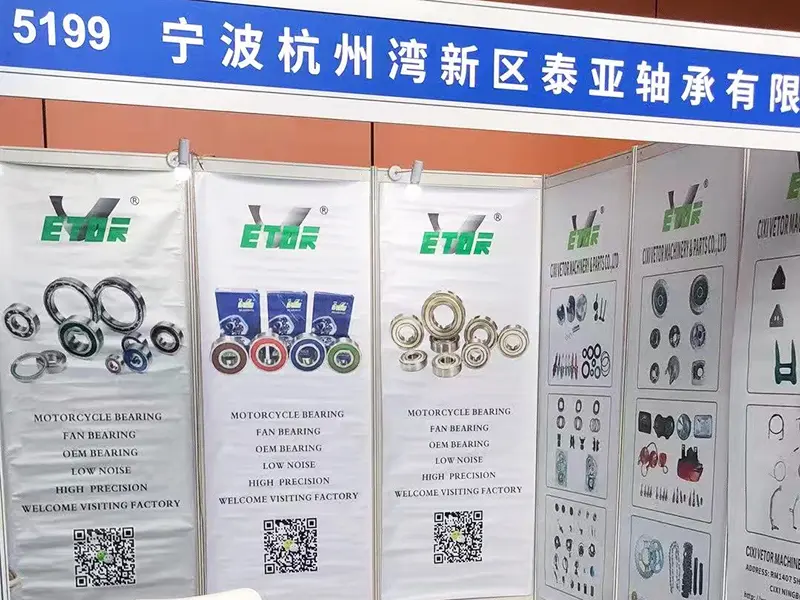
Global Operations & Industry Presence

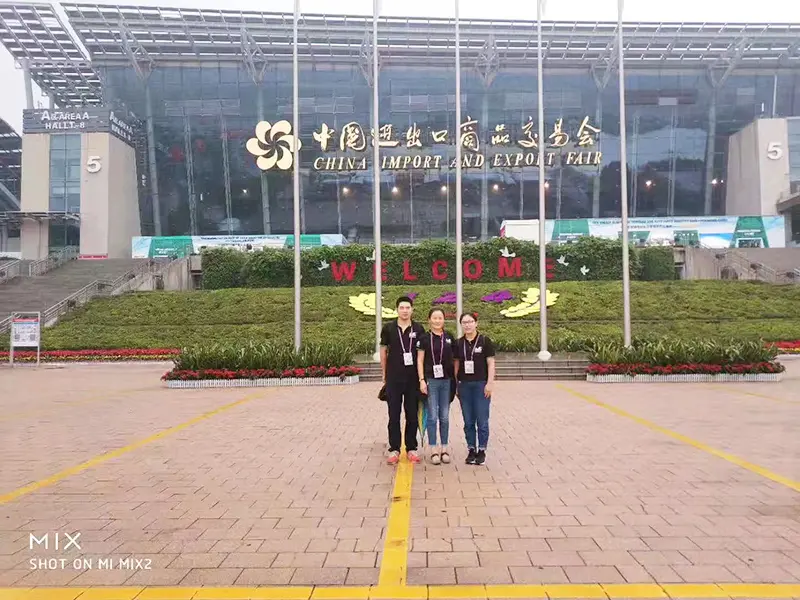
Exhibition Hall
VETOR Exhibition Display
Client Interaction

6. Technical Roadmap: The Evolution of Engine Intake Systems (2025-2030)

As environmental standards become stricter, the design of internal combustion engines is changing rapidly. The next generation of carburetor joints and intake manifolds will focus on key technological developments:

Advanced Fluorosilicone Blends (FVMQ): To meet the demands of extremely cold regions like Scandinavia and Northern Canada, we are testing custom FVMQ fluorosilicone blends. These materials maintain elastic properties at temperatures as low as -60°C while resisting fuel and oil degradation.

Microstructured Surface Optimization: Future intake designs will incorporate internal microstructures. By engineering the internal surface of the carburetor joint, we can reduce flow boundary layers, improving air-fuel mixing and helping engines run cleaner.

Integrated Sensor Mounting Flanges: To support hybrid small engines, we are developing carburetor joints with integrated sensor ports. These ports allow the direct installation of temperature and pressure sensors, enabling precise digital engine management.

Technical Q&A / FAQs

Get detailed technical answers regarding carburetor joint design, material properties, and failure diagnostics.

Q1: What are the primary indicators of a failing carburetor joint?

Common indicators include erratic engine idling, difficulty starting, and backfiring during deceleration. These issues occur because cracked or degraded rubber joints allow unmetered air to leak in, creating a lean fuel-air mixture. Visually, cracks around the mounting flange are a clear sign that replacement is needed.

Q2: Why is FKM/Viton preferred over NBR for high-performance applications?

FKM provides much higher resistance to temperatures (up to 250°C) and aggressive chemicals than standard NBR. It also resists breakdown from ozone and modern fuel additives like ethanol. While NBR works well for standard conditions, FKM is necessary to prevent premature failure in high-performance or high-heat environments.

Q3: How does VETOR GROUP ensure the metal-to-rubber bond does not separate?

We use a dedicated high-pressure vulcanization process combined with industrial Chemlok bonding primers. The metal insert is shot-blasted, primed, and placed directly into the mold, where the rubber is injected and cured under high pressure to form a permanent bond.

Q4: Can VETOR GROUP manufacture custom carburetor joints based on OEM drawings?

Yes, we provide full OEM/ODM customization. Customers can submit 2D/3D CAD drawings (DWG, STEP, or IGS files), and our engineering team will design custom tooling, provide prototypes within 7 to 10 days, and start volume production upon approval.

Q5: How does ethanol-blended fuel (such as E10 or E85) affect rubber carburetor joints?

Ethanol is highly hygroscopic and acts as a strong solvent. It penetrates standard rubber matrices, causing them to swell, lose tensile strength, and eventually crack. VETOR Group uses modified elastomer compounds designed to resist ethanol swelling, ensuring long-lasting sealing performance.

Q6: What quality testing protocols are used during production?

We test every production batch for shore hardness, tensile strength, elongation limits, and oil resistance. Finished joints undergo pressure testing at -0.8 bar vacuum to confirm air-tight seals before packaging.

Q7: What is the typical lead time for international bulk shipments?

Standard orders take 7 to 20 days to process. If custom mold creation is needed, the tooling phase adds 10 to 15 days. Our proximity to major shipping ports in Shanghai and Ningbo ensures fast export transit times.

Q8: How can buyers prevent installation damage to elastomeric joints?

Damage during installation can be avoided by following OEM torque specifications on the mounting bolts. Over-tightening can crush the metal inserts or tear the surrounding rubber. Installers should also verify that the cylinder head face is clean and smooth before mounting.