Explore our premium range of highly engineered industrial components, bearings, and heavy-duty hardware built for extreme endurance.
Unveiling the economic drivers, environmental standards, and market demands forcing a revolution in air filter designs.
The global automotive aftermarket and original equipment manufacture (OEM) sectors are experiencing a tectonic shift. With tightening emissions regulations globally—such as Europe's Euro 7 standards, EPA guidelines in North America, and China VI emissions standards—the role of the engine air filter has expanded. It is no longer just a consumable part designed to keep large dust particles out; it is now a critical component in ensuring optimal combustion chemistry, reducing fuel consumption, and safeguarding advanced turbochargers and variable geometry intake manifolds.
Statistically, the global automotive air filter market is projected to reach several billion dollars by 2030, driven by the expanding passenger vehicle fleet and the rigorous demands of heavy duty logistics. Industry analysts note that fleet operators and commercial distributors are focusing heavily on Total Cost of Ownership (TCO). High-performance filtration media reduces engine friction, avoids premature wear on piston rings, and maintains volumetric efficiency, resulting in measurable fuel savings over hundreds of thousands of operating kilometers. As exporters shipping to Europe, the Americas, and Southeast Asia, we recognize that meeting local standard parameters like ISO 5011 (for air filter evaluation) and EN 779/ISO 16890 (for cabin/general ventilation) is the minimum baseline for commercial success.
According to engine friction analysis, particles in the 5 to 20-micron range pose the highest risk of abrasive wear to engine valves and cylinder walls. Modern car air filters must achieve a fractional efficiency of over 99.5% for these particle sizes to ensure long-term engine survival.
How nanotechnology, sustainable materials, and smart diagnostic sensors are shaping the future of engine intake purification.
By coating standard cellulose paper with sub-micron polymer fibers (typically 100-300 nanometers), we create a surface-loading filtration mechanism. This dramatically increases dust-holding capacity (DHC) while keeping airflow resistance (differential pressure) low.
Utilizing melt-blown synthetic materials equipped with permanent electrostatic charges (electrets) allows our filters to attract and hold microscopic soot, combustion particles, and pollen without needing denser fiber weaves that choke the air intake.
Looking forward, the roadmap integrates micro-differential pressure sensors directly into the filter housing structure. This enables active monitoring of airflow restriction and feeds real-time degradation metrics to the vehicle's ECU or telematics platform.
Furthermore, sustainability has become an urgent focus area. The traditional car air filter uses a polyurethane (PU) frame bonded to mixed-fiber cellulose, making recycling exceptionally difficult. Our design roadmap is actively transitioning toward monomaterial configurations—such as 100% recyclable polyethylene terephthalate (PET) structural frames combined with synthetic thermal-bonded filter sheets. These components can be shredded and re-extruded at the end of their operational lifecycle, aligning with European Circular Economy Directives and helping global OEMs lower their Scope 3 greenhouse gas emissions.
Engineered for real-world environmental challenges, from dust storms to extreme high-humidity monsoons.
Air filtration is not a one-size-fits-all product. Different geographical markets pose vastly different challenges for vehicles. As a reliable manufacturing partner, VETOR GROUP engineers products to fit localized environments:
In regions like the GCC countries, high concentrations of fine silica dust quickly clog standard filters. Our solutions utilize multi-layer synthetic media with a highly sticky structural tackifier and pre-filter foam wraps to block 99.9% of coarse sand while keeping replacement intervals long.
Tropical climates in regions like Southeast Asia subject filter media to water mist and mold growth. Our filters undergo specialized hydrophobic and oleophobic chemical treatments to prevent pleat collapse and structural degradation when wet, ensuring consistent flow rates.
Urban vehicles endure stop-and-go driving with massive exposure to toxic gases (NOx, SO2) and fine particulate matter (PM2.5). Here, we combine particulate filtering layers with advanced coconut-activated carbon layers to adsorb harmful odors and exhaust chemical compounds.
Leveraging geographical clusters, advanced automation, and strategic logistical positioning to deliver unmatched speed and reliability.
Located in Cixi City, Zhejiang Province—one of China's most robust industrial and automotive components clusters—VETOR GROUP represents the pinnacle of Chinese supply chain resilience. Our manufacturing ecosystem integrates raw material suppliers, specialized tooling designers, and automated assembly operations within a tight 50-kilometer radius. This geographic cluster reduces the transit time of raw components (such as specialized filter papers, polyurethane resins, and steel meshes) to hours rather than days.
Furthermore, our proximity to two of the busiest shipping networks in the world—Shanghai Port and Ningbo Port—grants us distinct logistical advantages. Standard containerized cargo can transition from our factory floor to a deepwater cargo vessel within 24 to 48 hours. By streamlining customs documentation and relying on established logistics routes, we mitigate supply chain disruptions, buffer stock shortages, and protect our global buyers against freight delays.
Drive to Major Airports
Port Dispatch Time
Filtration Efficiency Rate
International Standard Certified
Established foreign trade group and industrial manufacturer specializing in auto parts, high-performance bearings, and mechanical systems.
VETOR GROUP was founded in 2005 as a comprehensive foreign trade group specializing in import and export operations. Strategically headquartered in Cixi City, Ningbo, China, on the bank of the fertile and scenic Hangzhou Bay, we benefit from unparalleled logistics connections. Both Hangzhou Xiaoshan International Airport and Ningbo Lishe International Airport are only about a 90-minute drive away, facilitating easy business visits and express sample approvals.
We supply a massive portfolio of precision parts including Motorcycle Parts, Auto Parts, ATVs, Dirt Bikes, Bicycles, and Related Components. Committed to exceeding customer expectations, we provide diverse, high-quality products and services designed to help our clients thrive in highly competitive global market environments. Every component in our catalog is exported worldwide under strict ISO9001 international quality management standards.
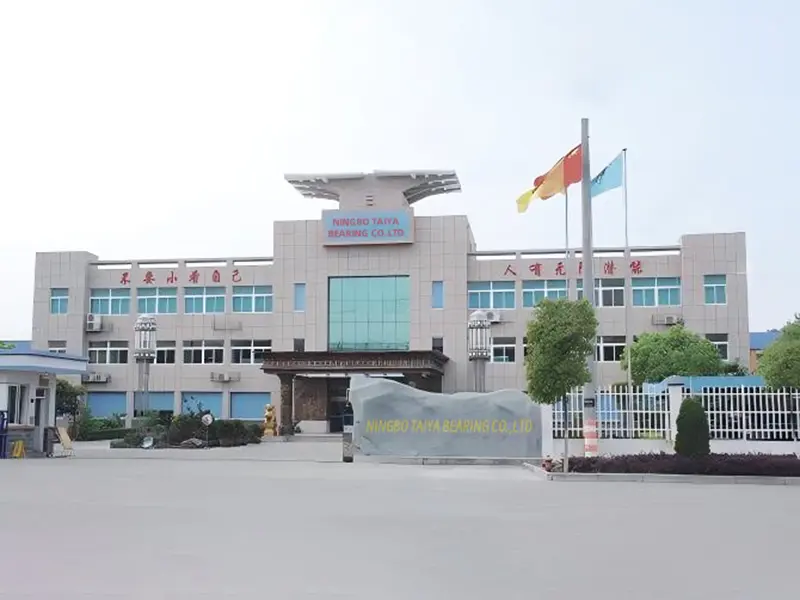
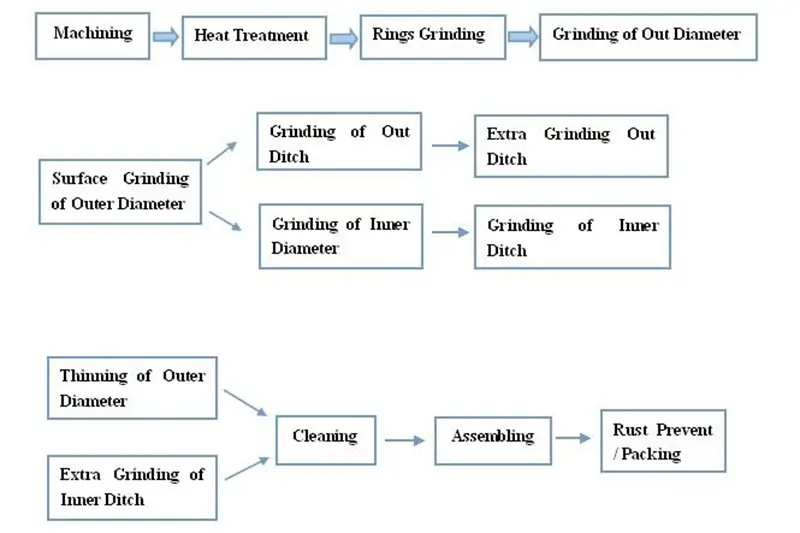
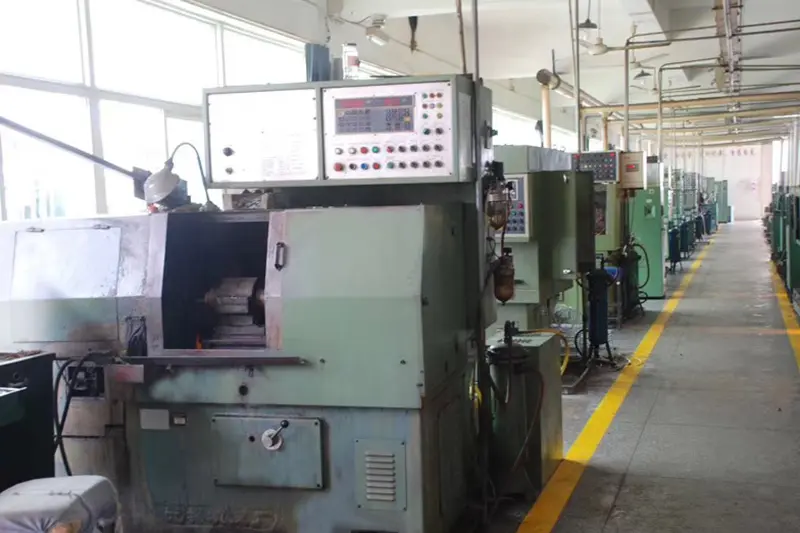
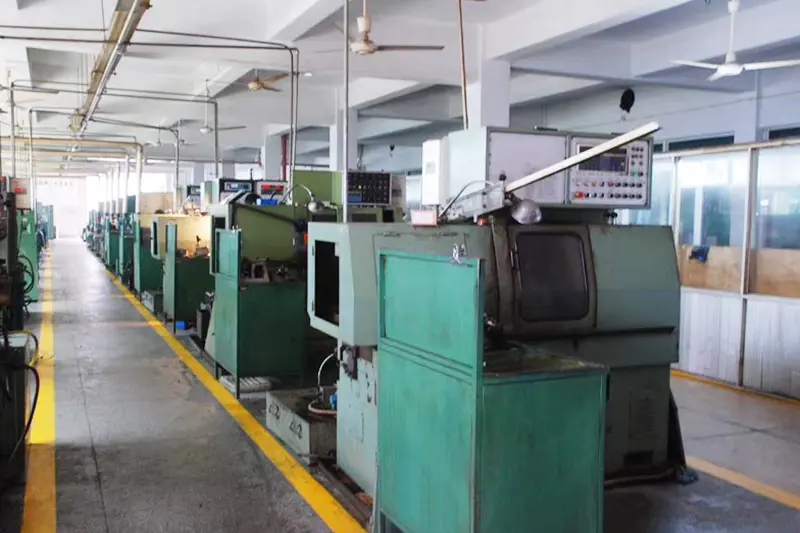
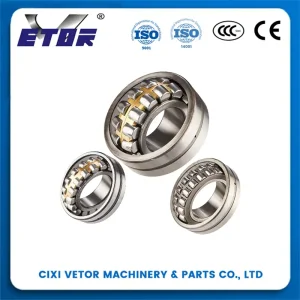
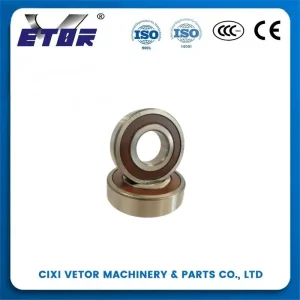
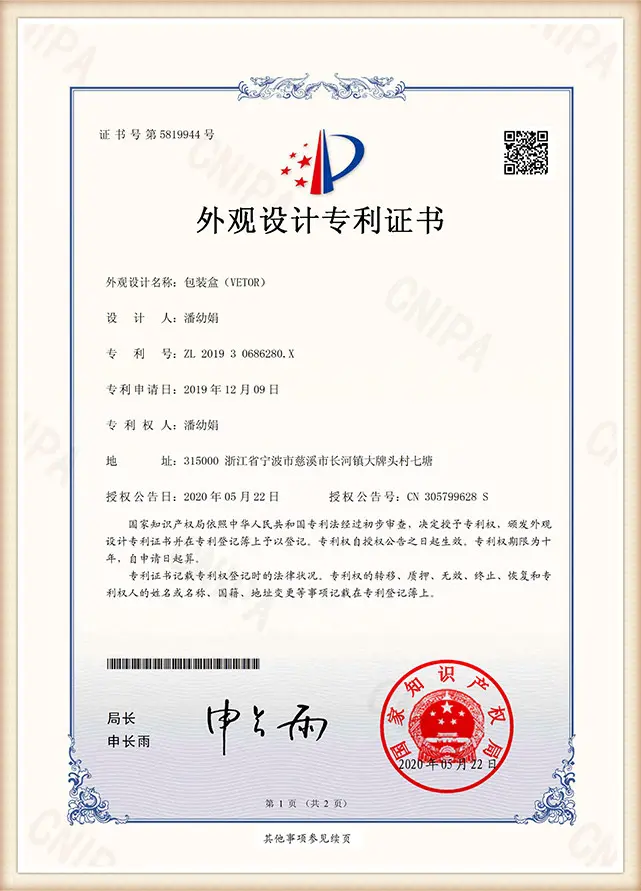
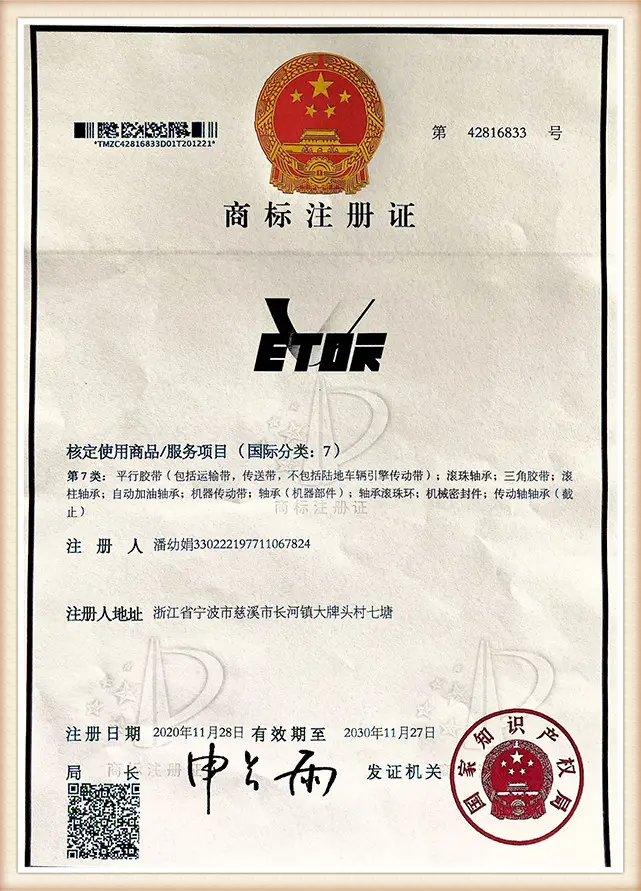
Beyond external sourcing, our dedicated in-house manufacturing facility specializes in the production of deep groove ball bearings and EMQ (Electric Motor Quality) grade bearings, with inner ring dimensions ranging from 6mm to 90mm. We place a strong emphasis on continuous brand development. Our VETOR brand bearings are globally recognized for their low noise, minimal vibration, low friction coefficient, exceptional sealing performance, structural operational stability, and extremely long service life without abnormal sound profiles.
Precision-made industrial and transport components designed to withstand severe operating environments.
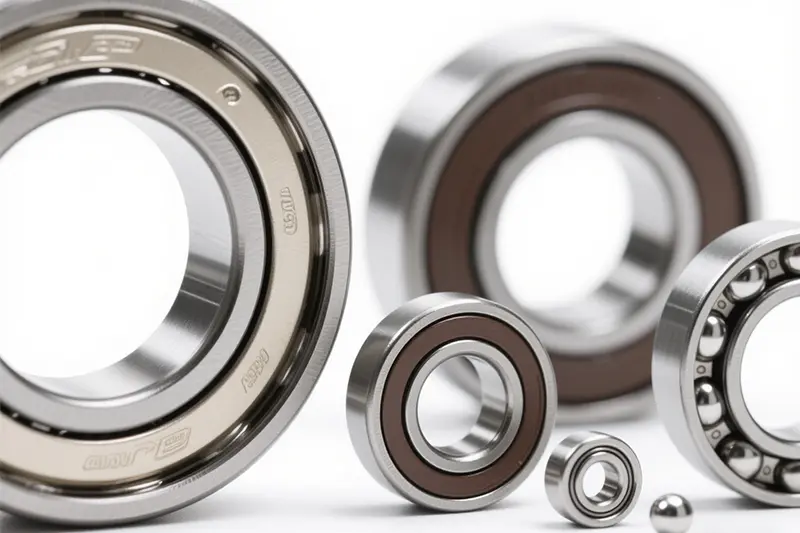
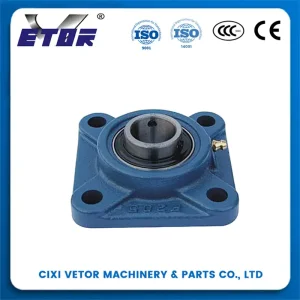
Engineered deep groove ball bearings and EMQ grade bearings (6mm-90mm inner diameter). Operating with exceptionally low noise, minimum vibration, and optimized sealing, these bearings are widely deployed in electric motors, washing machines, medical equipment, and high-rpm automotive alternators.
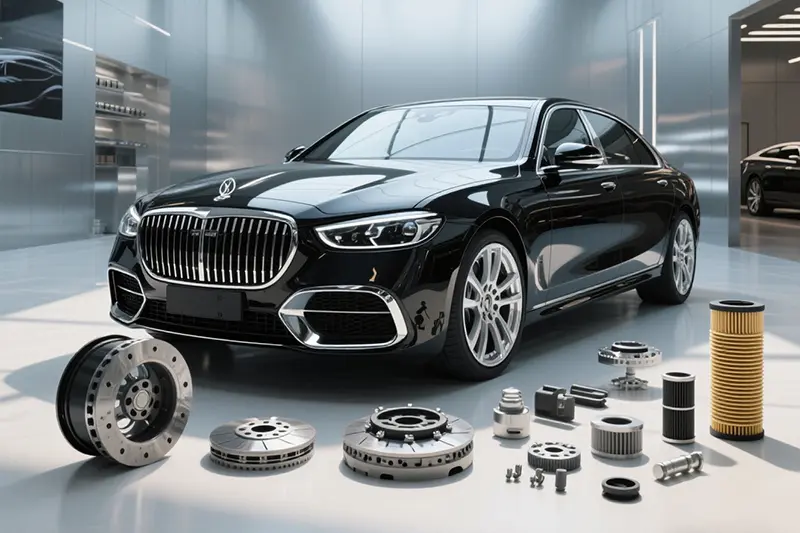
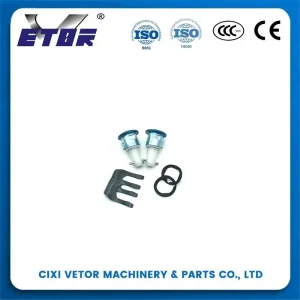
Including cooling system parts, steering gears, heavy-duty suspension joints, and our flagship high-quality car air filters. All auto parts undergo strict dimensional inspection and performance testing to ensure seamless compatibility with OEM vehicle specifications.
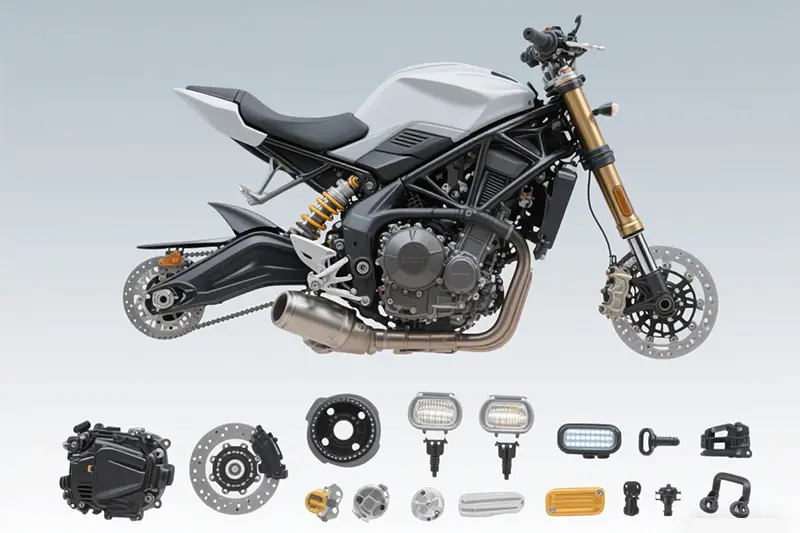
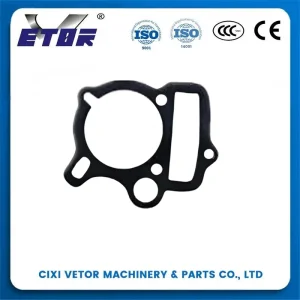
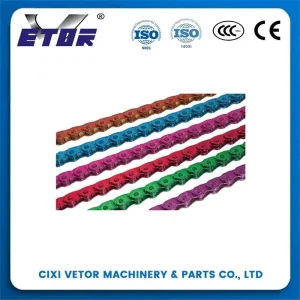
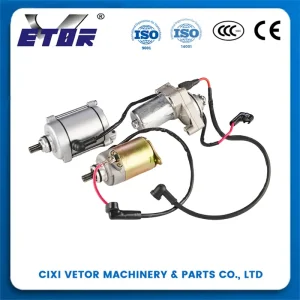
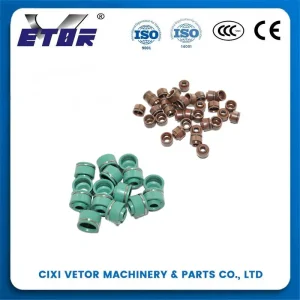
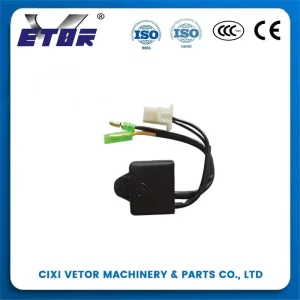
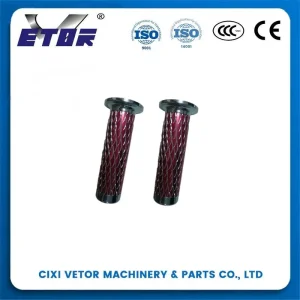
From durable drive chain systems, wear-resistant gaskets, and high-performance CDI units, to starter motors and robust structural components. Engineered to handle high RPMs and heavy road vibrations across commuter and sports motorcycles alike.
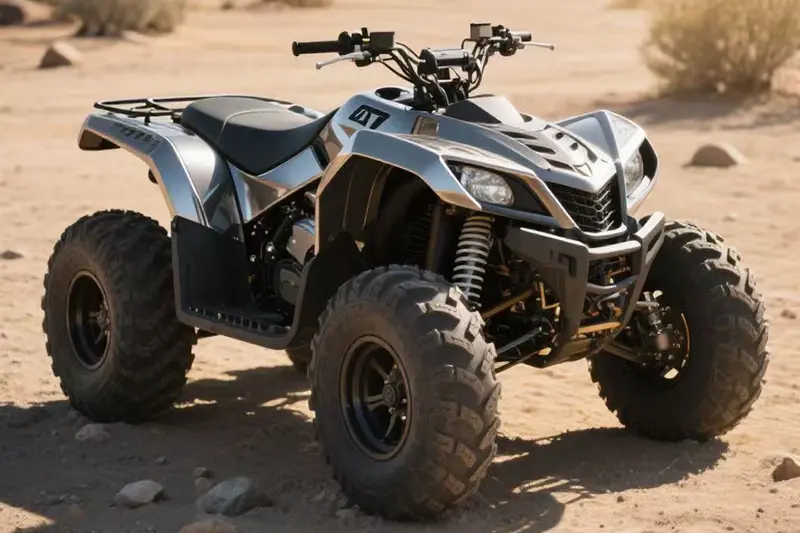
Designed for extreme off-road terrain. Featuring heavy-duty suspension shocks, highly sealed wheel hubs, protective skid plates, and weather-proof electrical harnesses that keep all-terrain vehicles operational in mud, snow, and sand.
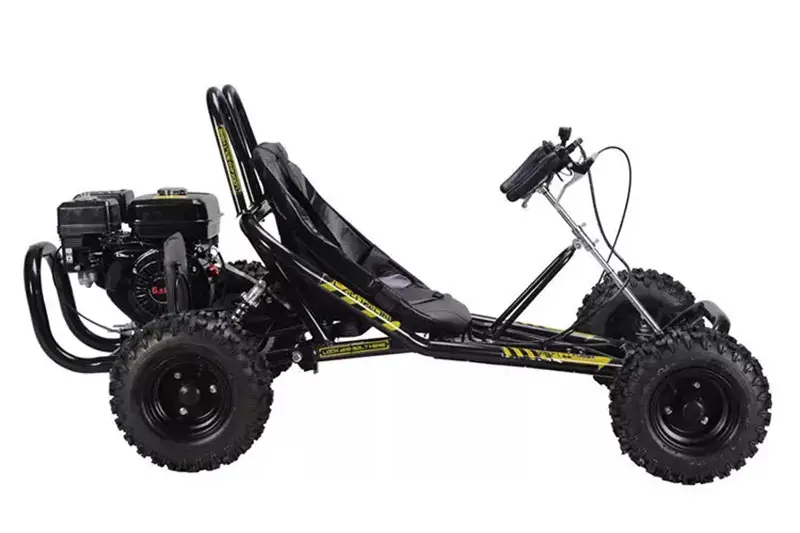
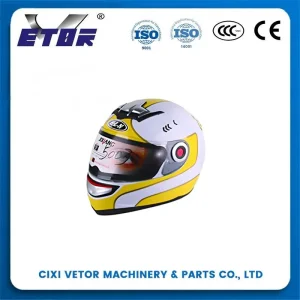
Providing precision chassis hardware, high-grip braking systems, and drive sprockets. Engineered to meet professional racing and recreational karting standards with safety-centric materials.
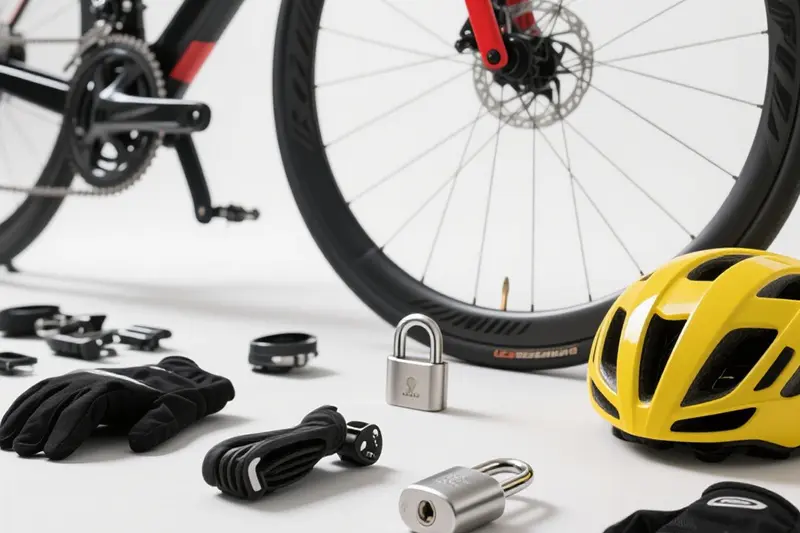
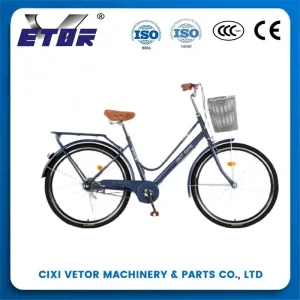
Lightweight alloy mountain bikes, durable spokes, gear shifters, and reliable brake systems. Our designs focus on ergonomic efficiency, weight reduction, and weather-resistant mechanical linkages for daily commuting or competitive cycling.
Ensuring compliance with international import frameworks, regional emissions limits, and dedicated local assistance.
Importing mechanical parts and air filters into markets like the EU, USA, or South America requires strict compliance with complex safety and chemical standards. All raw materials used in VETOR GROUP products comply with European REACH and RoHS regulations, ensuring no hazardous chemical binding agents are present in our filters. Furthermore, our production practices conform to ISO9001 standards, ensuring high repeatability and traceability.
To support global distributors, we provide robust localized compliance assistance. This includes full customs documentation, certificates of origin, testing certificates (such as dust capacity testing logs under ISO 5011), and custom packaging designed to withstand transoceanic shipping stresses. For OEM partners, our engineering department provides rapid 3D prototyping within 7 to 10 days, allowing quick design iterations and vehicle installation testing before committing to large-scale mass production runs.
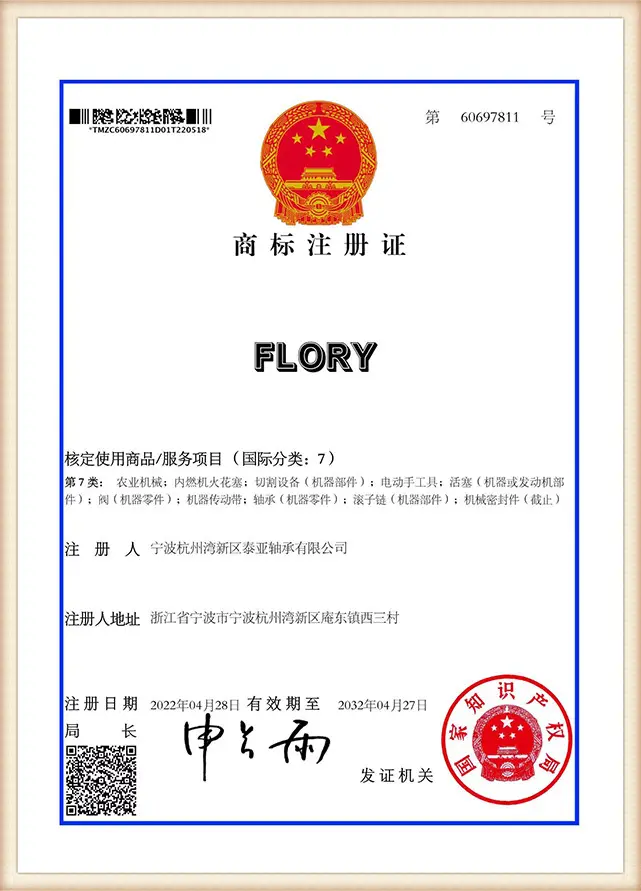
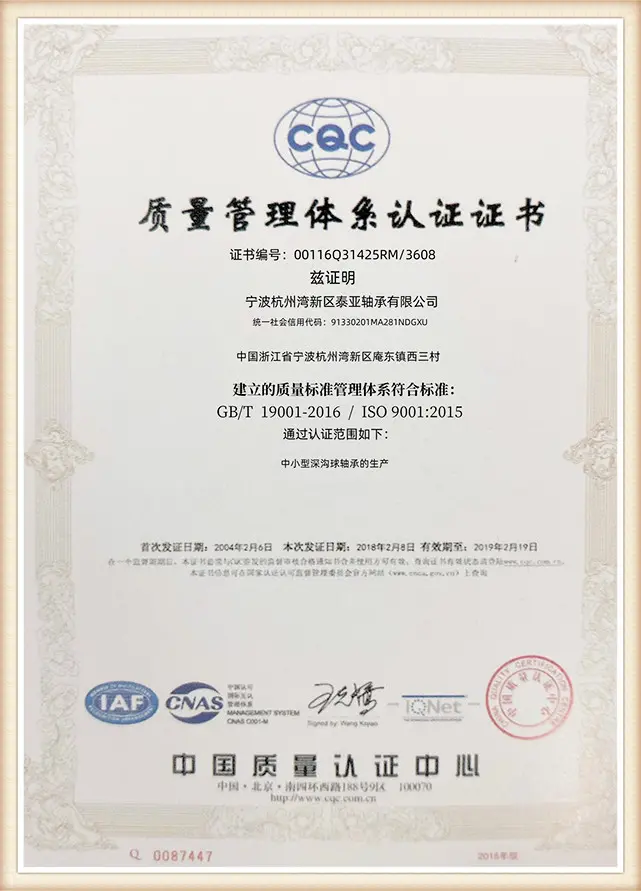
How our component engineering services support critical industries globally.
Optimizing fuel efficiency and reducing internal engine wear with high-performance cabin filters, intake filters, and low-friction wheel hub bearings.
Supporting manufacturing tools, agricultural harvesters, textile equipment, and medical gear with high-precision ball bearings and heavy transmission chains.
Providing whisper-quiet EMQ bearings for fans, air conditioning blowers, and vacuum cleaner motors to improve efficiency and minimize vibration.
Quick answers to common questions about technical parameters, manufacturing standards, and importing logistics.
Direct from our Ningbo-based shipping hub. Certified quality, custom packaging, and fast logistics dispatch.
 VETOR GROUP