Choosing the right Valve Guide manufacturer can influence engine durability, oil control, and maintenance costs. For global buyers, the decision involves more than comparing catalog prices. Material quality, machining accuracy, heat resistance, and supply consistency deserve close attention. A guide that looks affordable may create expensive problems if its tolerances are inconsistent.
This article reviews 10 Best Valve Guide Manufacturers for Global Buyers? It focuses on practical purchasing factors, including manufacturing experience, quality systems, product range, customization, and international delivery capabilities. Buyers should examine whether each supplier provides clear technical data, dimensional reports, material specifications, and traceable inspection procedures. These details matter when valve guides must fit cylinder heads precisely and perform under repeated thermal stress.
Fit matters most.
The evaluation also considers communication quality and after-sales support. A reliable manufacturer should answer technical questions clearly, explain production limits, and identify suitable materials for different engines. Certifications can support credibility, but they should not replace independent verification or sample testing. Buyers may still need to confirm hardness, concentricity, surface finish, and compatibility with their own valve stems.
No ranking is perfect. Supplier performance may vary by region, order volume, and production period. Some manufacturers excel at large automotive programs, while others serve smaller repair or performance-engine customers more effectively. Therefore, this overview should support careful comparison rather than replace technical due diligence. By reviewing these manufacturers through an evidence-based lens, global buyers can reduce sourcing risks and select Valve Guide partners with greater confidence.
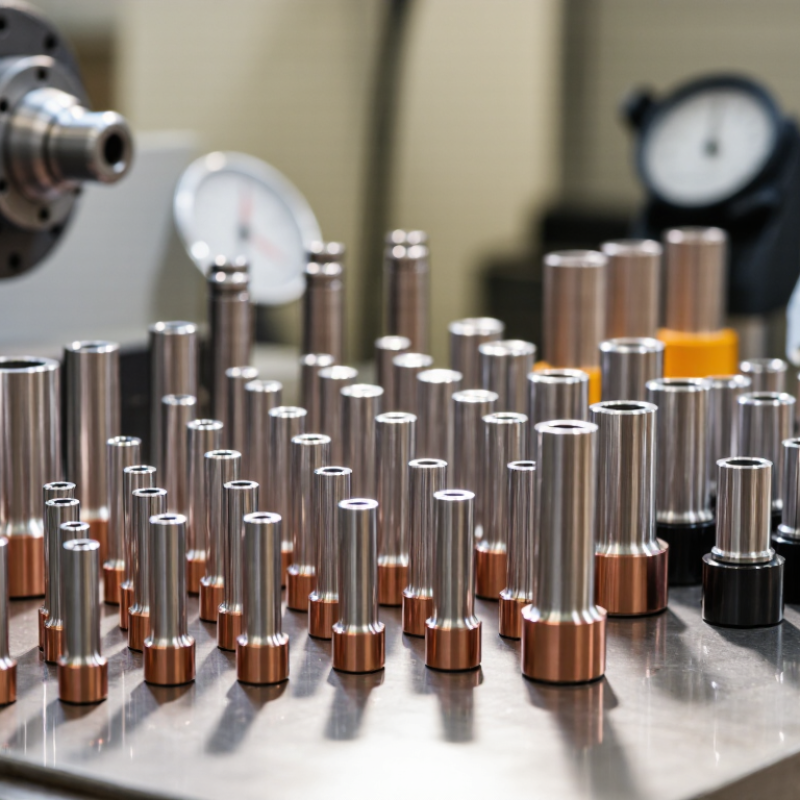
What Are Valve Guides and Why Do They Matter?
Valve guides are small, but they control a critical movement inside an engine cylinder head. They support the valve stem and keep the valve aligned with its seat during thousands of opening cycles. This alignment helps control oil consumption, compression, heat transfer, and emissions. A worn guide can create blue exhaust smoke, noisy operation, uneven compression, or accelerated valve-seat damage. Small part. Expensive consequences.
Material selection matters. Powdered-metal guides often balance wear resistance, thermal conductivity, and cost. Bronze alloys can offer better lubrication behavior, especially in performance or high-temperature applications. However, no material solves every installation problem. Clearance must match the valve stem, lubricant, operating temperature, and engine design. According to Grand View Research, the global automotive valves market was valued at roughly 28 billion U.S. dollars in 2023, with continued growth expected through 2030. That scale reflects strong demand for reliable valve-train components, including guides.
Professional inspection should include bore measurement, stem-to-guide clearance, surface condition, and guide protrusion. ISO and SAE engineering practices emphasize controlled tolerances rather than visual judgment alone. In field repairs, technicians sometimes replace guides without checking the valve stem. That is a mistake worth admitting. A damaged stem can quickly wear a new guide. Buyers should request dimensional reports, material specifications, hardness data, and traceability records. These documents do not guarantee perfection, but they make quality easier to verify.
How to Evaluate Valve Guide Manufacturers Worldwide
How to Evaluate Valve Guide Manufacturers Worldwide
Reliable valve guide sourcing begins with material evidence, not attractive catalogs. Ask for alloy specifications, hardness ranges, dimensional reports, and batch traceability. Guides may use cast iron, powder metal, or bronze, depending on temperature, lubrication, and engine design. Request samples from production tooling, not hand-finished prototypes. Small differences in bore size can affect oil control and valve movement.
Manufacturing quality needs measurable proof. Check process capability data for bore diameter, concentricity, and surface finish. Ask how suppliers control pressing, machining, heat treatment, and final inspection. ISO’s 2022 Survey recorded more than 1.2 million ISO 9001 certificates worldwide. Certification helps, but it does not replace an on-site audit. Review calibration records, nonconformance handling, and corrective-action speed. A clean certificate can still hide weak process discipline.
Global demand is changing. The International Energy Agency reported nearly 14 million electric car sales in 2023, representing about 18% of new car sales. This shift may reduce some long-term combustion-engine demand, while hybrid systems preserve near-term opportunities. Evaluate whether a manufacturer can adjust volumes without sacrificing consistency. Compare tooling ownership, minimum order quantities, packaging, lead times, and landed cost. In my experience, the lowest quotation often becomes expensive after sorting defects and delayed shipments. Still, supplier scorecards are imperfect. Local inspections and repeated trial orders remain necessary.
10 Best Valve Guide Manufacturers for Global Buyers: How to Evaluate Suppliers Worldwide
A buyer-side evaluation framework for comparing valve guide manufacturers. The percentages represent recommended procurement weighting rather than the performance of any specific company or brand.
Prioritize dimensional accuracy, material compatibility, quality systems, testing evidence, production capability, traceability, delivery reliability, and export support when evaluating global suppliers.
The 10 Leading Valve Guide Manufacturers for Global Buyers
The ten leading valve guide manufacturers for global buyers stand out through measurable engineering discipline, not attractive catalogs. A strong supplier controls bronze, cast iron, and sintered materials in-house. It also verifies hardness, concentricity, and inner diameter after machining. These details matter when guides operate beside hot exhaust valves.
One leading manufacturer focuses on original-equipment production, matching factory drawings and batch records. Another specializes in heavy-duty diesel engines, where wall thickness and heat transfer receive close attention. A third serves performance applications with tighter clearances and upgraded alloys. Other capable manufacturers supply agricultural engines, commercial vehicles, motorcycles, marine equipment, and industrial compressors. Some offer custom guides from sample parts. Others provide only standard dimensions, which can slow development.
Global buyers should request material certificates, inspection reports, and traceable lot numbers. A reliable factory should explain its reaming allowance and recommended stem clearance. Packaging also deserves inspection. Thin cartons can damage machined surfaces during long ocean shipments. I have seen suppliers promise excellent tolerances, yet their final reports used inconsistent measurement points. That weakness should not be ignored. No manufacturer is perfect. Even an experienced producer may struggle with small trial orders, unusual alloys, or sudden capacity changes. Buyers should compare sample quality, communication speed, tooling control, and replacement support before approving volume production. A quiet production line is not proof of quality. Detailed evidence is better.
How the Featured Manufacturers Compare by Quality and Capability
The ten featured valve guide manufacturers differ most in quality control and production depth. Strong suppliers control bore diameter, guide length, concentricity, and surface finish at several stages. These details matter because a small alignment error can increase oil use and accelerate valve stem wear. Experienced manufacturers usually offer bronze, sintered iron, and custom alloy options. Material selection should match engine temperature, lubrication, and service conditions.
Capability separates a capable producer from a simple machine shop. The better manufacturers combine CNC machining, controlled heat treatment, and documented inspection. They can also support prototype orders, repeat production, and replacement parts for older engines. Look for dimensional reports, batch traceability, and practical tolerance data. Certifications help, but they do not replace inspection evidence. Ask how rejected parts are handled.
Real purchasing experience reveals another difference. Reliable manufacturers communicate tooling limits, lead times, and packaging risks before production begins. They protect guides with dividers or sealed bags, especially during long ocean shipments. Some suppliers provide excellent samples but struggle with volume consistency. That weakness deserves attention. A trial batch should be measured independently, not accepted because the surface looks clean. No supplier is perfect. Even strong factories may need clearer drawings, better feedback, or tighter final checks. Global buyers should compare proven process control with stated capacity, not marketing language alone.
What Global Buyers Should Check Before Placing an Order
10 Best Valve Guide Manufacturers for Global Buyers?
What Global Buyers Should Check Before Placing an Order
A reliable valve guide supplier should understand your engine, not only your purchase quantity. Send accurate drawings, material grades, valve stem dimensions, and operating temperatures. Confirm the required guide length, outside diameter, bore tolerance, and surface finish. Small errors can cause oil consumption, noise, or premature wear.
Ask how the manufacturer controls concentricity and hardness. Request inspection reports for sample parts, including bore measurements and material composition. A capable factory should explain its machining process clearly. It should also provide batch traceability, production records, and a practical response plan for defects. Certifications can help, but they do not replace direct evidence.
Check whether the supplier has experience with your shipping region. Review packaging methods, export documents, delivery terms, minimum order quantities, and realistic lead times. Samples should match future production, not receive special treatment only once. That risk is easy to miss. Also confirm communication speed and technical support after delivery. A perfect checklist does not exist. Even experienced buyers may overlook storage conditions, local taxes, or replacement procedures. Ask uncomfortable questions before money changes hands. The best decision usually comes from consistent evidence, not attractive promises.
FAQS
It supports the valve stem and keeps the valve aligned with its seat. This controls oil use, compression, heat transfer, and emissions. Small part. Serious effects.
Blue exhaust smoke may appear during operation. The engine can also become noisy or develop uneven compression. A worn guide may damage the valve seat faster.
Common choices include cast iron, powdered metal, and bronze alloys. Powdered metal can balance wear resistance, heat transfer, and cost. Bronze may provide better lubrication in high-temperature applications. No material fixes every installation problem.
Clearance must match the valve stem, lubricant, temperature, and engine design. Excessive clearance can increase oil consumption. Insufficient clearance may restrict valve movement when temperatures rise. Guesswork is risky.
Measure the guide bore, valve stem, surface condition, and guide protrusion. Check concentricity and surface finish when possible. Visual inspection alone is not enough. Dimensions tell more.
A damaged valve stem can quickly wear a new guide. Technicians sometimes replace only the guide, which is an avoidable mistake. Inspect both parts before installation. I would not skip this step.
Request alloy specifications, hardness ranges, dimensional reports, and batch traceability records. Ask for evidence from production tooling, not only polished samples. Calibration records and corrective-action reports are also useful. Paperwork does not guarantee perfection.
Review bore diameter, concentricity, and surface-finish control data. Check pressing, machining, heat treatment, and final inspection procedures. An audit can reveal weak process discipline behind a clean certificate. Repeated trial orders are still necessary.
Compare tooling ownership, minimum order quantities, packaging, lead times, and landed cost. A low quotation may become expensive after defect sorting or shipment delays. Local inspections can expose problems earlier. Supplier scorecards are helpful, but imperfect.
Conclusion
Valve Guide manufacturers play an essential role in engine performance, durability, and reliable valve movement. A well-designed Valve Guide supports accurate alignment, controls friction, manages heat, and helps reduce oil consumption and component wear. For global buyers, selecting the right supplier requires more than comparing prices. Important evaluation factors include material quality, machining precision, dimensional consistency, production capacity, quality-control systems, customization options, certifications, lead times, and international shipping experience.
This overview introduces ten leading types of Valve Guide manufacturers suited to different purchasing needs, from high-volume production to specialized or custom applications. It also explains how suppliers can be compared by engineering capability, product range, manufacturing technology, inspection procedures, and service responsiveness. Before placing an order, buyers should confirm technical drawings, material specifications, tolerances, surface treatments, sample approval procedures, minimum order quantities, packaging, warranty terms, and after-sales support. A structured assessment can help buyers reduce supply risks and build dependable long-term partnerships.

 VETOR GROUP