Choosing the right connecting rod for your engine is crucial. It can significantly impact performance and durability. Expert engineer John Smith states, "The integrity of a connecting rod can make or break an engine." This emphasizes the importance of selecting high-quality components.
When evaluating connecting rods, key factors include material, weight, and design. Most rods are made from steel or aluminum. Each material offers distinct advantages and disadvantages. Steel rods are strong, while aluminum rods are lighter. Weight matters because a lighter connecting rod can enhance engine responsiveness.
Understanding your engine’s specifications is vital. Not all connecting rods are suitable for every engine. A mismatch can lead to serious issues. It's essential to assess your power goals and engine type. Reflect on your choices and prioritize quality. In the end, optimal performance relies on the right connecting rod.
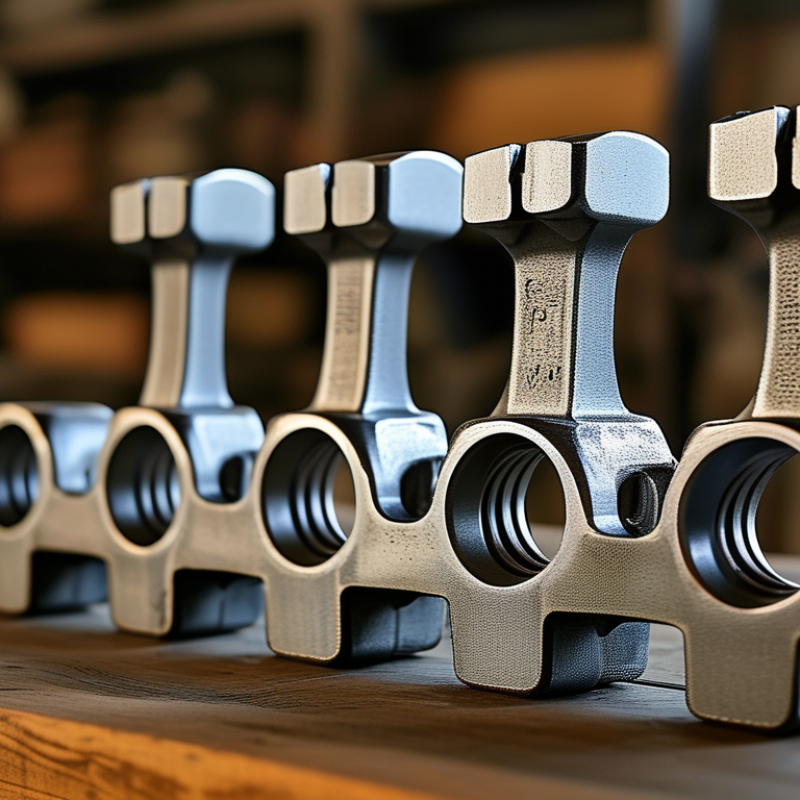
Connecting rods play a critical role in engine performance. They are essential components that connect the piston to the crankshaft. Their main function is to convert the linear motion of the pistons into rotational motion. This process is vital for the engine’s efficiency and power output. A well-designed connecting rod will withstand high stresses while maintaining proper alignment.
When choosing connecting rods, consider the material. Common materials include steel and aluminum. Each material has its advantages and weaknesses. Steel rods tend to be stronger and more durable. However, they also add weight to the engine. On the other hand, aluminum rods are lighter but may not handle high performance as well as steel.
Pay attention to the size and design of the rod. The length and shape affect performance and engine dynamics. A longer rod can lead to a smoother engine operation, but may increase stress on the crankshaft. Finding the right balance is necessary. Experienced mechanics often look for custom options, weighing both benefits and costs. Choose wisely to avoid unforeseen issues with vibration or stress.
When selecting a connecting rod, material choice is critical. The most common materials are steel and aluminum. Steel offers strength and durability, making it ideal for high-performance applications. It can withstand intense forces without bending or breaking. Aluminum, on the other hand, is lighter. This weight reduction can enhance engine performance by improving acceleration and reducing stress on other components.
However, using aluminum can lead to some downsides. It is generally less durable than steel. It might not handle extreme conditions as well. Furthermore, manufacturing quality varies significantly across suppliers. This inconsistency can affect engine performance and longevity.
Another consideration is the cost. Steel rods are typically more affordable, but their weight could impact fuel efficiency. Aluminum rods may seem expensive but can lead to performance benefits. It’s essential to weigh these options carefully. Each material presents both advantages and challenges that must be considered.
Choosing the right connecting rod is crucial for your engine’s performance. Several key factors come into play when making this decision. One important aspect is material composition. Connecting rods are typically made from steel or aluminum. Each material offers distinct advantages and disadvantages. Steel rods are often more robust but heavier. In contrast, aluminum rods are lighter, which can improve engine responsiveness but may sacrifice durability.
Another factor to consider is the intended use of the engine. If it is for high-performance applications, you may need a rod that can withstand higher stress levels. Look into the rod's strength-to-weight ratio. That balance can significantly affect performance. Additionally, the length and design of the connecting rod can influence the engine's overall dynamics. A longer rod can reduce side load, leading to smoother operation.
Tuning the connecting rod to match your engine's specifications can be tricky. It's essential to mesh with other components, like the crankshaft and pistons. Be mindful that not every connecting rod fits seamlessly into all engines. You may need to make adjustments for compatibility. Experimentation could reveal surprising insights about your setup.
When choosing connecting rods, understanding rod length is crucial. Shorter rods allow for higher engine RPMs. They reduce weight and inertia, enhancing acceleration. However, they can lead to increased side loading on piston skirts. This may result in premature wear. Reports show that a one-inch decrease in rod length can significantly impact the engine's geometry.
Longer rods provide better piston/rod geometry. They reduce angularity during the stroke, leading to smoother operation. This results in better combustion and efficiency. According to a study by the Society of Automotive Engineers, optimal rod lengths can improve horsepower by up to 10%. However, longer rods also increase engine height and complexity. This might necessitate additional modifications on certain engines.
Choosing the right length requires careful consideration. One must weigh performance benefits against the potential for increased wear and engine design challenges. Many enthusiasts overlook these factors. Each engine has unique characteristics that may benefit from different rod lengths. Effective testing and expert insights are essential for making the best decision. Understanding these dynamics can lead to improved engine performance.
When selecting a connecting rod for your engine, strength and durability are paramount. The connecting rod serves as a vital link between the piston and crankshaft. It must withstand high levels of stress without failing. Look for materials that offer a combination of high tensile strength and fatigue resistance. Forged steel is often preferred for its superior durability compared to cast options.
Pay attention to design features as well. A well-engineered rod can enhance engine performance. Many aftermarket options offer lightweight designs that improve response without sacrificing strength. However, excessively lightweight rods can compromise durability, leading to potential failures. Balancing weight and strength is crucial.
It's also essential to consider the engine's intended use. High-performance applications demand rods with greater strength and thermal stability. On the other hand, standard setups may not require such rigorous specifications. Assess your needs carefully. An overly robust rod might not yield the performance benefits you seek and can add unnecessary weight. The goal is to ensure reliability under real-world conditions while maintaining optimal performance.
: Connecting rods convert linear motion of pistons into rotational motion for engine efficiency and power.
Common materials include steel and aluminum. Each has its advantages and disadvantages for performance.
Steel rods are strong and durable, ideal for high-performance applications. They withstand intense forces well.
Aluminum rods are lighter but generally less durable. They may not handle extreme engine conditions effectively.
The rod's length and shape can influence engine dynamics. A longer rod may reduce side load for smoother operation.
Not all connecting rods fit every engine. Adjustments may be needed to ensure proper meshing with crankshafts and pistons.
Consider material choice, intended engine use, strength-to-weight ratio, and compatibility with other engine components.
Variability in manufacturing quality can impact performance and longevity. Poor quality rods might lead to unforeseen issues.
Yes, cost matters. Steel rods are usually affordable, while aluminum may seem pricey but can offer performance benefits.
Yes, experimentation can reveal surprising insights about engine setups and the dynamics of different components.
Choosing the right connecting rod is crucial for enhancing engine performance. Connecting rods play a vital role in the engine's operation by transferring the force generated from the combustion process to the crankshaft. Understanding the materials used in their manufacturing, such as aluminum, steel, and titanium, can help in selecting a rod that offers the right balance of weight, strength, and cost.
When evaluating connecting rods, key factors to consider include the rod length, which significantly impacts the engine's dynamics, and strength and durability, which determine how well the rod can withstand the high stresses of operation. By carefully assessing these elements, one can select a connecting rod that not only meets the performance needs of the engine but also ensures longevity and reliability under demanding conditions.

VETOR GROUP