Brake disks are crucial components in automotive braking systems. They convert kinetic energy into thermal energy, ensuring vehicles stop safely. According to the National Highway Traffic Safety Administration, brake failures contribute to nearly 30% of all vehicle accidents. This statistic highlights the importance of selecting the right brake disk.
Choosing the appropriate brake disk involves understanding various factors such as material composition, durability, and compatibility with your vehicle. Many manufacturers offer a range of options, from standard cast iron disks to advanced carbon-ceramic models. Each type has its pros and cons. For instance, while carbon-ceramic disks boast superior performance and weight efficiency, they may not be suitable for all budgets.
Vehicle owners often overlook the significance of brake disk maintenance. Regular inspection and timely replacement can prevent costly repairs and enhance safety. However, some may hesitate to invest in quality parts, opting for cheaper alternatives. This choice could lead to subpar performance, risking their safety on the road. Making informed decisions about brake disks is essential for achieving optimal braking efficiency and vehicle reliability.
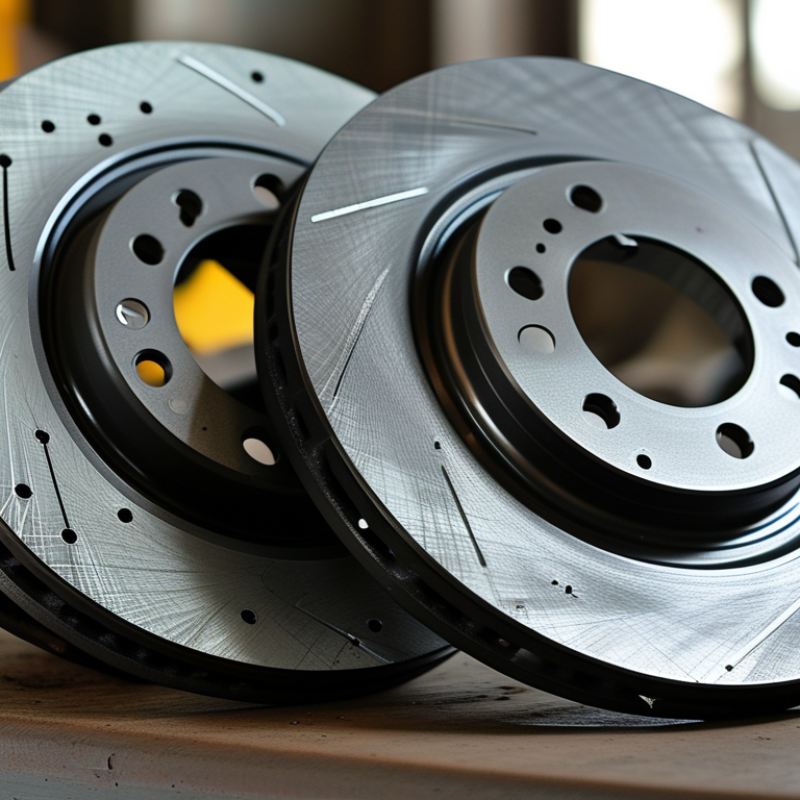
A brake disk, also known as a brake rotor, is crucial for vehicle safety. It plays a significant role in how efficiently your car stops. When you press the brake pedal, the calipers squeeze the brake pads against the disk, creating friction. This process converts kinetic energy into thermal energy, leading to a decrease in speed or a complete stop. According to a report by the National Highway Traffic Safety Administration (NHTSA), proper brake maintenance can reduce the risk of accidents significantly.
Understanding the function of brake disks is essential for vehicle owners. They come in various materials such as cast iron, carbon composite, and carbon ceramic. Each type has its benefits, catering to different driving conditions and styles. For instance, cast iron disks are favored for their cost-effectiveness and durability. In contrast, carbon ceramic disks are lightweight and offer superior performance under extreme conditions but come at a higher price. Research from the Society of Automotive Engineers (SAE) indicates that selecting the right brake disk can influence stopping distances by up to 20%. This data underscores the importance of educated decision-making in brake system parts selection.
Vehicle maintenance often overlooks the condition of brake disks. Signs of wear include warping, cracking, or an unusual sound during braking. A study from the Automotive Aftermarket Industry Association (AAIA) shows that 30% of drivers neglect regular brake inspections. This neglect can lead to more significant problems down the line. It's essential to evaluate your driving habits and ensure that the chosen brake disk meets your daily needs. Regularly revisiting your choices can enhance both performance and safety.
This chart illustrates the performance metrics of different types of brake disks based on their heat dissipation, weight, and durability ratings. Choosing the right brake disk can significantly impact vehicle safety and performance.
When it comes to brake disks, understanding their types is essential. Solid brake disks are the simplest. They consist of a single piece of material. These disks are sturdy and affordable, suitable for everyday driving. However, they may overheat during heavy braking, affecting performance.
Vented brake disks have hollow sections. These sections improve airflow, allowing for better heat dissipation. This feature significantly enhances braking performance, particularly in high-stress situations. Many performance vehicles use vented disks because they provide consistent stopping power.
Slotted brake disks have grooves cut into their surface. These slots help channel away dust and moisture. As a result, they maintain traction even in adverse conditions. Additionally, they reduce brake fade, making them ideal for racing or heavy-duty applications. However, they can wear brake pads more quickly. Choosing the right type depends on your driving style and needs.
Choosing the right brake disk is crucial for your vehicle's performance. Several factors play a significant role in making this decision. One essential consideration is the type of driving you do. For instance, frequent city driving may require different specifications than highway cruising. You might notice subtle differences in braking effectiveness depending on your driving habits.
Material also influences brake disk performance. Common materials include cast iron and carbon composites. Each has unique advantages and disadvantages. Cast iron is durable but heavy, while carbon composites are lighter but can be more expensive. Be aware of the trade-offs when choosing between these materials. Pay attention to your vehicle’s specifications too.
Another factor is heat dissipation. Brake disks generate heat during use, affecting their longevity. Selecting disks with better ventilation can enhance performance and extend their lifespan. Remember, even the best disks may become less effective over time. Regular inspections are necessary to ensure your brake system remains reliable.
When choosing a brake disk, material is paramount. Among the most common materials are steel, carbon, and ceramic. Each material offers unique benefits and drawbacks, making it essential to consider your driving style and vehicle type.
Steel is often the go-to choice for many vehicles. It provides excellent durability and cost-effectiveness. According to industry reports, steel brake disks account for around 60% of the market due to their reliability. However, they can be prone to heat fade under extreme conditions. This limits their performance during intense driving, especially on racetracks.
Carbon and ceramic brake disks boast outstanding heat resistance. They excel in high-performance scenarios. A report from a leading automotive research firm indicates that these materials can withstand temperatures above 1,000 degrees Celsius. However, they often come with a hefty price tag and require specific conditions for optimal performance. Not every driver may need this level of technology. Thus, it can lead to unnecessary expenses.
Selecting the right brake disk means weighing these material options carefully. You must consider your regular use, driving conditions, and budget constraints. Making an informed choice can ensure better safety and performance.
Brake disks play a crucial role in vehicle safety. Over time, they wear out. Recognizing the signs of worn brake disks can prevent accidents. A common sign is vibrations when braking. If your steering wheel shakes, it might signal an issue. Listen for squeaking or grinding noises when stopping. These sounds indicate that your brake pads may have worn down too far.
Another warning sign is reduced braking performance. If you notice longer stopping distances, take action. This might mean your brake disks are too thin or damaged. Additionally, check for visible cracks or warping on the disk surface. Uneven wear can lead to decreased safety.
Many drivers ignore these signs. They might think it’s not urgent. However, delaying replacement can lead to more extensive damage. It’s wise to inspect your brake disks regularly. Replace them if they show severe wear. A simple check can save time and money. Prioritize your safety on the road.
| Aspect | Description | Signs of Wear | Replacement Recommendations |
|---|---|---|---|
| Material | Common materials include cast iron, carbon ceramic, and stainless steel. | Cracks, warping, or excessive rust. | Replace if there are visible cracks or severe rust. |
| Thickness | Brake disks have a minimum thickness specification. | Thickness below the manufacturer’s specification. | Replace if measurements fall below the specified limit. |
| Ventilation | Ventilated disks help cool the brakes more effectively. | Overheating during normal use. | Consider upgrading to ventilated disks if overheating is frequent. |
| Type | Options include solid, slotted, and drilled disks. | Reducing braking efficiency, especially in wet conditions. | Replace to improve braking performance if efficiency decreases. |
| Cost | Prices vary based on material and type. | Noticeable grinding noise during braking. | Don’t wait; replace immediately to avoid further damage. |
: A brake disk is essential for vehicle safety. It helps stop your car by converting kinetic energy into heat.
When you press the brake pedal, calipers squeeze brake pads against the disk, creating friction to slow down the vehicle.
Brake disks can be made from cast iron, carbon composite, or carbon ceramic. Each material has its own pros and cons.
Your driving style matters. Frequent city driving may need different brake specifications than highway cruising, influencing disk choice.
Signs include vibrations, squeaking, grinding noises, and longer stopping distances. These indicate potential issues that need attention.
Regular inspections help catch wear early. Ignoring signs can lead to serious safety issues and increased repair costs.
Choosing disks with better ventilation helps with heat dissipation. This way, you can enhance performance and extend their lifespan.
If you see cracks or warping, it’s wise to replace the disk. Delaying replacement can lead to more significant vehicle issues.
It’s recommended to check them regularly. Aim for at least twice a year or sooner if you notice unusual performance or sounds.
Yes, selecting the right brake disk can influence stopping distances by up to 20%. Make informed choices based on good research.
A brake disk, a crucial component in vehicle braking systems, plays an essential role in ensuring safety and performance. Understanding its function helps drivers appreciate its importance, as it is responsible for dissipating heat generated during braking. There are several types of brake disks, including solid, vented, and slotted disks, each catering to specific performance needs. When choosing the right brake disk, factors such as vehicle type, driving conditions, and expected performance must be considered, alongside material options like steel, carbon, and ceramic.
Regular maintenance is vital, as worn brake disks can compromise vehicle safety. Signs of wear include vibrations during braking, unusual noises, and decreased stopping power, indicating it's time for replacement. By selecting the correct brake disk and monitoring its condition, drivers can enhance their vehicle's braking efficiency and prolong its lifespan.
VETOR GROUP