Choosing the right Motorcycle Filter supplier in 2026 requires more than comparing unit prices. Global buyers must examine filtration efficiency, material quality, production consistency, and after-sales support. A filter may look identical on a sample bench. Its performance can change under dust, rain, heat, and long-distance vibration.
Filtration engineer Dr. Sarah Mitchell explains, “A reliable filter protects performance before it protects appearance.” Her observation reflects a practical truth. Air filters, oil filters, and fuel filters face different operating pressures. Cotton, foam, paper, and synthetic media also behave differently. Buyers should request test data, batch records, inspection reports, and clear replacement specifications. Certifications can help, but they should not replace independent verification. Paperwork is not performance.
This guide reviews the 2026 Best Motorcycle Filter Suppliers for Global Buyers through a commercial and technical lens. It considers manufacturing capacity, private-label services, export experience, product range, quality control, and communication speed. Real purchasing decisions often depend on small details. Can the supplier maintain the same pleat spacing across thousands of units? Can packaging prevent moisture damage during sea transport? Can engineers answer a fitment question without delay?
No supplier is perfect. Even experienced manufacturers may face material shortages, shipping delays, or inconsistent regional data. That uncertainty deserves attention. Buyers should compare samples against actual riding conditions, not attractive catalogs alone. A dusty trail, crowded city road, and high-speed highway demand different protection. The best Motorcycle Filter partner is therefore not simply the cheapest option. It is the supplier that delivers measurable protection, stable quality, and dependable cooperation over time.
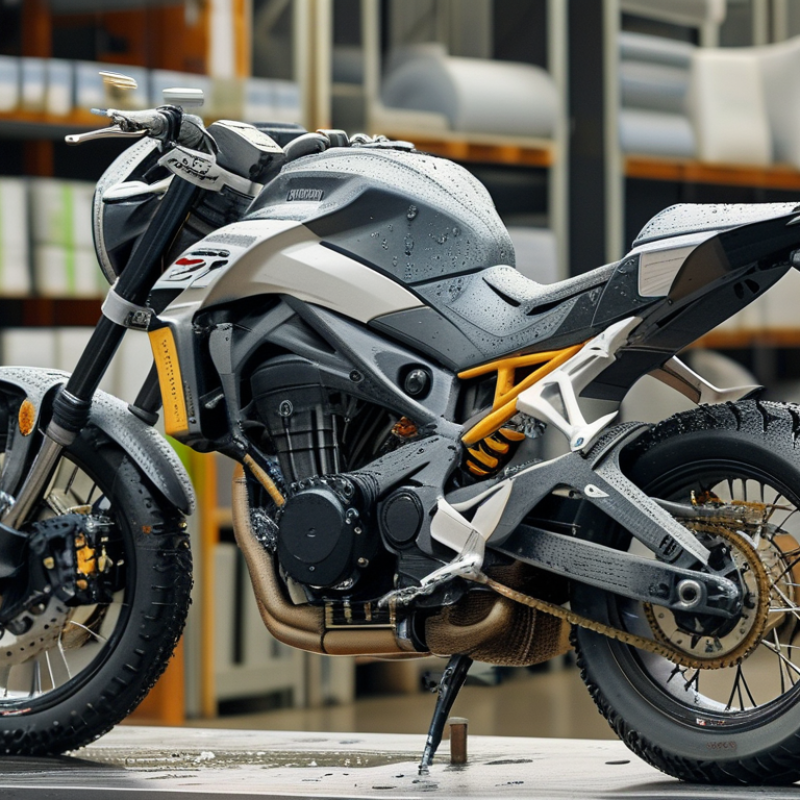
In 2026, motorcycle filters are becoming more specialized as engines run hotter and riders expect longer service intervals. Each filter protects a different system, so global buyers should compare function before price. Oil filters remove metal particles, carbon, and clutch debris from circulating lubricant. A reliable design must maintain steady flow during cold starts. Fitment still matters.
Air filters protect the engine from dust, sand, and moisture entering through the intake. Paper elements offer consistent filtration, while foam elements can suit dusty riding when cleaned correctly. Fuel filters trap rust and sediment before they reach injectors or carburetor passages. In workshop inspections, a blocked filter often appears as weak acceleration, hard starting, or uneven idle. Small parts, serious effects.
Transmission and hydraulic filters also deserve attention on motorcycles with integrated systems. Buyers should check dimensions, sealing rings, pressure ratings, media material, and documented testing. Batch traceability and clear installation guidance make supplier evaluation more dependable. A finer filter is not automatically better; excessive restriction can reduce flow and create new problems. I have seen buyers focus on micron claims while ignoring bypass-valve behavior. That choice needs more careful review. Suppliers serving international markets should provide stable specifications, protective packaging, and compatibility data for different climates. A filter may perform well in a clean workshop yet struggle on a wet, dusty road. Conditions change. Testing should reflect that.
| Filter Type | Primary Role | Common Filter Media | Typical Contaminants Removed | Typical Service Guidance | Important Quality Indicators | Global Buyer Suitability |
|---|---|---|---|---|---|---|
| Engine Oil Filter | Protects bearings, gears, piston components, and other lubricated engine parts from abrasive particles. | Cellulose, synthetic fiber, or blended pleated filter media. | Metal wear debris, carbon deposits, dust, gasket particles, and degraded oil residues. | Usually replaced at the engine-oil service interval specified for the motorcycle; severe use may require shorter intervals. | Filtration efficiency, dirt-holding capacity, burst strength, anti-drainback performance, bypass-valve operation, and seal quality. | High-volume replacement markets, private-label programs, repair networks, and mixed motorcycle applications. |
| Engine Air Filter | Prevents airborne particles from entering the intake system and combustion chamber. | Oiled or dry paper, nonwoven synthetic media, foam, or multilayer media. | Road dust, sand, pollen, insects, and other airborne particles. | Inspect regularly and replace or clean according to dust exposure, road conditions, and the vehicle service schedule. | Particle capture, airflow resistance, dust-holding capacity, pleat consistency, dimensional accuracy, and sealing around the airbox. | Suitable for commuter motorcycles, touring models, off-road vehicles, and high-dust operating environments. |
| Fuel Filter | Stops particles and, in some designs, separates water before fuel reaches the carburetor or fuel-injection system. | Synthetic or cellulose media, often enclosed in plastic, aluminum, or steel housings. | Rust, tank sediment, dust, manufacturing debris, and limited water contamination depending on design. | Replace when specified by the vehicle schedule or when restricted fuel flow, hard starting, or poor acceleration is observed. | Flow rate, pressure resistance, connection security, fuel compatibility, leak resistance, and correct inlet/outlet orientation. | Useful for markets with variable fuel cleanliness, long distribution chains, and broad motorcycle model coverage. |
| Crankcase Breather Filter | Controls oil mist and prevents dust from entering the crankcase ventilation path. | Open-cell foam, nonwoven synthetic material, or compact separator media. | Oil mist, dust, moisture, and ventilation-system residue. | Inspect during routine maintenance; clean or replace when saturated, damaged, or airflow is restricted. | Air permeability, oil resistance, temperature resistance, dimensional stability, and secure mounting. | Appropriate for specialty replacement programs, performance applications, and selected utility motorcycles. |
| Hydraulic or Suspension Filter | Protects hydraulic components in motorcycles equipped with serviceable filtration in suspension or auxiliary systems. | Fine synthetic or cellulose media supported by a perforated tube or mesh. | Metal particles, seal material, dirt, and hydraulic-fluid degradation products. | Service interval depends on the specific hydraulic system, fluid condition, and manufacturer maintenance procedure. | Pressure rating, collapse resistance, media compatibility, bypass behavior, and dimensional fit. | Best for specialist distributors and technical buyers requiring application-specific replacement parts. |
| Evaluation Dimension | What Global Buyers Should Check | Preferred Evidence | Why It Matters in 2026 | Recommended Purchasing Approach |
|---|---|---|---|---|
| Application Coverage | Coverage of commuter, touring, sport, off-road, scooter, and utility motorcycle applications. | Validated application catalog, dimensional drawings, and cross-reference documentation without relying only on vehicle names. | Broad coverage reduces inventory gaps and simplifies sourcing for multi-market distributors. | Request samples across several dimensions and verify fit before placing a large order. |
| Quality Management | Documented inspection procedures, batch traceability, incoming-material control, and final testing. | Current quality certificates, inspection records, corrective-action reports, and retention samples. | Consistent quality is essential when products are sold under different regional requirements. | Use pre-shipment inspections and define measurable acceptance criteria in the purchase agreement. |
| Material and Media Control | Media type, adhesive performance, sealing material, housing material, and compatibility with oil or fuel. | Material specifications, compatibility test results, and controlled change-management records. | Material selection affects filtration, pressure drop, durability, and service life. | Approve a golden sample and require written approval for material or tooling changes. |
| Production Flexibility | Ability to support standard products, private-label packaging, custom dimensions, and mixed purchase orders. | Clearly defined minimum order quantities, tooling terms, packaging options, and production capacity. | Flexible supply helps buyers manage fragmented demand and shorten product launch cycles. | Separate forecast orders from confirmed orders and confirm capacity before seasonal peaks. |
| Export and Compliance Support | Export documentation, packaging compliance, labeling capability, and support for destination-market requirements. | Packing lists, commercial invoices, product specifications, safety documentation where applicable, and labeling samples. | Accurate documents reduce customs delays and minimize relabeling or rework costs. | Confirm the required documents and carton markings before production begins. |
| Supply Continuity | Backup material sources, production capacity, inventory policy, and response to demand changes. | Business-continuity procedures, capacity statements, lead-time history, and safety-stock options. | Stable supply is increasingly important for global aftermarket distribution and online fulfillment. | Use rolling forecasts, dual sourcing for critical items, and agreed escalation procedures. |
| Packaging and Sustainability | Protection against moisture and deformation, recyclable packaging options, and optimized carton utilization. | Packaging test records, carton specifications, material declarations, and shipment photos. | Efficient packaging lowers damage, freight volume, and disposal requirements. | Approve packaging through a drop-test sample and measure damage rates after initial shipments. |
Note: Service intervals and performance requirements vary by motorcycle design, operating environment, filter construction, and local maintenance recommendations. Buyers should confirm application fit, test results, and destination-market requirements before commercial purchase.
Common types include oil, air, fuel, transmission, and hydraulic filters. Each protects a different system. Fitment still matters.
It captures metal particles, carbon, and clutch debris from circulating oil. It must maintain steady flow during cold starts.
It blocks dust, sand, and moisture from entering through the intake. Paper elements offer consistent filtration. Foam suits dusty riding when cleaned properly.
Weak acceleration, hard starting, and uneven idling can appear. Rust or sediment may restrict fuel flow. Small parts, serious effects.
No. Excessive restriction can reduce flow and create new problems. Buyers should review pressure loss and bypass-valve behavior, not micron claims alone.
Check length, outer diameter, sealing surface, thread pitch, and bypass-valve setting. Ask for drawings, tolerances, and product samples before ordering.
No. Certification supports quality control, but it does not prove motorcycle compatibility. Application data may still be incomplete. That distinction needs attention.
Request filtration efficiency, airflow, pressure drop, retention, and structural-strength results. Confirm the report matches the exact part. Percentages alone are weak evidence.
A filter may work in a clean workshop but struggle on wet, dusty roads. Testing should reflect heat, moisture, dust, and changing airflow.
They should receive stable specifications, protective packaging, traceable batches, and clear installation guidance. I would still question impressive claims without repeatability data.
This guide to the best Motorcycle Filter suppliers for global buyers in 2026 explains the main filter types, including oil, air, fuel, and cabin filters, and the essential role each plays in protecting motorcycle engines and maintaining reliable performance. It outlines how buyers can assess suppliers by examining filtration efficiency, material quality, production capacity, customization options, quality-control systems, and experience with international orders.
The article also highlights the importance of product compatibility, consistent dimensions, testing procedures, and recognized certifications that support safe and dependable use in different markets. In addition, it provides a practical framework for comparing prices beyond the unit cost, including minimum order quantities, packaging, shipping arrangements, delivery timelines, warranty policies, communication, and after-sales support. By considering these factors together, international buyers can select reliable Motorcycle Filter suppliers that offer a strong balance of quality, value, compliance, and long-term cooperation.

 VETOR GROUP